SYDNEY'S HEIGHT SAFETY SYSTEMS SPECIALIST

Safe access starts with a compliant safety system.

Design, installation, load testing and certification of height safety anchor systems for residential, strata and commercial buildings across Sydney.
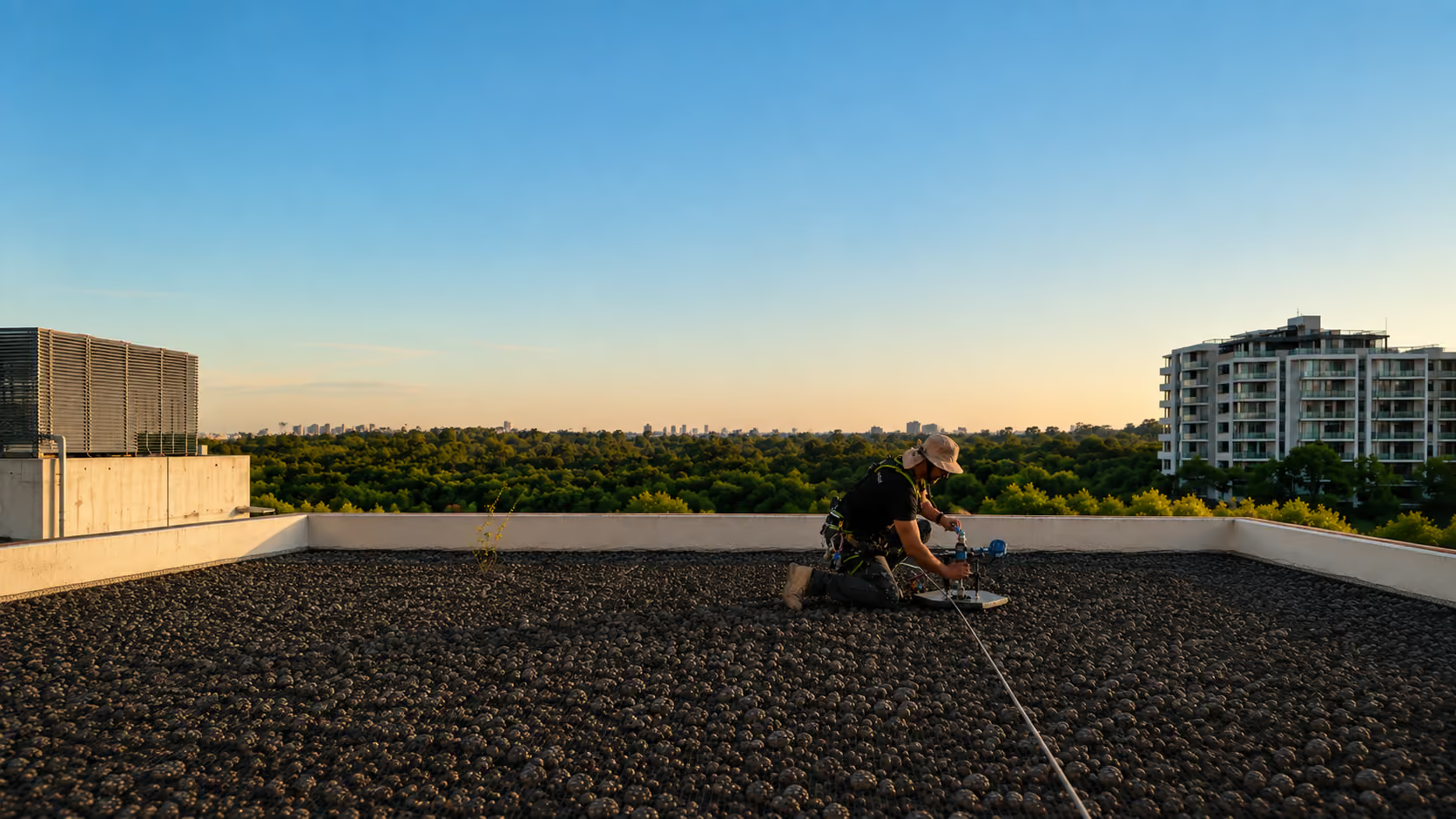
Harnessed technician kneeling on a gravel-ballasted rooftop testing the anchors at dusk
IRATA & SPRAT Qualified
Rope Access Certified
Fully Insured
Public & Workers Liability Covered
Detailed Reporting
Photos & Documentation
Quality Guaranteed
Workmanship Warranty
No-Obligation Quotes
Fast Turnaround

WHY HEIGHT SAFETY MATTERS

YOUR BUILDING CARRIES LIABILITY.

COMPLIANT SYSTEMS ELIMINATE THE RISK.

Every building that requires height access must have a certified anchor system. Understanding what's at stake helps you act before an incident forces your hand.
Figure falling from an unguarded edge
FALLS FROM HEIGHT

Falls from height remain the leading cause of workplace fatality in Australia. Without certified anchor points, any height access work carries unacceptable and uninsured risk.

Inspection checklist with crosses and warning shield
NON-COMPLIANT SYSTEMS
Old or uncertified anchors provide false confidence. A system that looks sound may fail under load at exactly the moment it is needed most.
Threaded anchor bolt set into substrate
CORROSION & DETERIORATION
Sydney's coastal and urban environment corrodes steel anchor components faster than expected. Without annual inspection, deterioration goes undetected until failure.
Checklist with ticks and scales-of-justice shield
LEGAL LIABILITY
Building owners are legally responsible for providing compliant fall protection for every person who works at height on their property — contractors, cleaners and maintenance workers included.
Certificate marked VOID over a shield
INSURANCE VOIDS
Non-compliant height safety systems void public liability and workers compensation cover in the event of an incident. The financial exposure is unlimited.
Dollar sign in a circle
DELAY = HIGHER COSTS
Emergency installation after a statutory notice or incident costs significantly more than planned compliant installation. Compliance is always cheaper before the event.

THE COST OF WAITING

A compliant height safety system costs
LESS THAN
1%
of the liability it protects against.
Green circle with a shield/checkmark inside
Compliant System
Legal. Protected. Operational.
Orange right arrow
Orange circle with a wrench inside
Statutory Notice
Work stopped. Liability exposed.
Orange right arrow
Red circle with a building inside
Incident or Claim
Unlimited legal and financial risk.

TYPES OF HEIGHT SAFETY SYSTEMS

ONE SIZE DOESN'T FIT ALL.

THE RIGHT SYSTEM FOR YOUR BUILDING.

Height safety systems are specified to match the substrate, access requirements and building type. Here's how the main system types differ and when each is used.
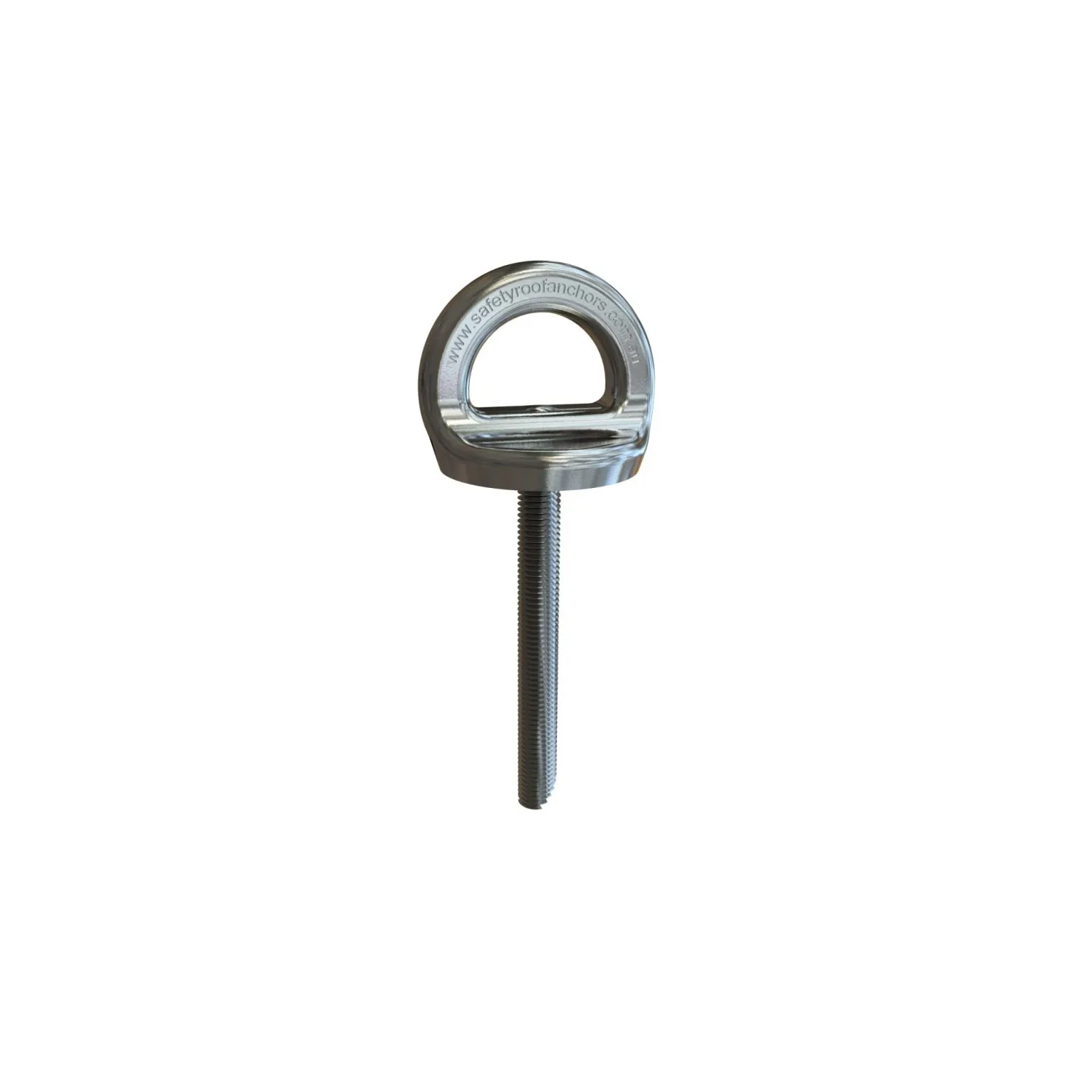
Stainless steel eye-bolt concrete anchor for chemset fixing, rated for fall arrest and abseil

CONCRETE ANCHORS

Permanent anchor points chemset into concrete slabs and structural elements. Rated for both fall arrest and abseil (rope access) work, they form the fixed connection point technicians tie off to for descending facades or working near edges. The right anchor depends on the roof or slab type — concrete, metal deck and timber all require different systems.
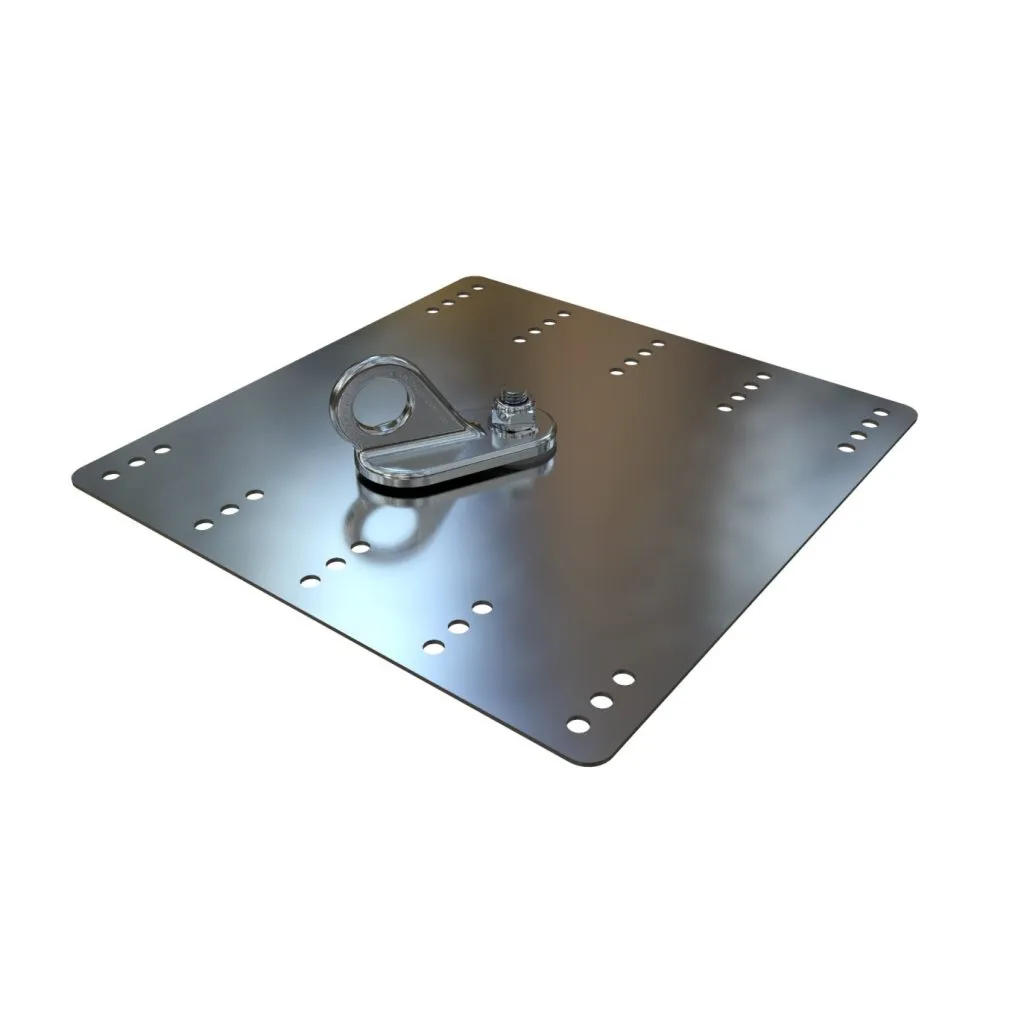
Surface-mounted metal roof anchor plate with D-ring for fall arrest and abseil access

METAL ANCHORS

Surface-mounted anchor points fixed to metal roofing and structural steel. Engineered for fall arrest restraint and abseil access, they're selected to suit the specific roof sheet profile and substrate. Anchor type varies with the building — there is no single anchor that suits every roof system.
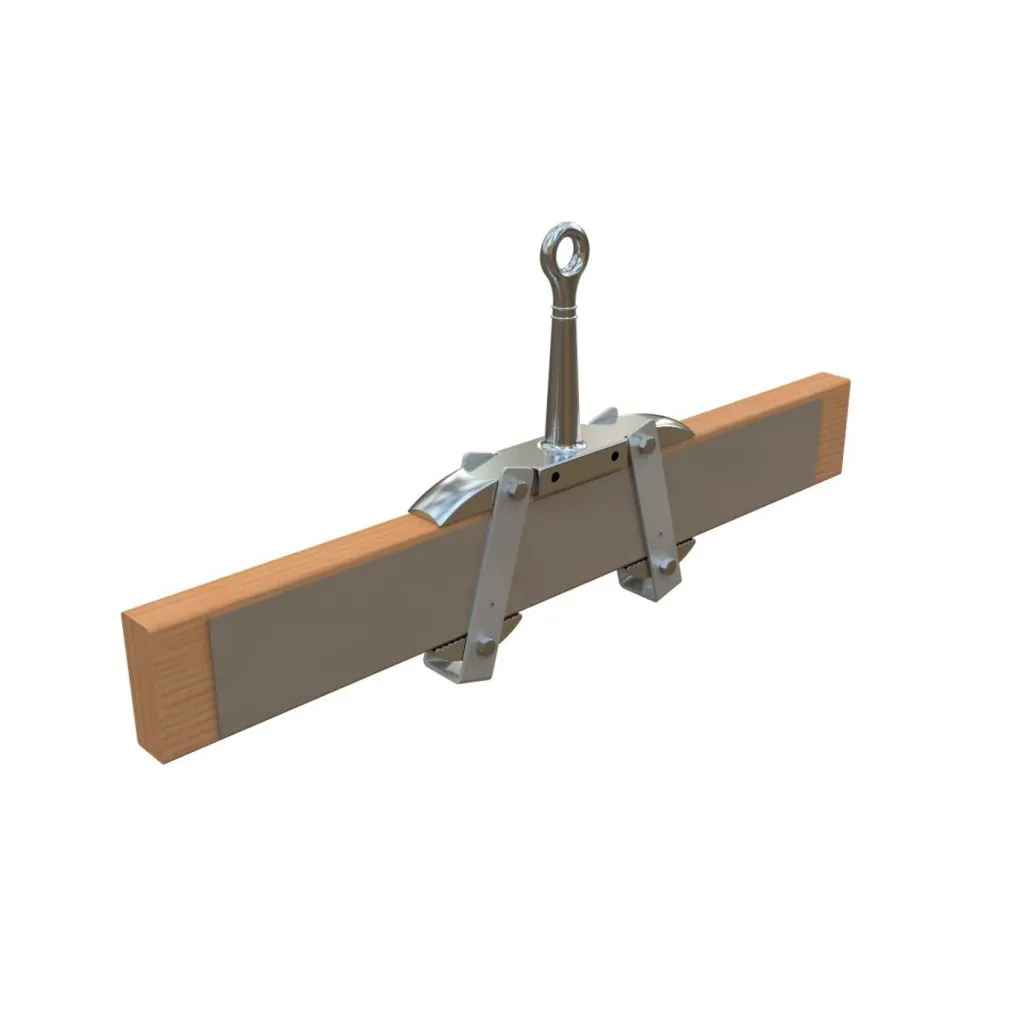
Stainless wood truss roof anchor clamped to structural timber for fall arrest and abseil

WOOD ANCHORS

Anchor points designed for timber-framed and timber truss roof structures, fixing directly to sound structural timber. Suitable for fall arrest and abseil work, they provide a certified tie-off point where concrete and metal-deck anchors aren't appropriate. As with all anchors, the correct type is specified to match the roof construction.
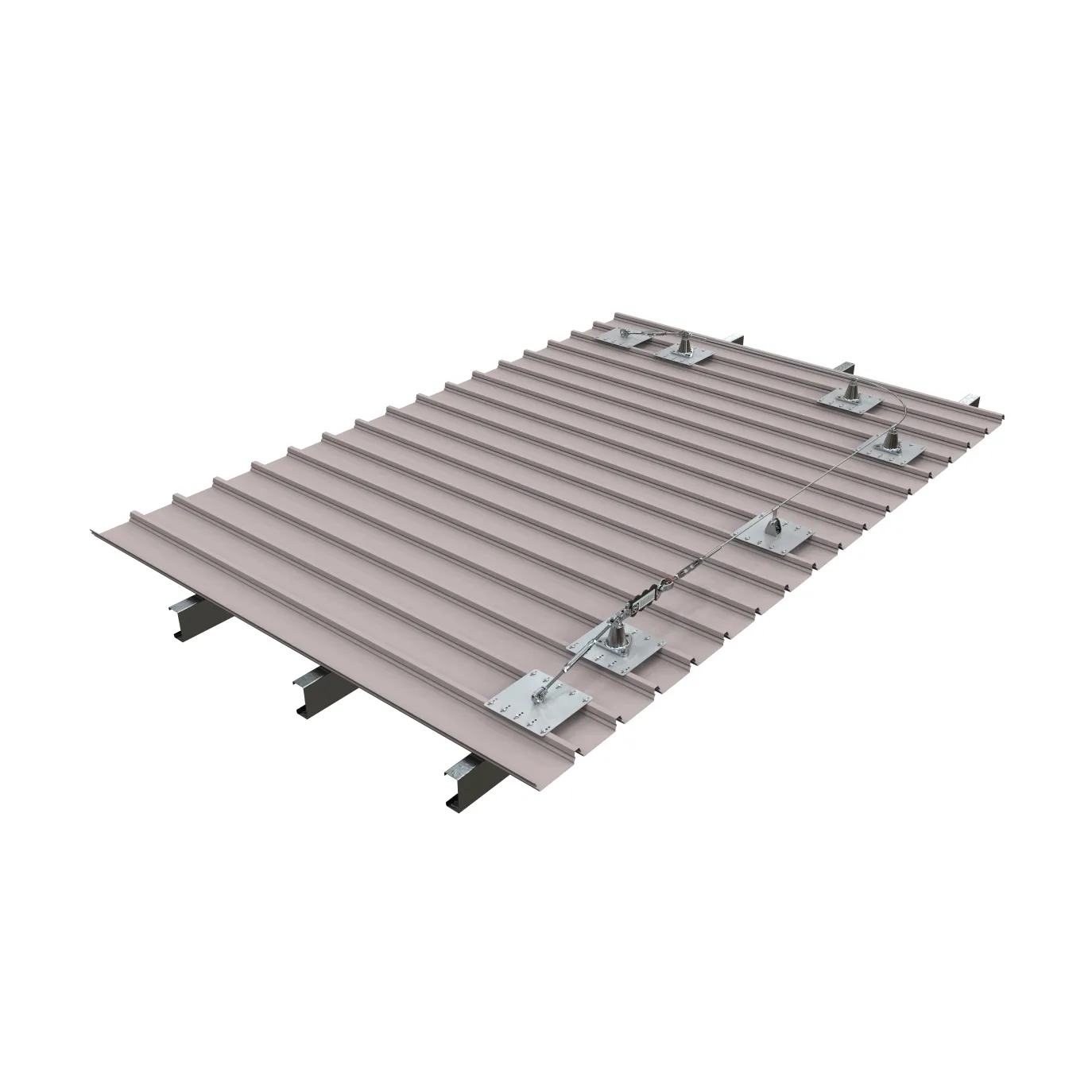
Horizontal static line system on a metal roof allowing continuous connected movement

STATIC LINES

Continuous horizontal cable systems — either a tensioned wire or rigid rail — that let a worker move along a roof or facade without disconnecting their safety line. Used for fall arrest wherever continuous movement is required across an area too large for individual anchor points.
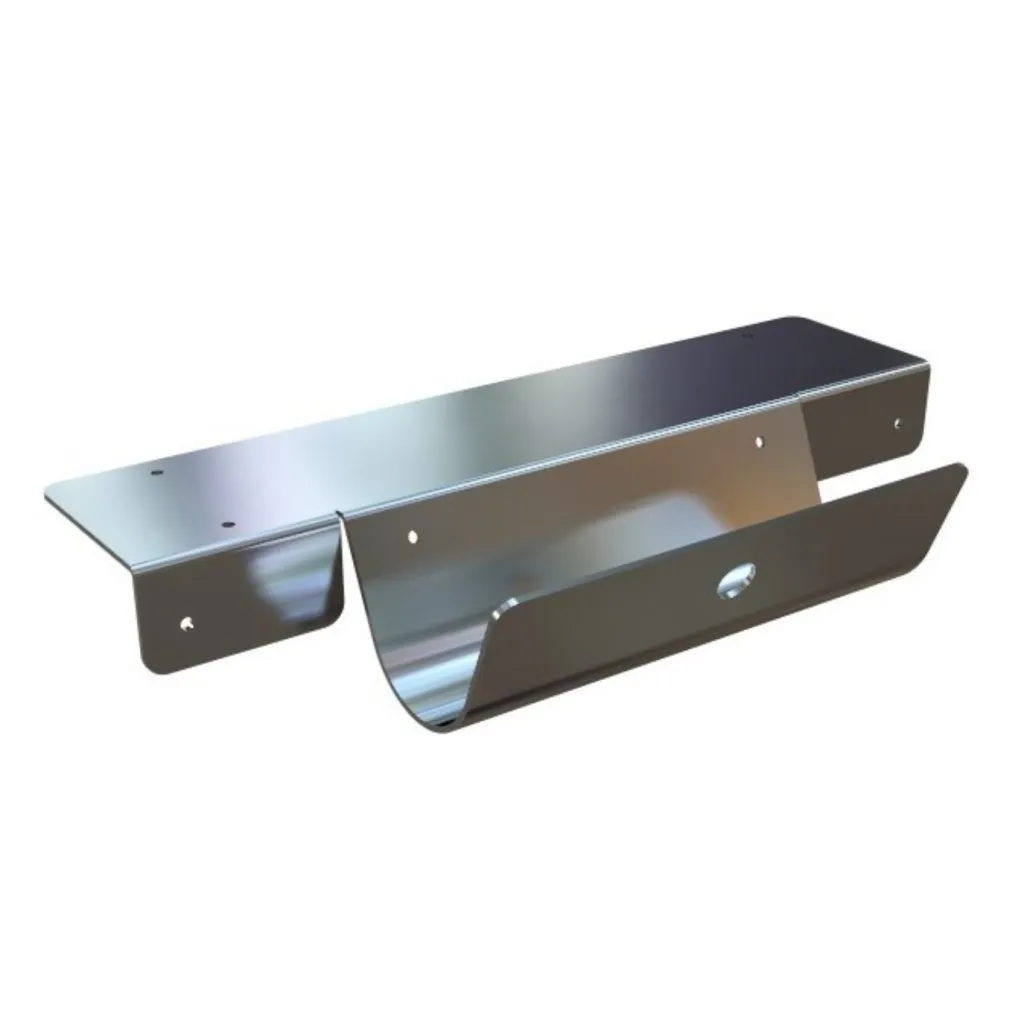
Galvanised ladder bracket for compliant fixed ladder and roof access points

LADDER BRACKETS

Permanently installed brackets that provide safe, compliant fixing points for access ladders and roof access. Required where regular roof entry is needed and fall risk must be managed through engineered access rather than personal protective equipment alone.


COMPLIANCE STANDARD: AS/NZS 4488 · AS/NZS 1891All systems are designed, installed and certified to Australian standards
· Annual inspection required by law · Load testing: every 5 years

WHERE DOES YOUR SYSTEM SIT?

Anchor compliance has clear legal obligations at every stage. Here's how to read where your building sits right now.
Red calendar with a ! inside

NON-COMPLIANT

Signs visible now
Red checkmark
No record of last inspection or load test
Red checkmark
Visible corrosion on anchor heads or plates
Red checkmark
Certification tags absent or expired
Red checkmark
Height work proceeding without verified compliance
GET A FREE ASSESSMENT
Orange calendar with a clock inside

REVIEW REQUIRED

Within service window
Orange checkmark
Last inspection over 12 months ago
Orange checkmark
Certificate expires within 6 months
Orange checkmark
New contractors about to undertake height work
Orange checkmark
Building changing maintenance providers
SCHEDULE INSPECTION
Green calendar with a checkmark inside

COMPLIANT

Recently completed
Green checkmark
Annual inspection completed and certified
Green checkmark
Load test within last 5 years
Green checkmark
Full compliance documentation on file
Green checkmark
All anchor locations mapped and recorded
PLAN NEXT CYCLE

TYPICAL HEIGHT SAFETY SERVICES:

Annual Visual Inspection: Required by law
Full Load Testing: Every 5 years
Recertification Review:Every 10 years
New Installation:As required
Post-Incident Assessment:Immediately
Indicative only. AS/NZS 4488 and AS/NZS 1891 govern inspection and testing requirements. Conditions and system type affect specific obligations.

OUR PROCESS. CLEAR STEPS. QUALITY EVERY TIME.

1
Inspect & Assess
Get a clear scope with no surprises.
white right arrowwhite down arrow
2
Design & Plan
You get an anchor layout plan covering all required work zones with compliant fall arrest coverage mapped.
white right arrowwhite down arrow
3
Access & Setup
Roof access established safely with no unnecessary disruption to building operations.
white right arrowwhite down arrow
4
Install & Fix
Anchors installed to specification. Chemset resin cured. Sika sealant applied. Base plates torqued to rating.
white right arrowwhite down arrow
5
Load Test & Certify
Every anchor load-tested to rating. Written certification issued with full documentation.
white right arrowwhite down arrow
6
Report & Handover
You receive certification documents, anchor layout plans and warranty information.

OUR WORK.
REAL
RESULTS.

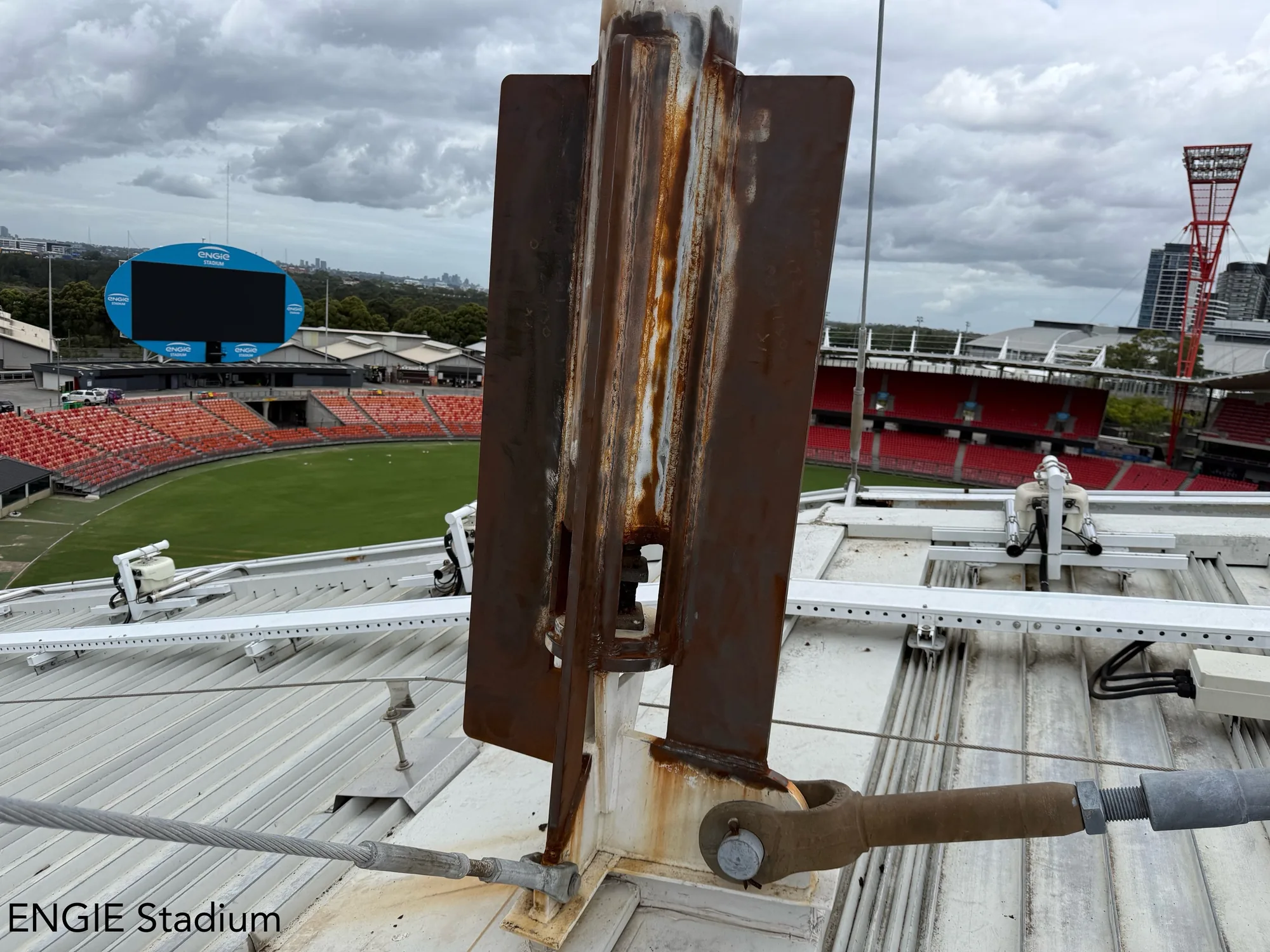
Corroded stadium roof steel mast base with heavy rust before rope-access remedial coating
Orange circle with white left and right arrows pointing away from each other in the center.
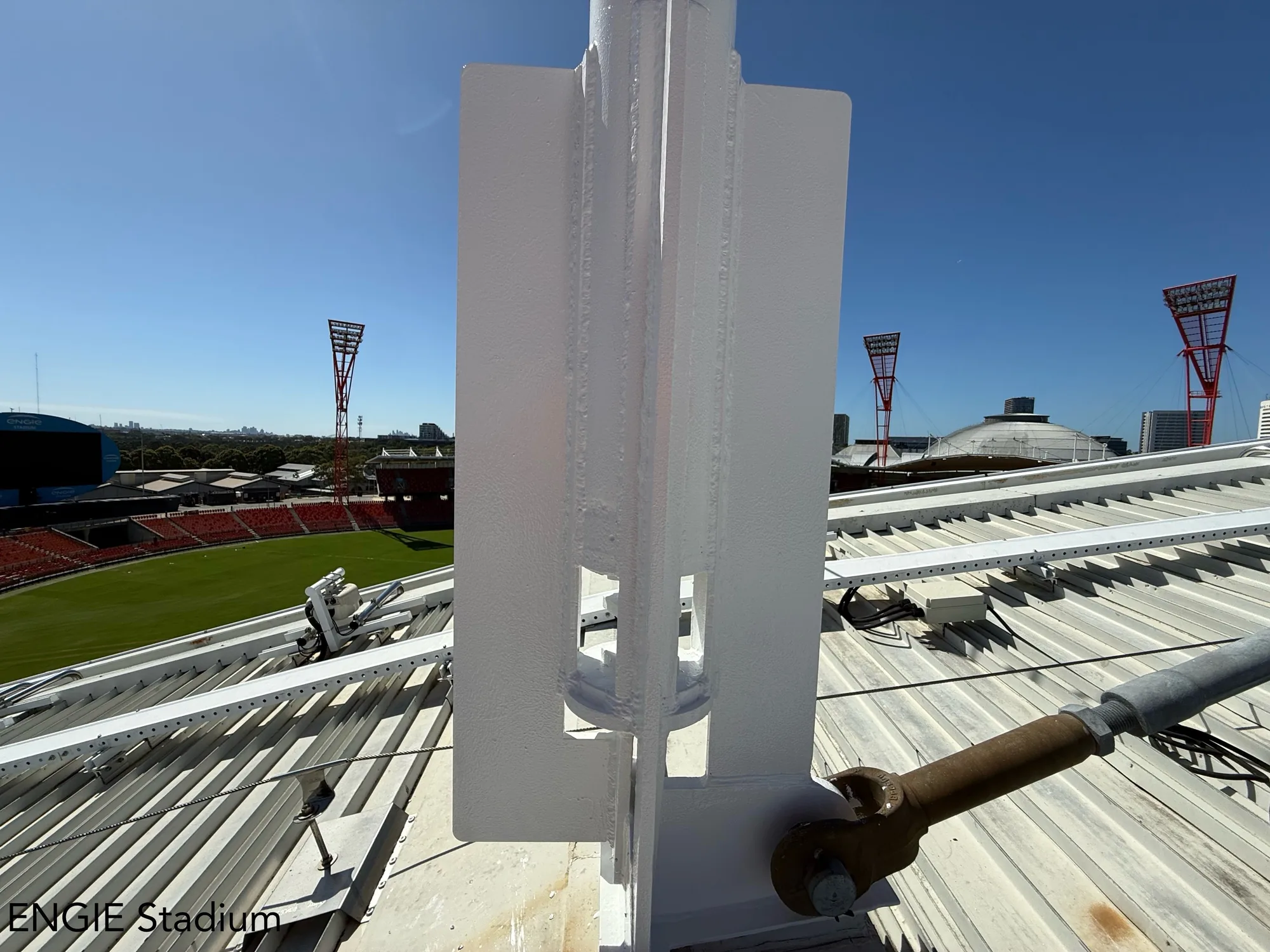
Rooftop steel mast base cleaned, primed and repainted after remedial protective coating
Heavily soiled render wall, failed expansion joints, and damaged render before restoration, Northern Beaches
Orange circle with white left and right arrows pointing away from each other in the center.
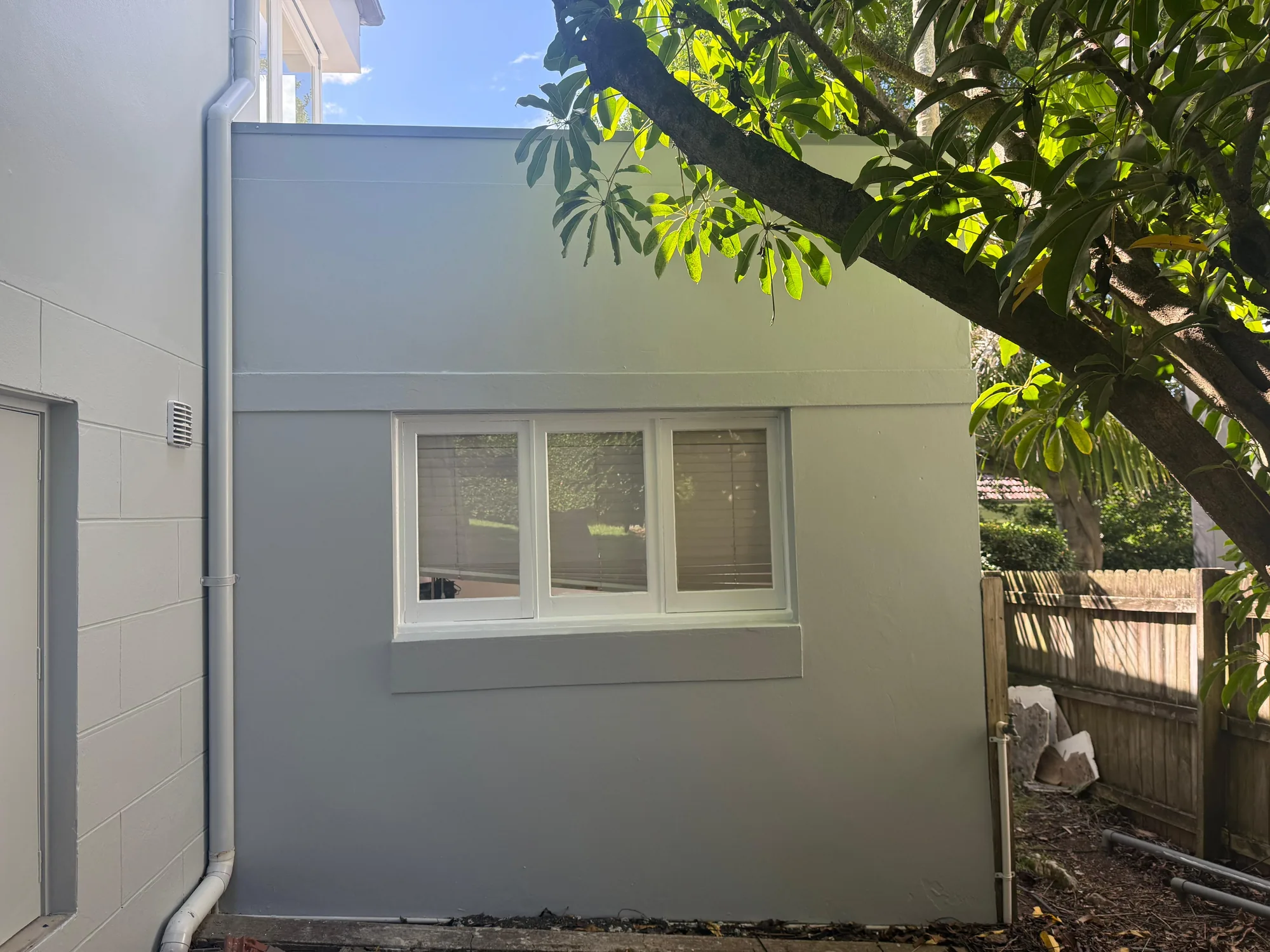
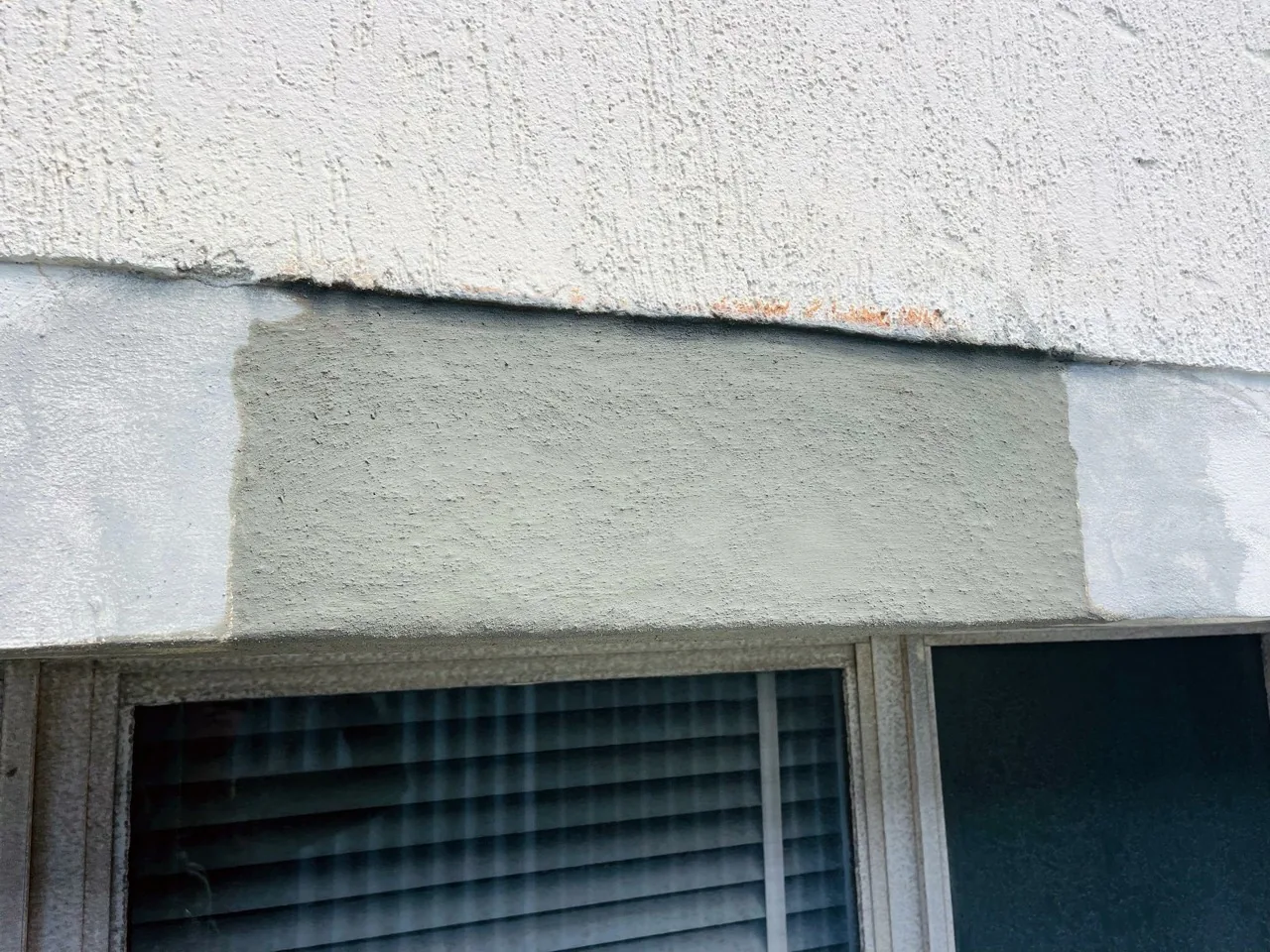
Rendered exterior wall and window reveal repaired and repainted pale grey after facade works, Sydney
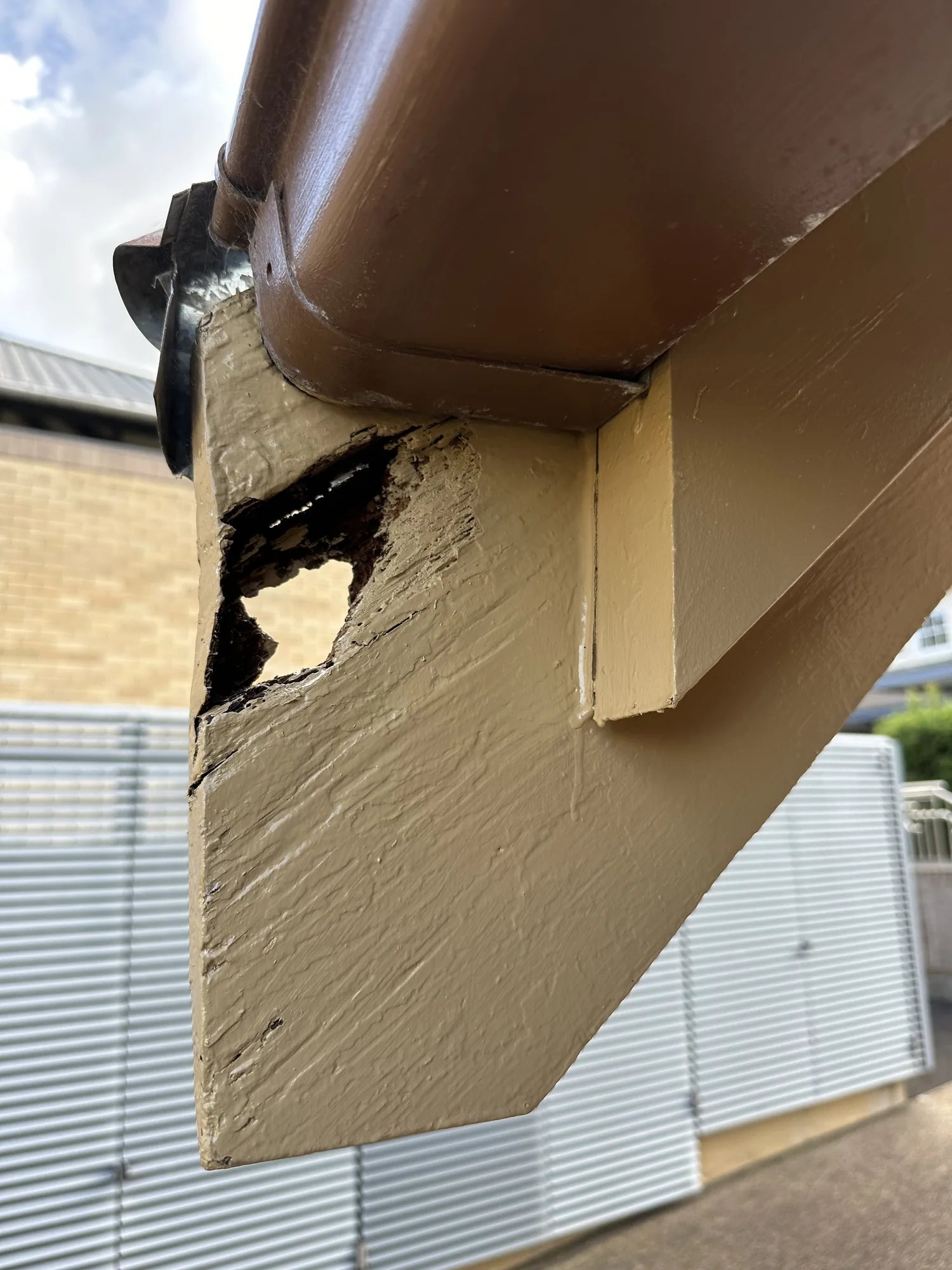
Timber fascia board with rot hole and failed paint before remedial repair
Orange circle with white left and right arrows pointing away from each other in the center.
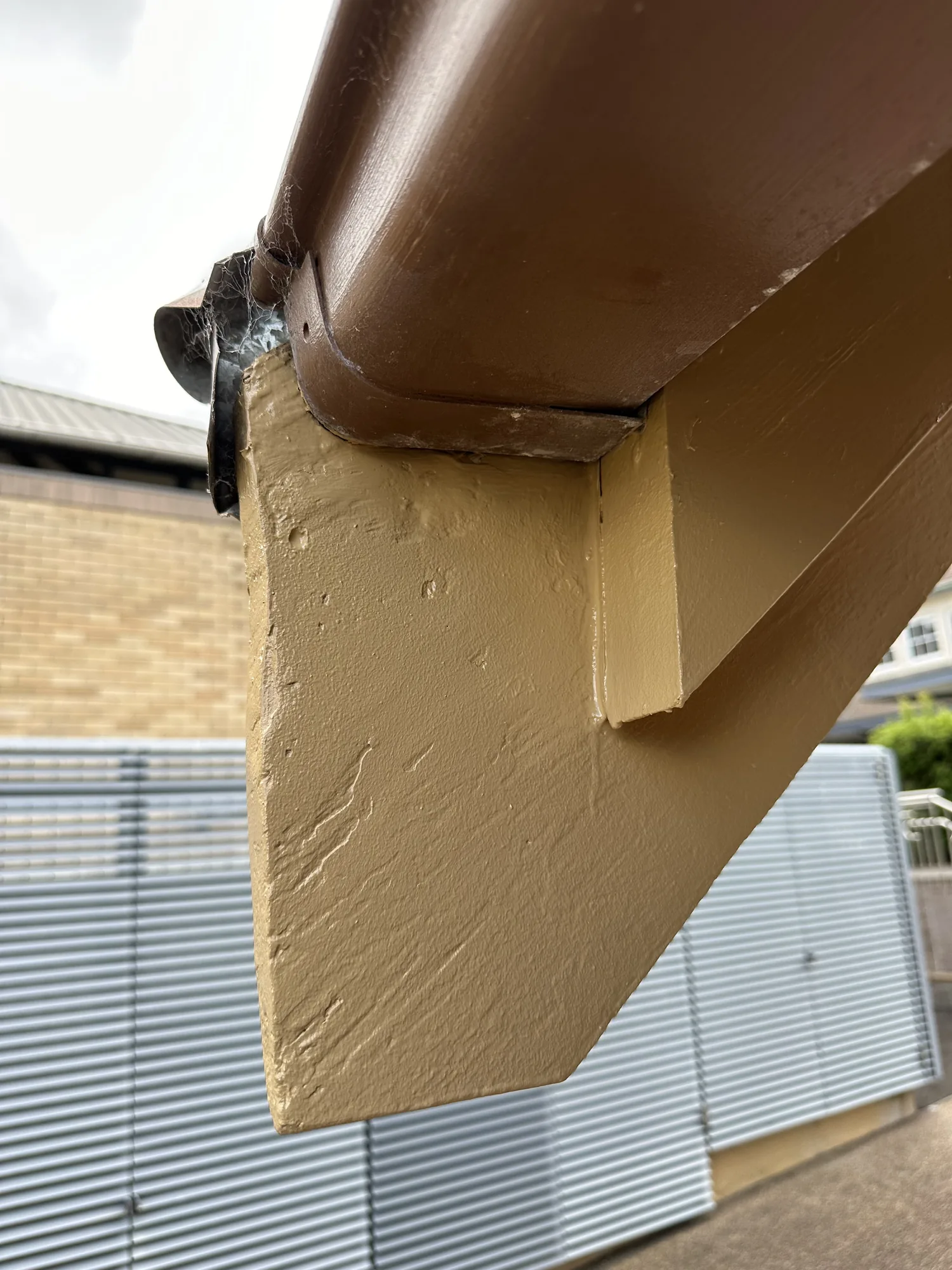
Timber fascia and barge board filled and repainted in tan after remedial carpentry
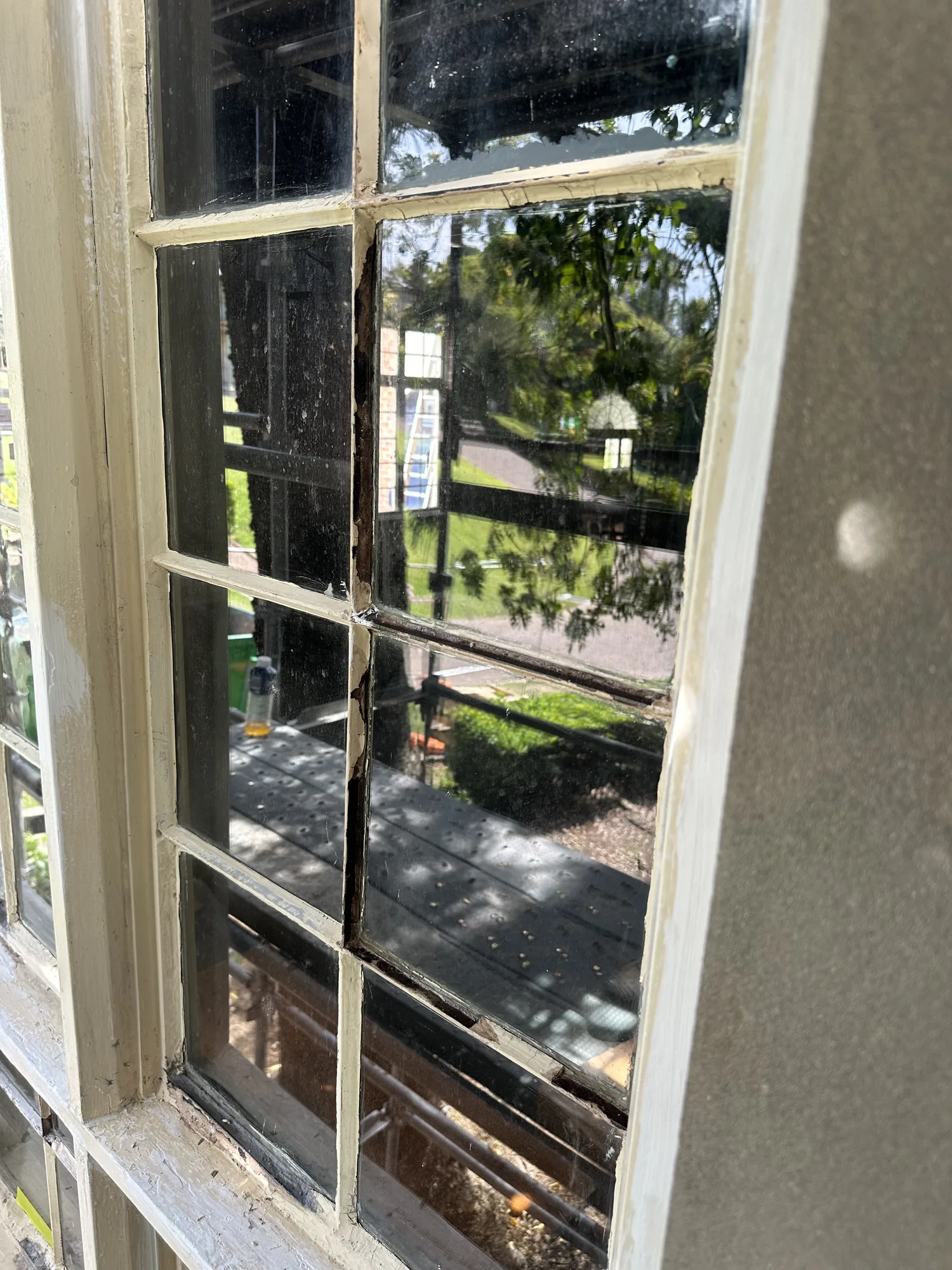
Cracked glazing on a heritage timber-framed multi-pane window before glazing repair and painting
Orange circle with white left and right arrows pointing away from each other in the center.
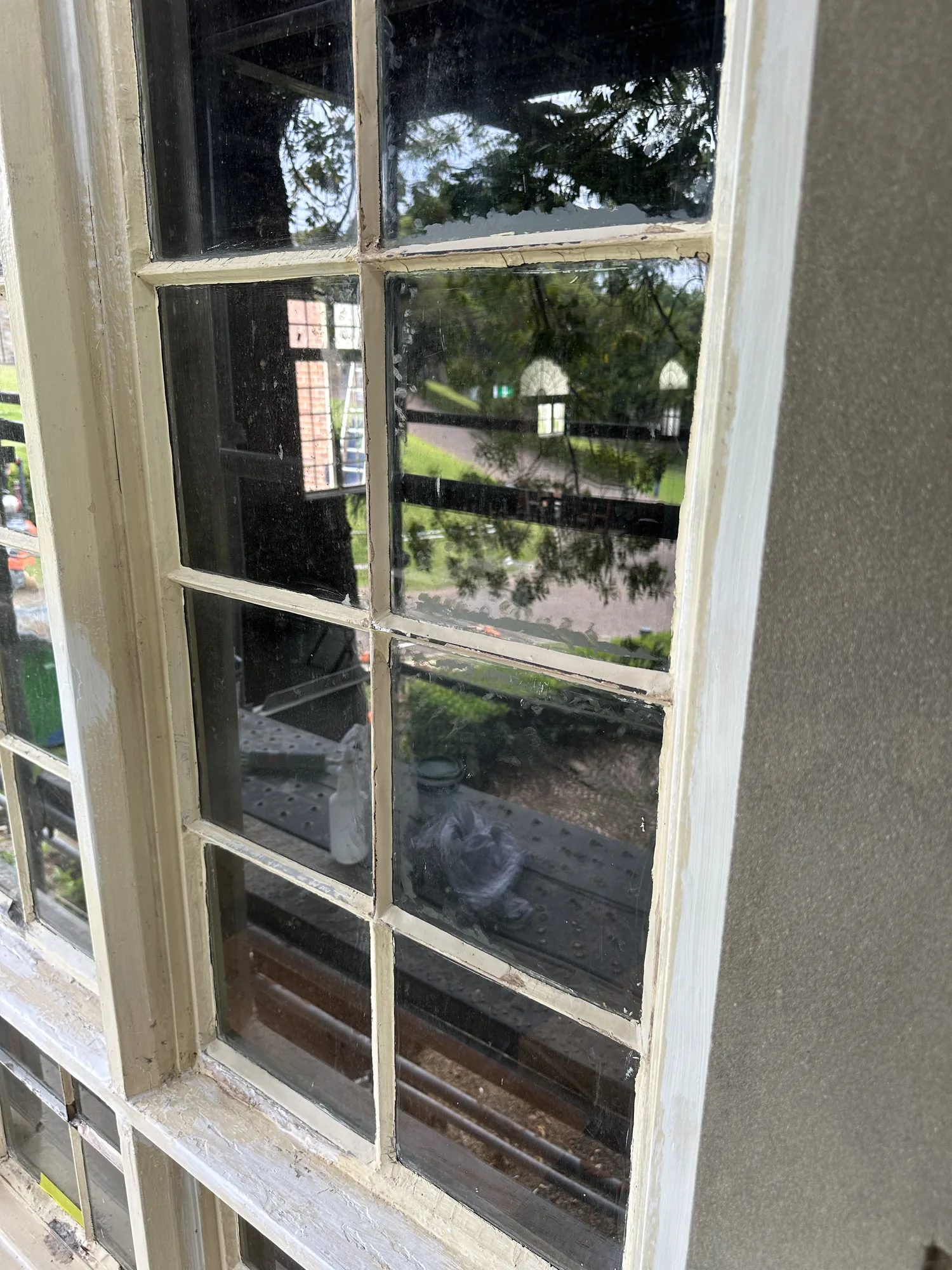
Heritage timber multi-pane window re-puttied and repainted after glazing repair
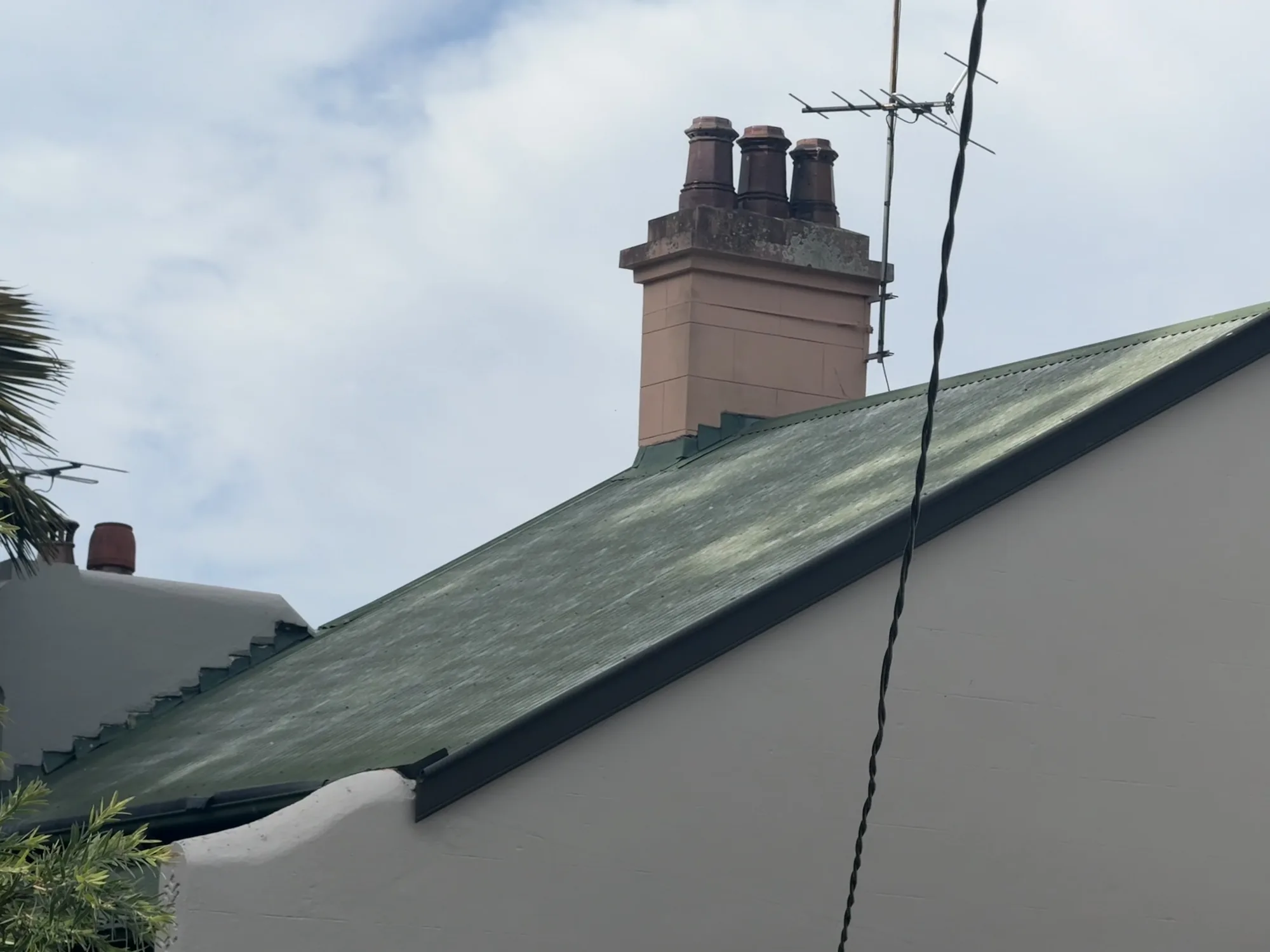
Green heritage corrugated metal roof before soft washing and painting, North Sydney
Orange circle with white left and right arrows pointing away from each other in the center.
Heritage terrace metal roof recoated charcoal with repainted rendered chimney, Sydney
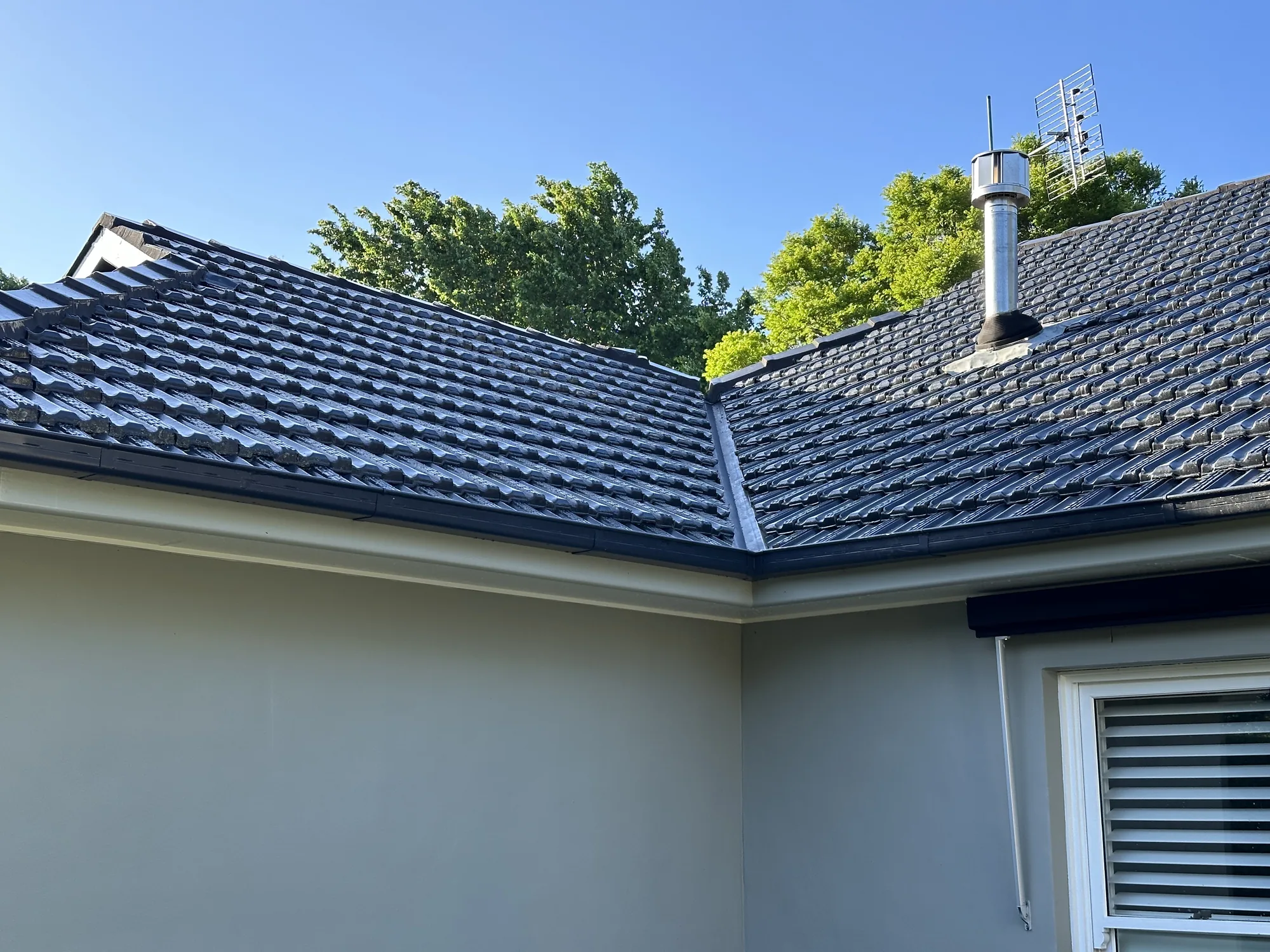
Terracotta tile roof with lichen and moss colonisation before pressure washing treatment, Sydney
Orange circle with white left and right arrows pointing away from each other in the center.
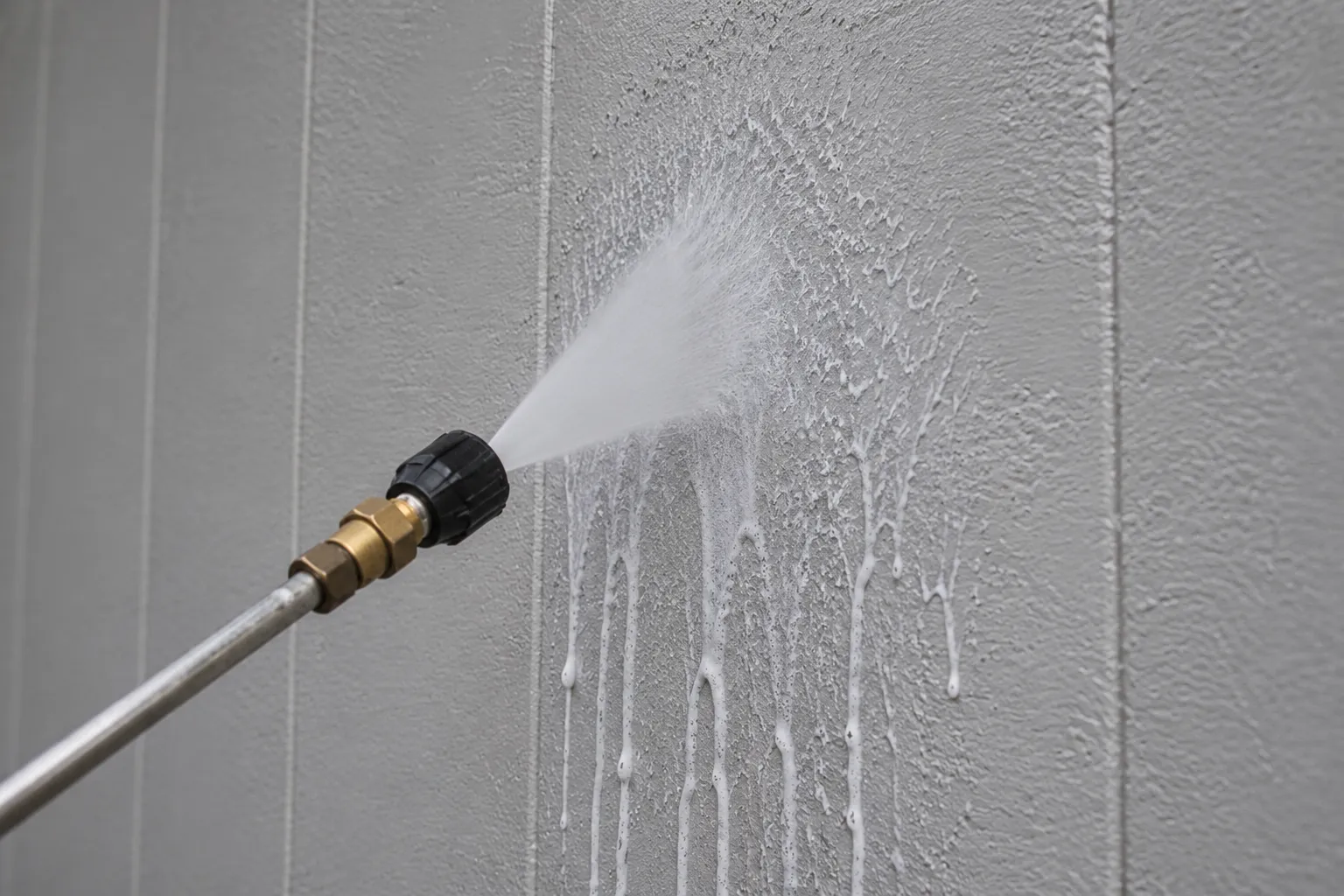
Terracotta tiled roof cleaned after pressure washing, extending the life of the roof, Sydney suburb
Technician on a roof-access ladder painting a tiled two-storey roof, Sydney suburb
Orange circle with white left and right arrows pointing away from each other in the center.
Street view of a technician painting a two-storey tiled roof via ladder access, Sydney
Two-storey home in faded tan render before exterior repaint, Eastern Suburbs
Orange circle with white left and right arrows pointing away from each other in the center.
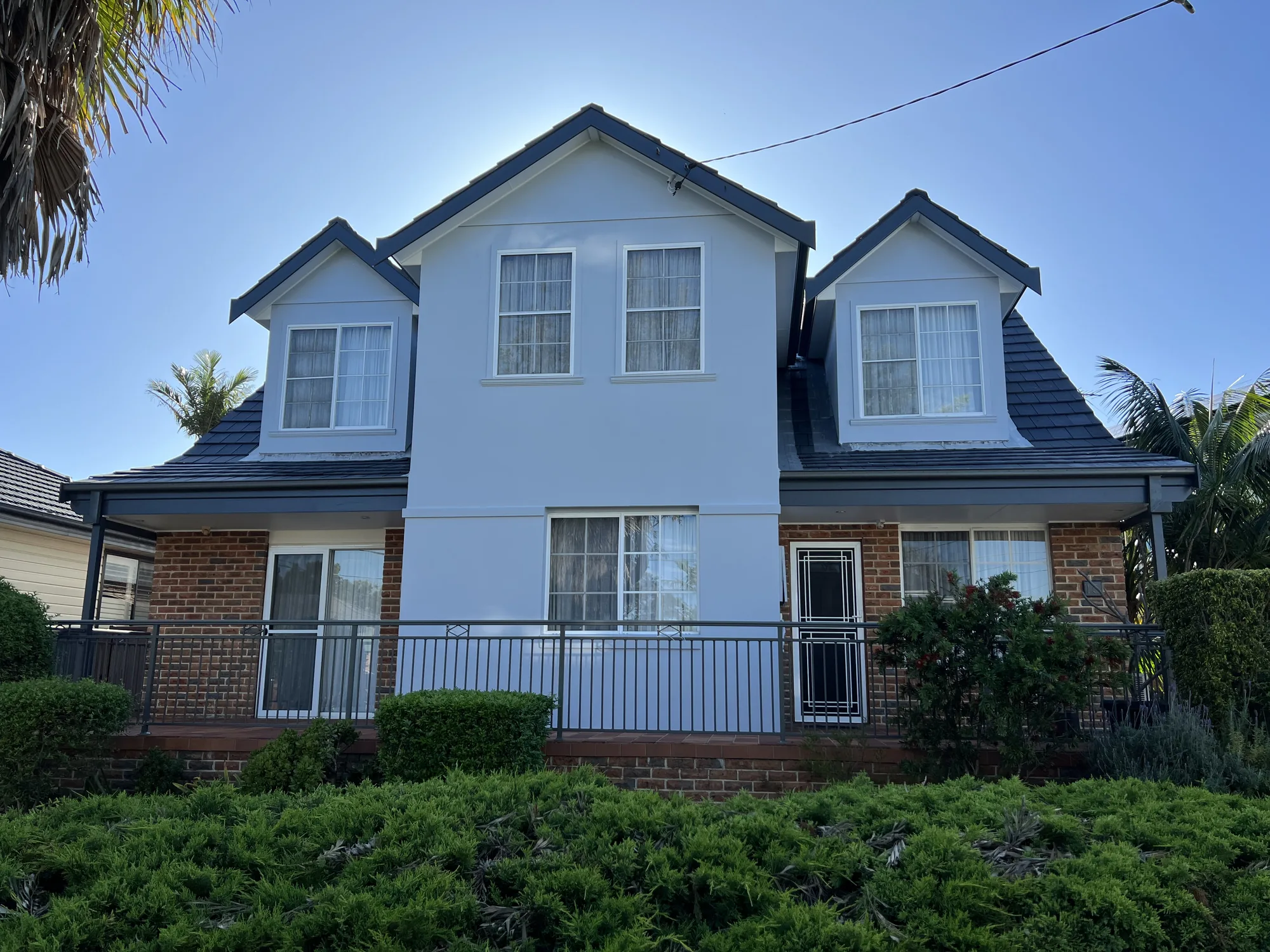
Two-storey brick-and-render home repainted white with charcoal trim after exterior painting, Eastern Suburbs
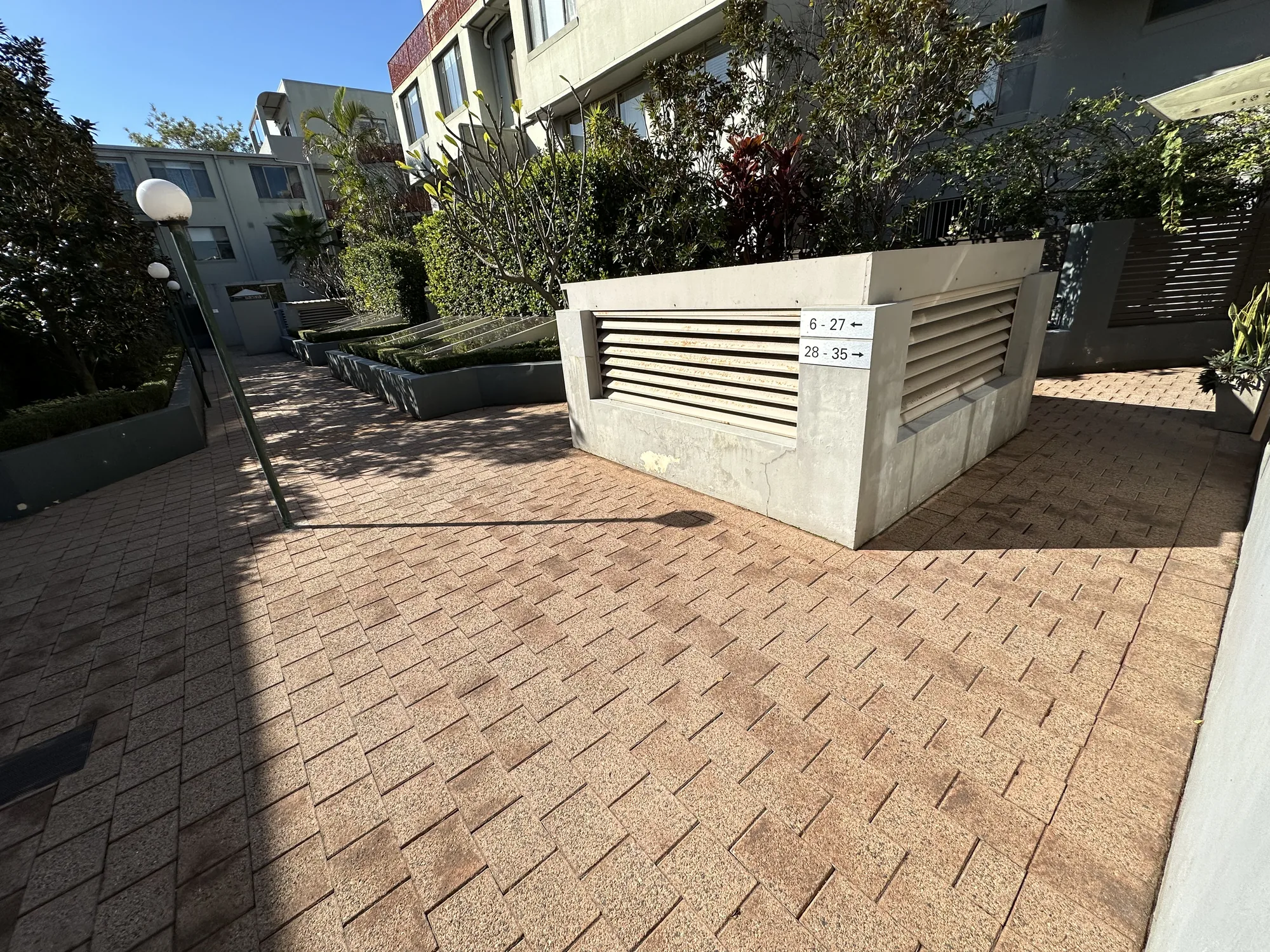
Paved strata courtyard with moss and soiling in joints before pressure washing, Sydney
Orange circle with white left and right arrows pointing away from each other in the center.
Strata courtyard pavers cleaned of moss and grime after pressure washing and re-sanding, Sydney
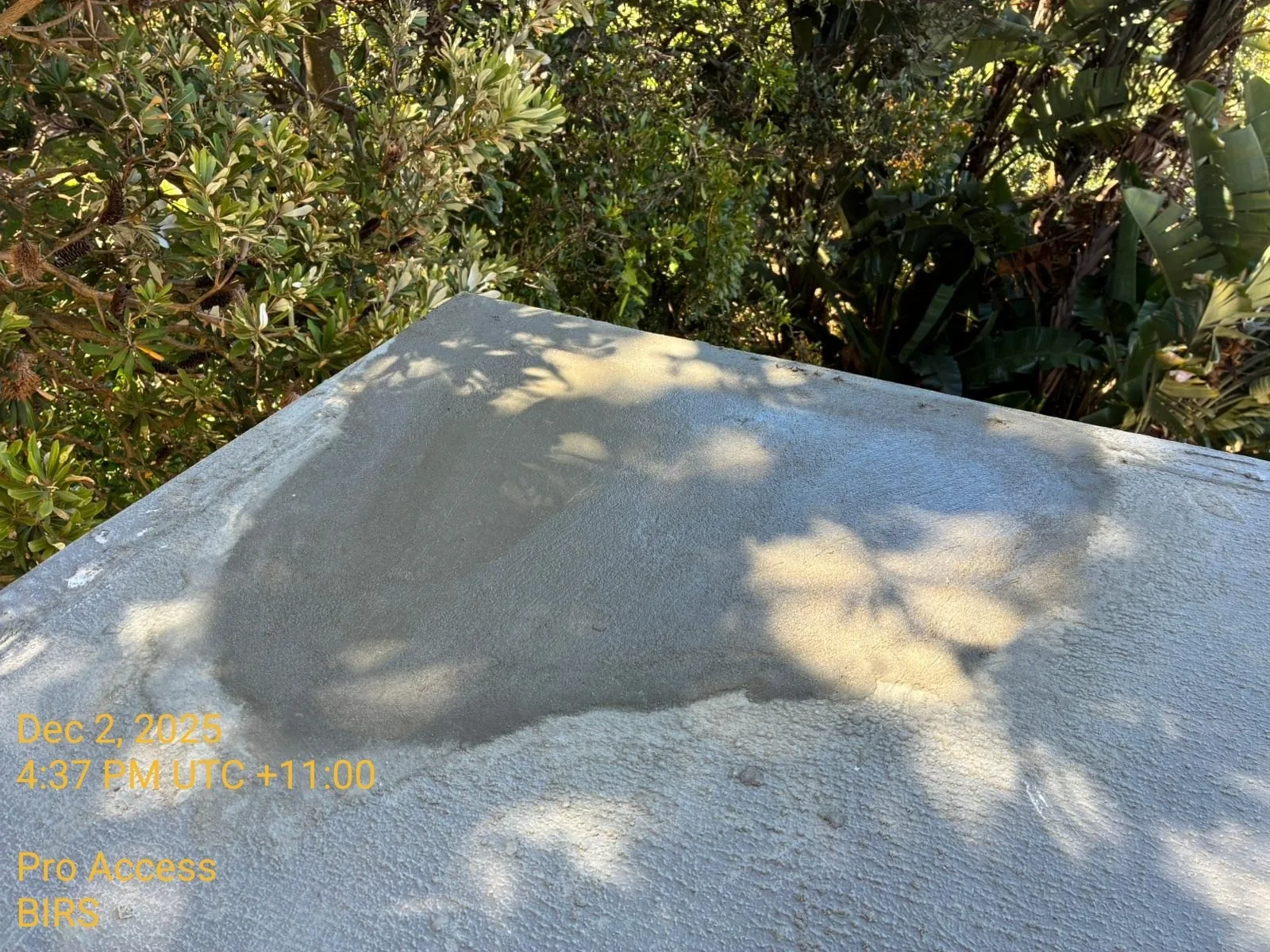
Cracked concrete roof section with failed patch before remedial render, Sydney
Orange circle with white left and right arrows pointing away from each other in the center.
Freshly rendered concrete roof edge after remedial patch repair, Sydney
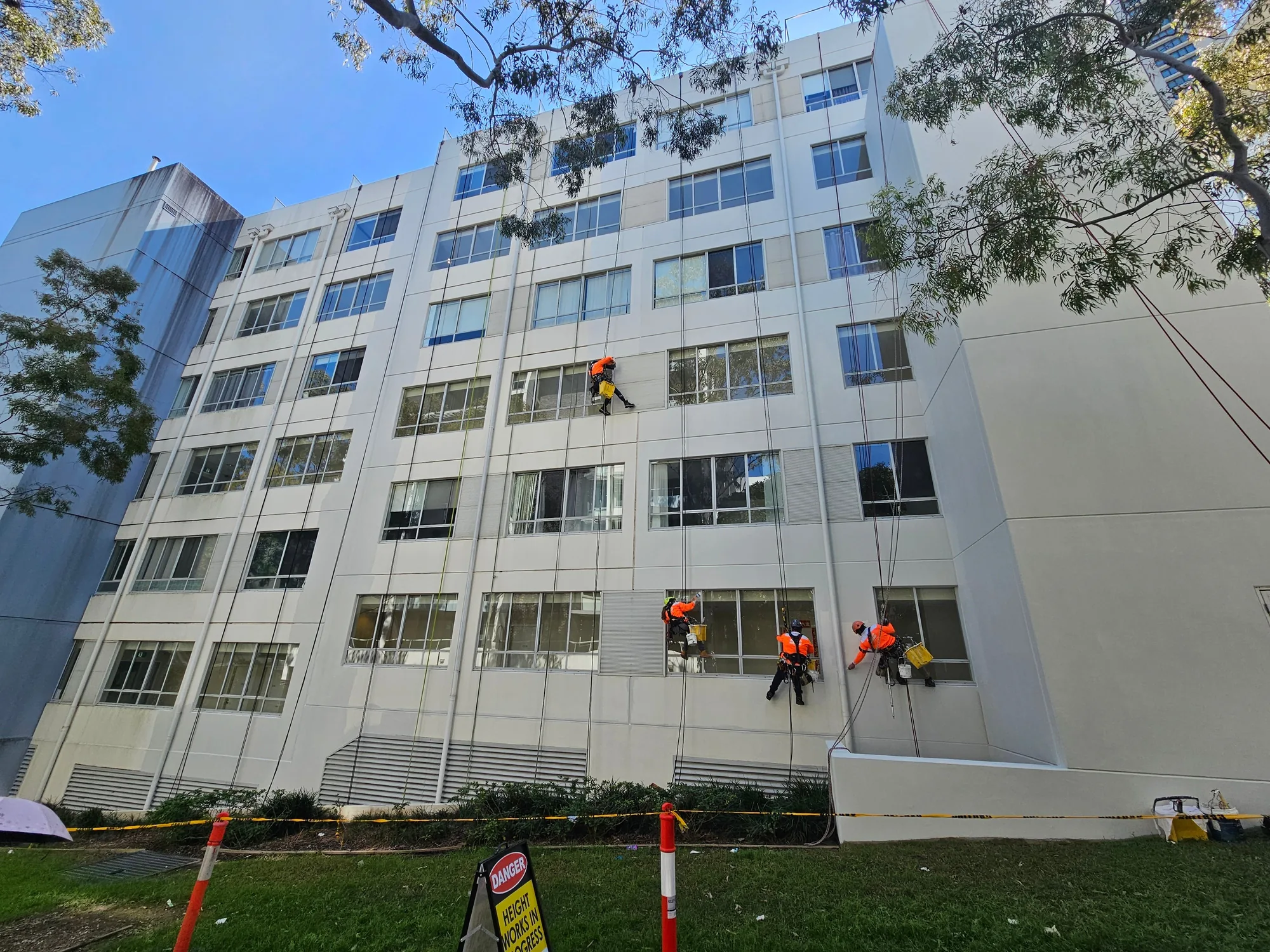
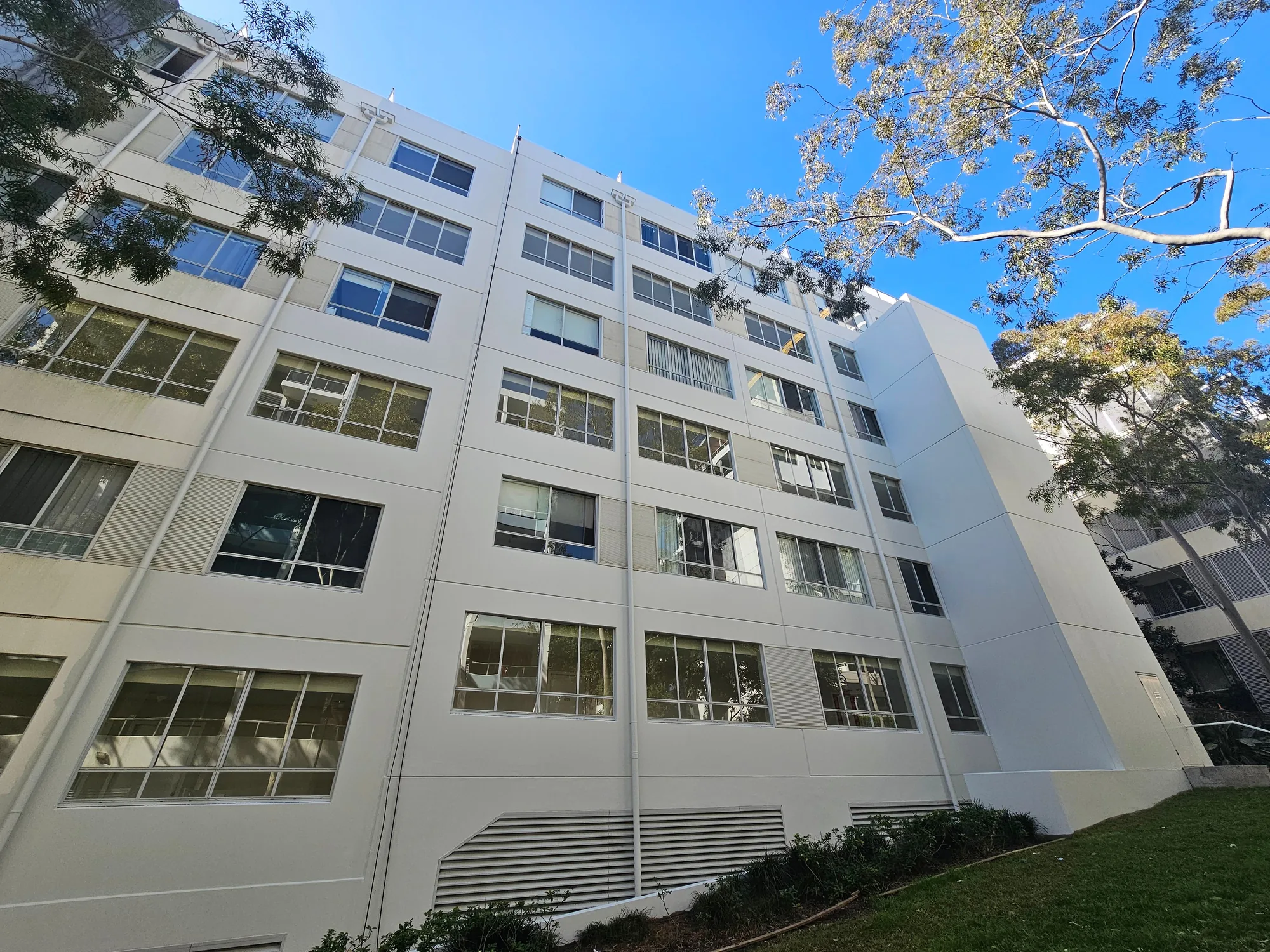
Four rope-access technicians abseiling a multi-storey Sydney facade during exterior painting
Orange circle with white left and right arrows pointing away from each other in the center.
Multi-storey rendered residential facade repainted white after facade works, Sydney
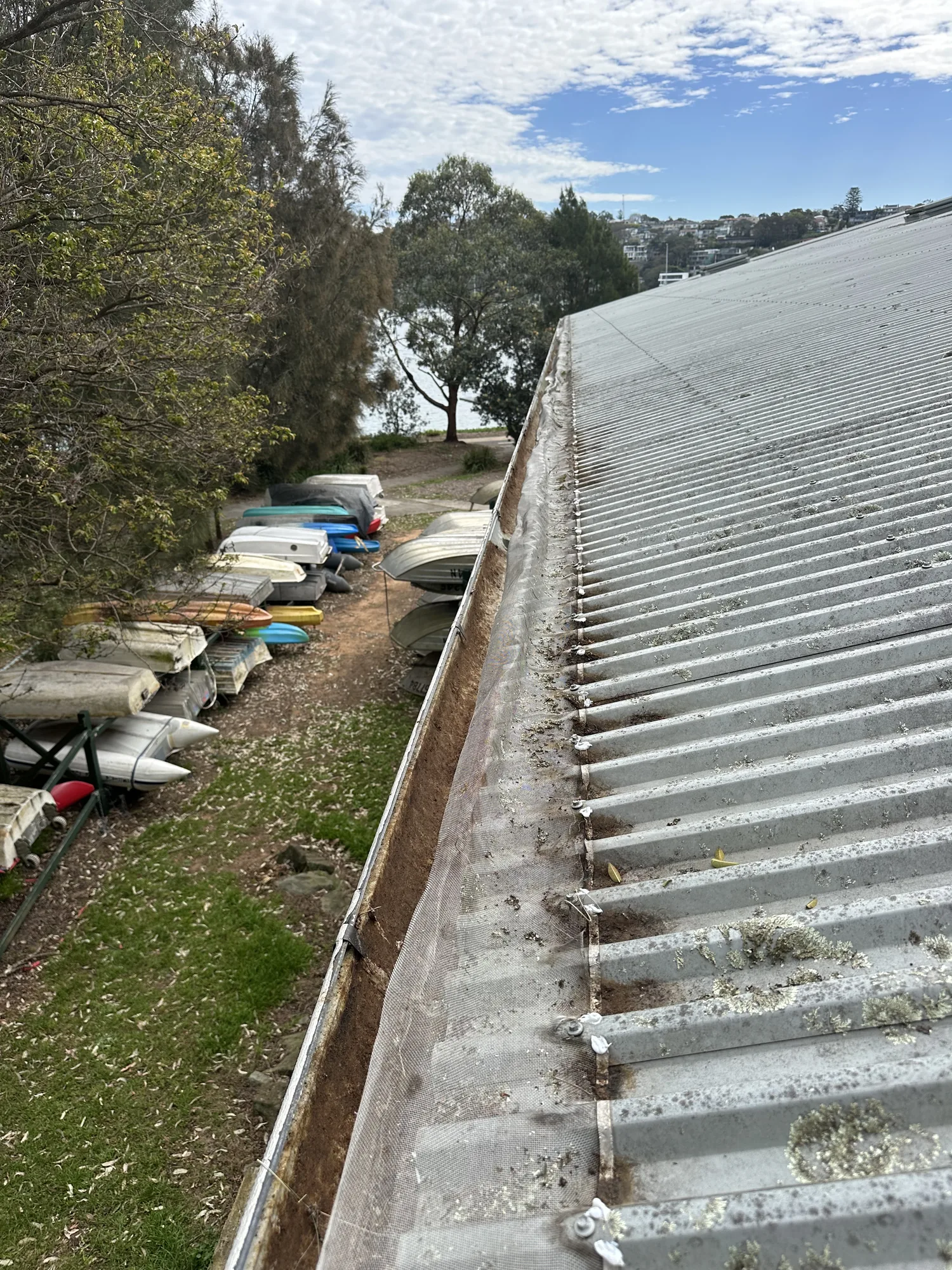
Self-seeded plant and leaf debris in a coastal metal gutter before clean-out, Northern Beaches
Orange circle with white left and right arrows pointing away from each other in the center.
Clear and functional gutter after cleaning, Northern Beaches
Rusting painted steelwork and soffit in a rooftop plant area before remedial recoating
Orange circle with white left and right arrows pointing away from each other in the center.
Rooftop plant-room steelwork and soffit repainted white after protective coating
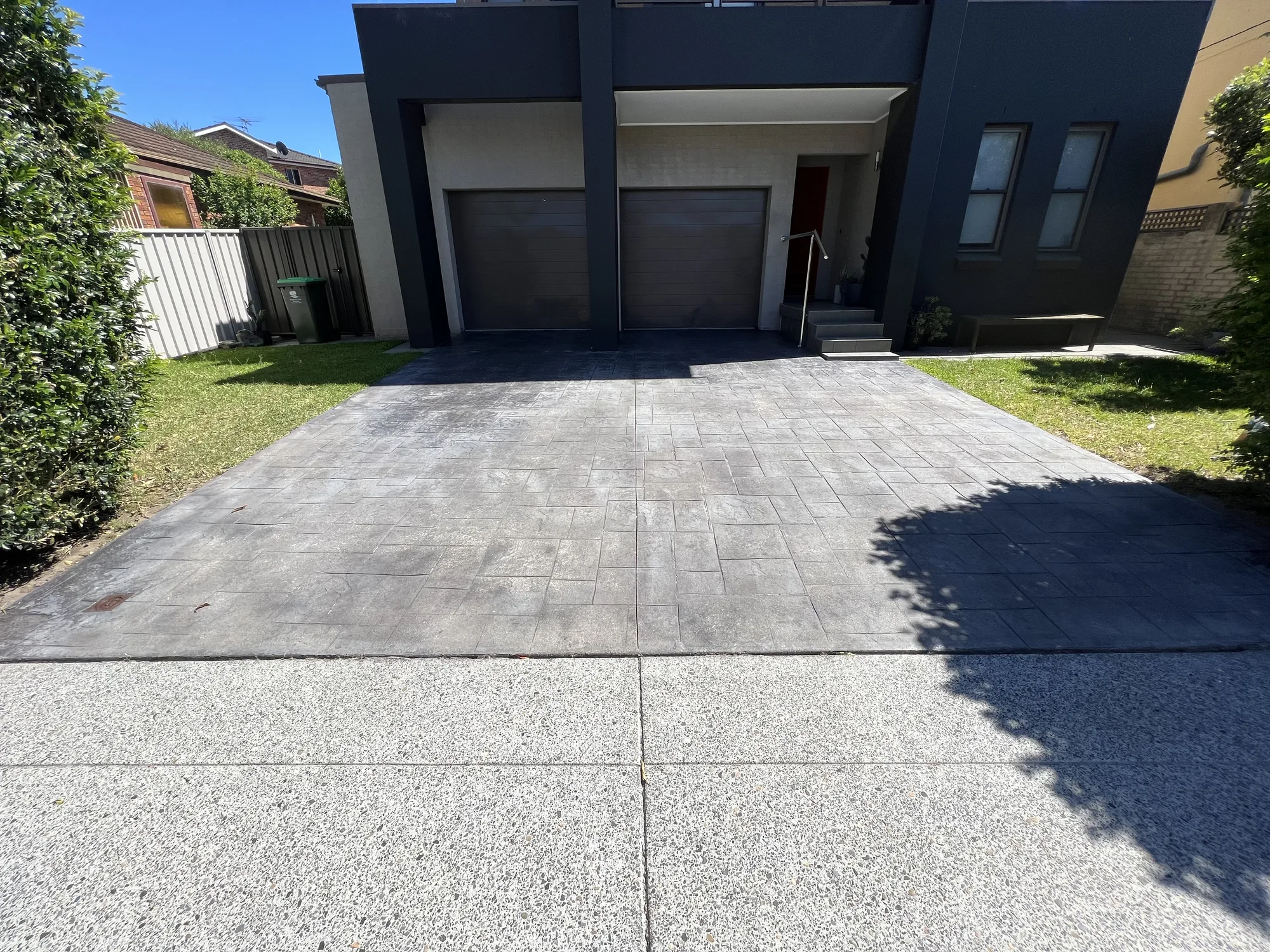
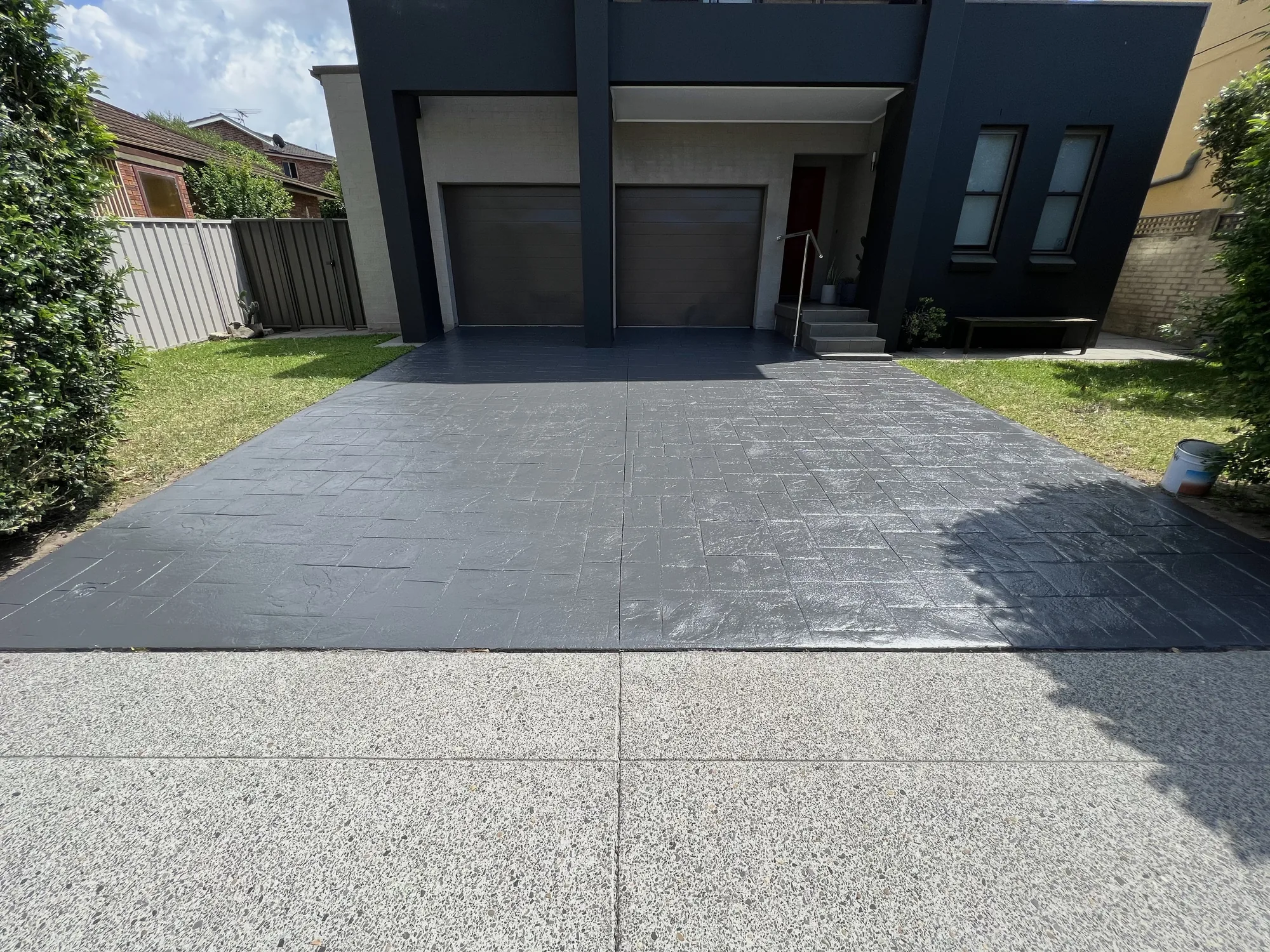
Stencil-pattern concrete driveway cleaned and ready for slip resistant paint, Sydney
Orange circle with white left and right arrows pointing away from each other in the center.
Stencil-pattern concrete driveway resealed in charcoal after coating, Sydney home
Two-storey brick unit with soiled render balcony and tiled patio before pressure washing, Sydney
Orange circle with white left and right arrows pointing away from each other in the center.
Brick unit balcony and patio cleaned after pressure washing, staining lifted
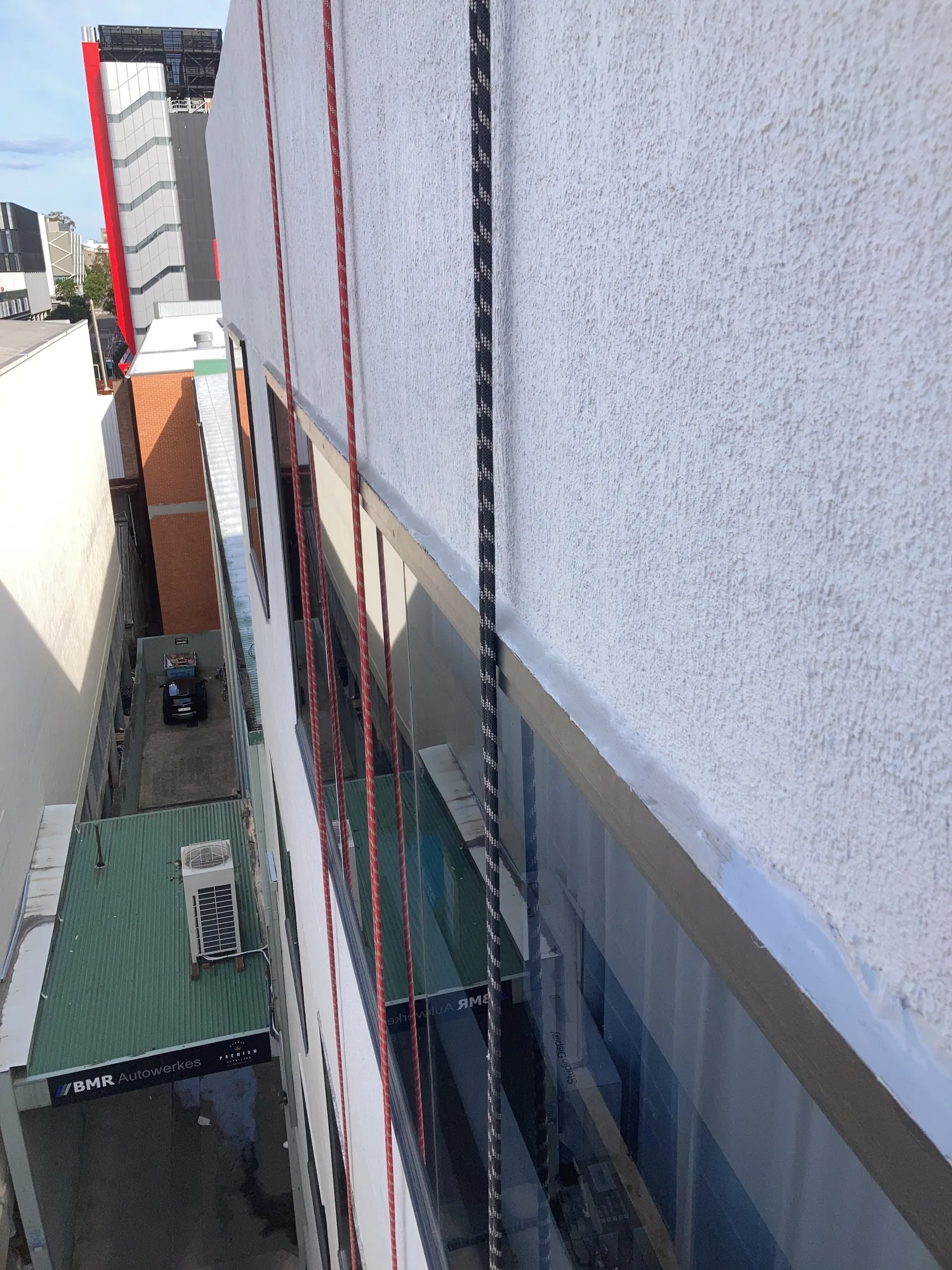
Rope lines down a rendered high-rise facade before rope-access sealant works are completed
Orange circle with white left and right arrows pointing away from each other in the center.
Rope lines down a rendered high-rise facade after rope-access sealant works are completed
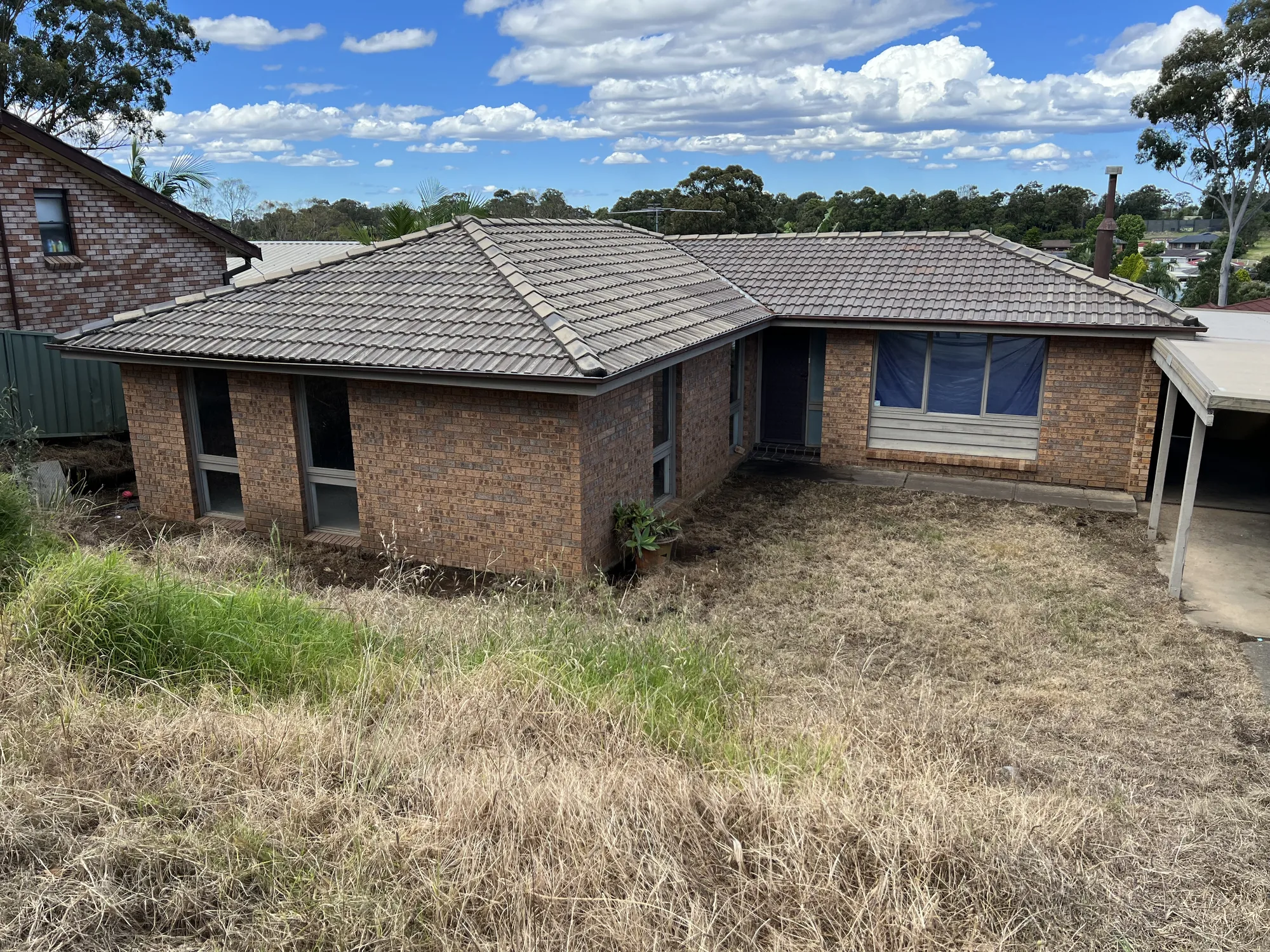
Weathered concrete-tile hip roof on a brick home after cleaning, before roof painting, Western Sydney
Orange circle with white left and right arrows pointing away from each other in the center.
Concrete-tile roof repainted after roof restoration on a brick home, Western Sydney
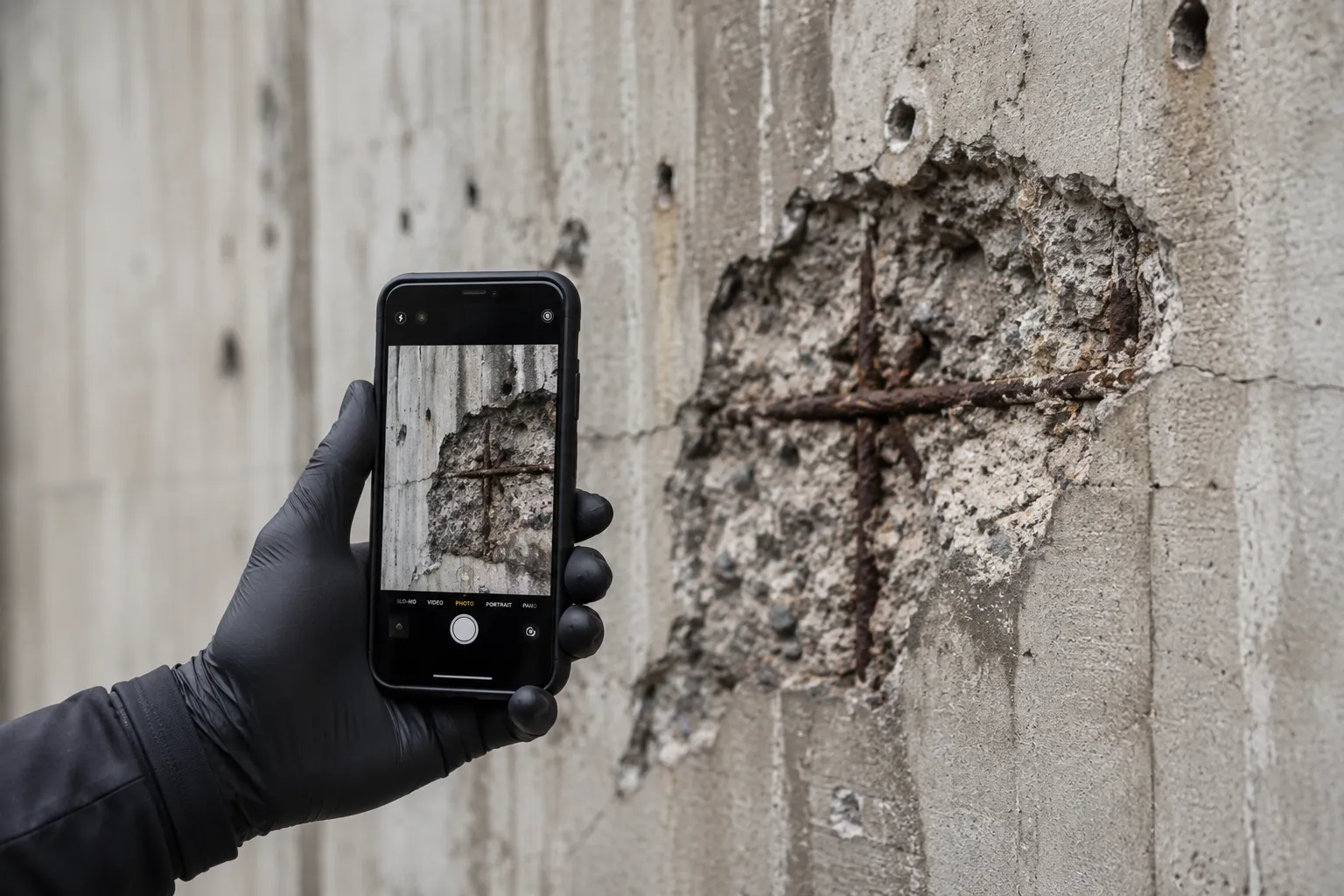
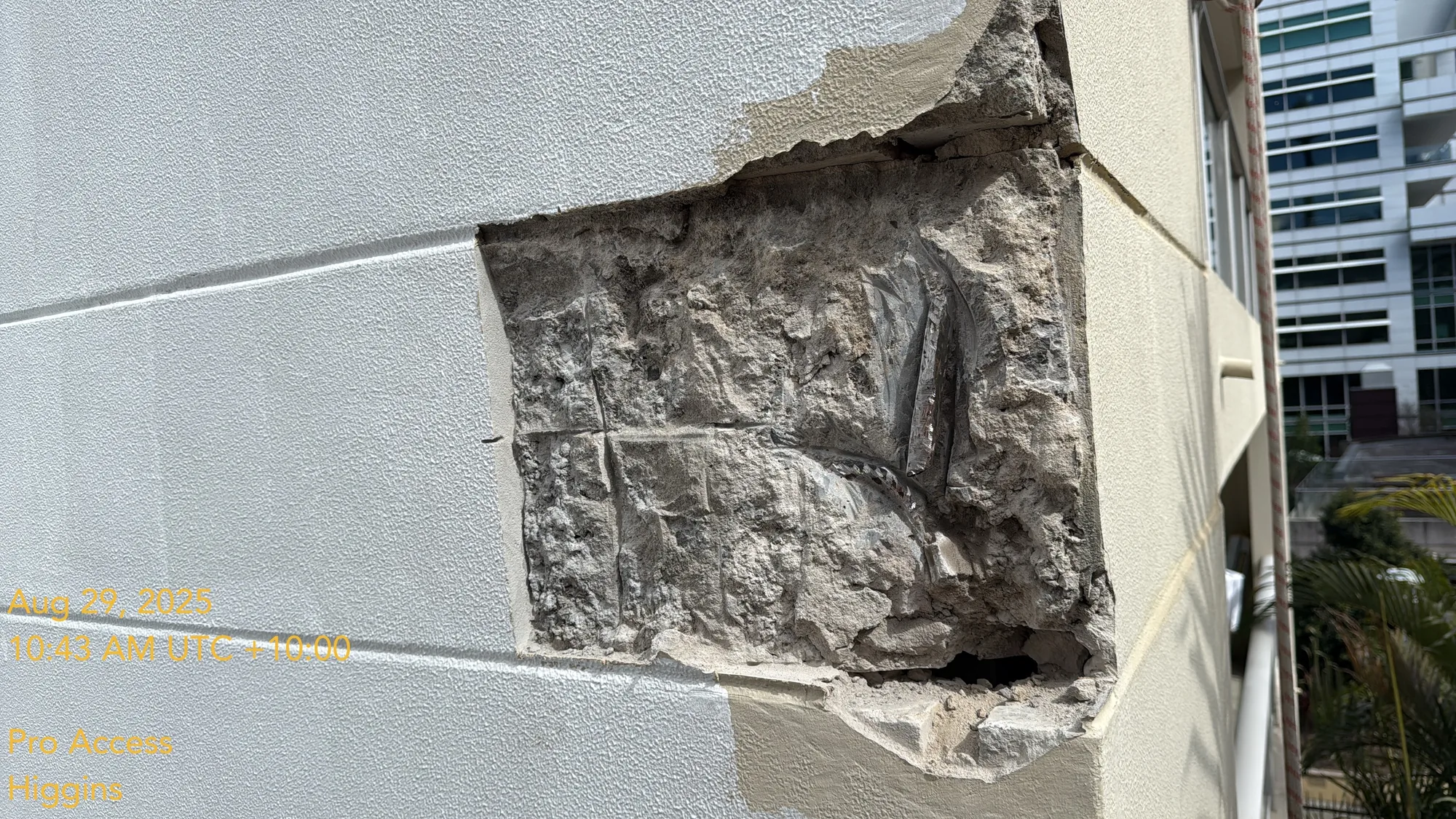
Large concrete spall on rendered facade exposing corroded steel reinforcement before repair
Orange circle with white left and right arrows pointing away from each other in the center.
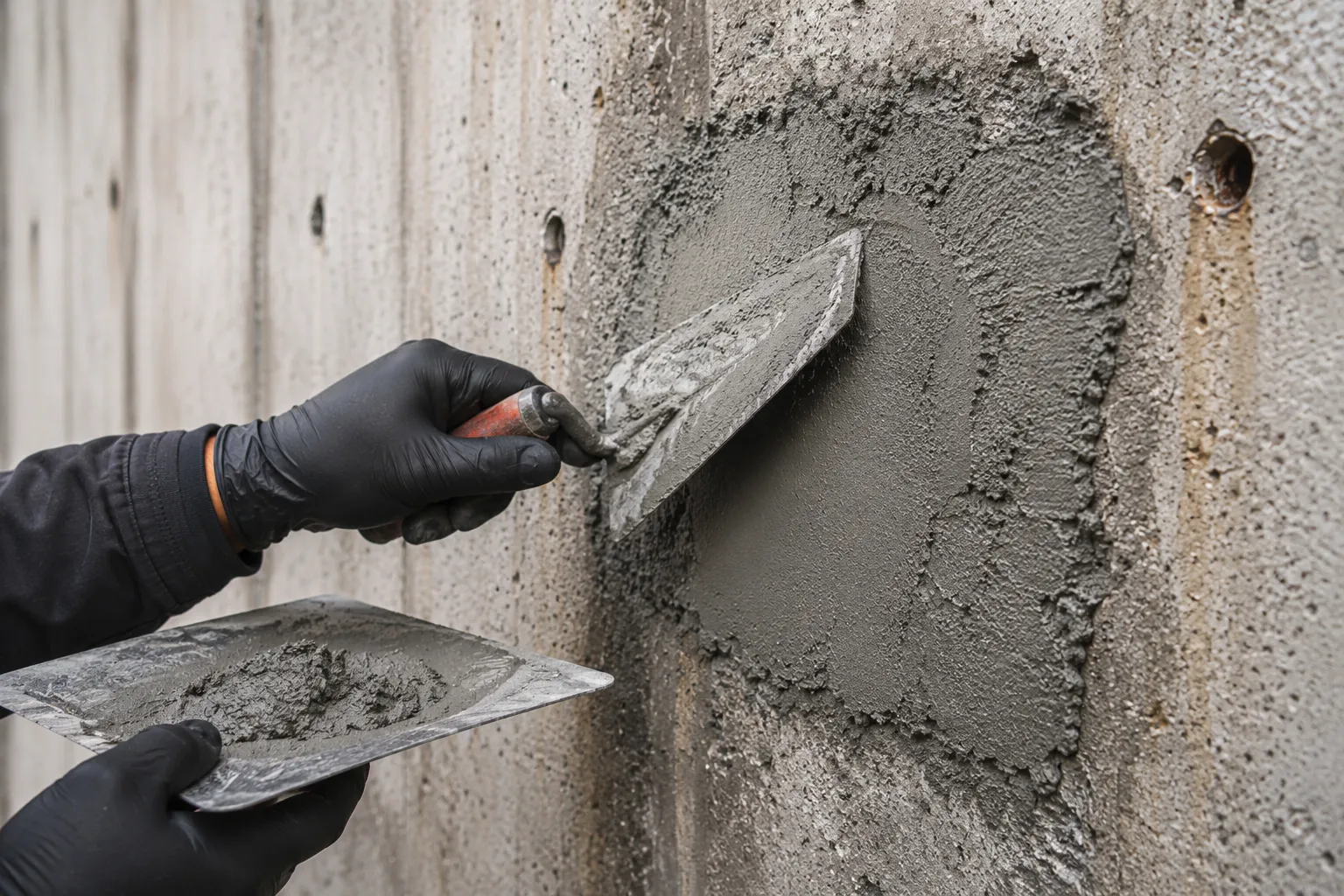
Final render coat applied to a prepared facade panel, colour-matched to substrate
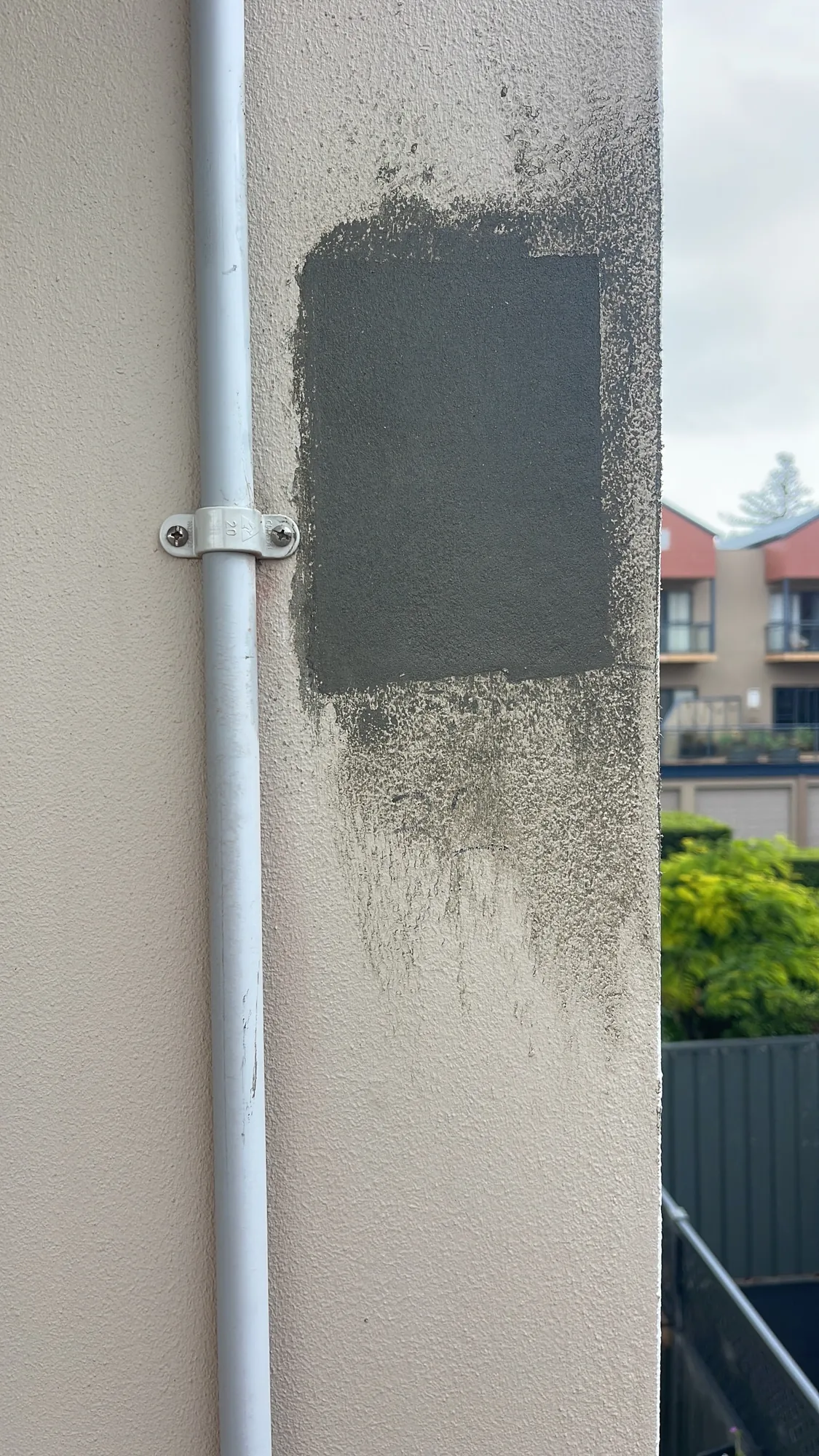
Rendered facade cut back to brick substrate exposing the repair zone before re-rendering
Orange circle with white left and right arrows pointing away from each other in the center.
Grey render patch applied over prepared facade section, repair in progress
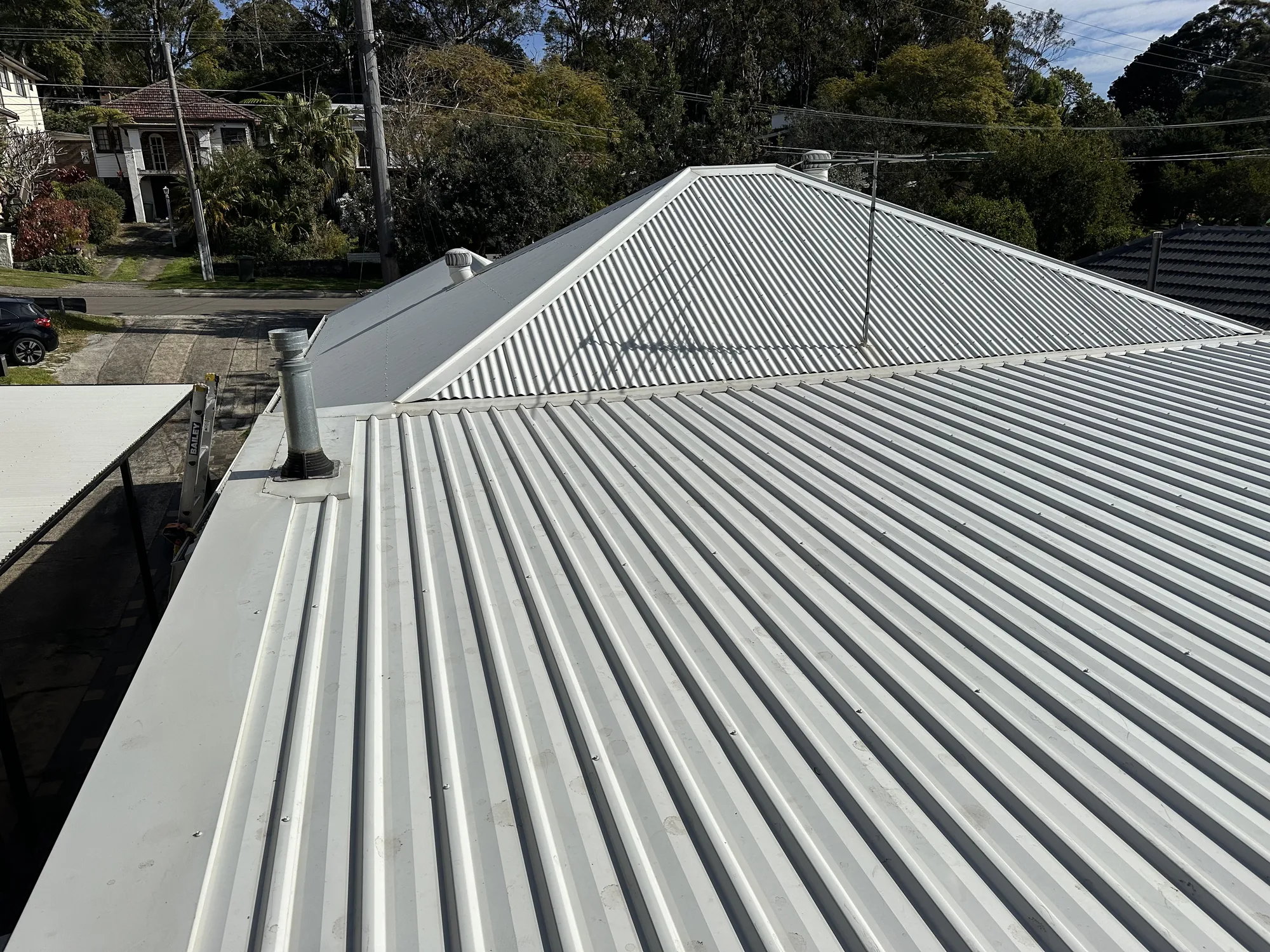
Weathered corrugated metal hip roof with surface lichen before roof restoration, Sydney
Orange circle with white left and right arrows pointing away from each other in the center.
Corrugated metal roof after cleaning, Sydney
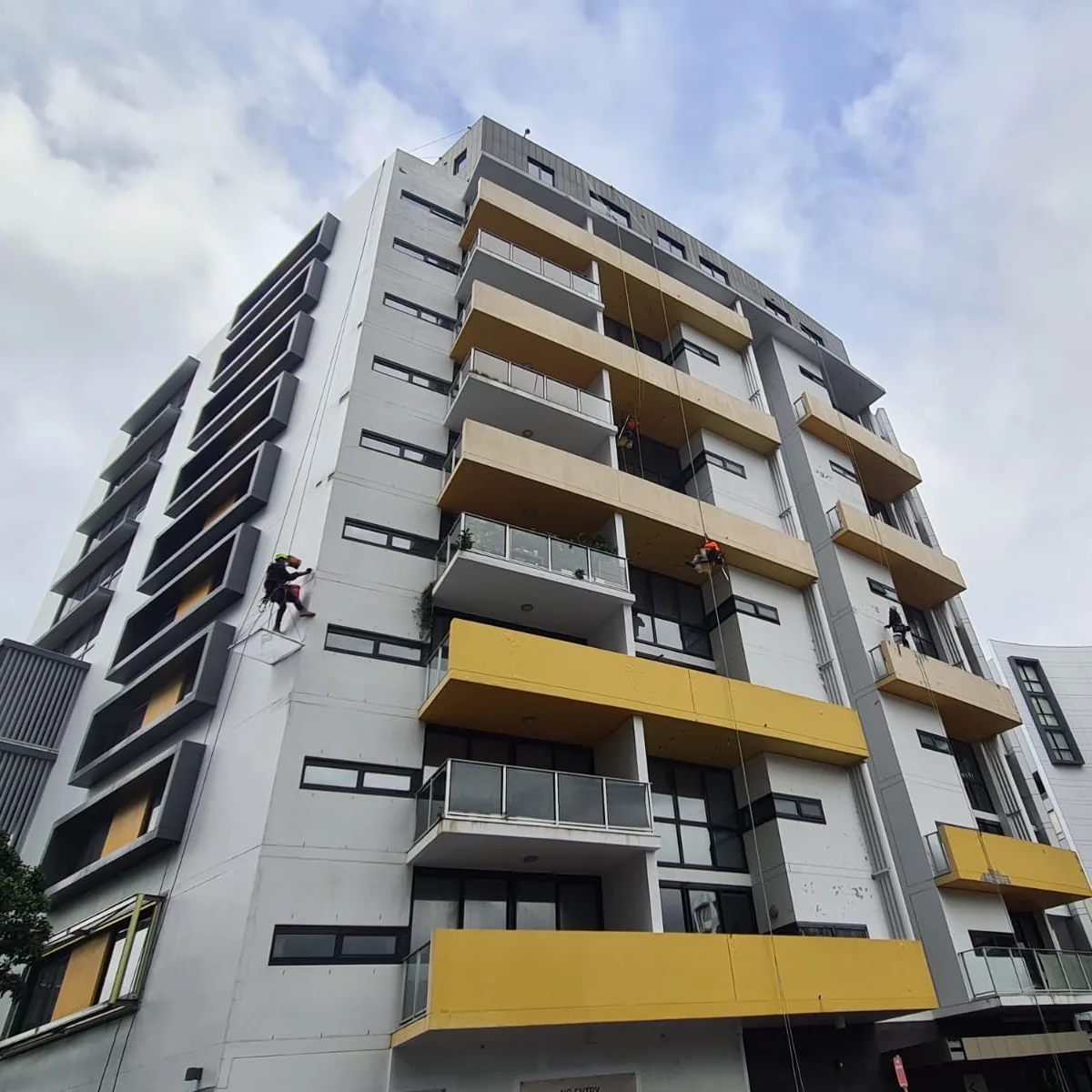
Rope access technicians complete concrete repairs to the side of a multi level building before painting, Sydney
Orange circle with white left and right arrows pointing away from each other in the center.
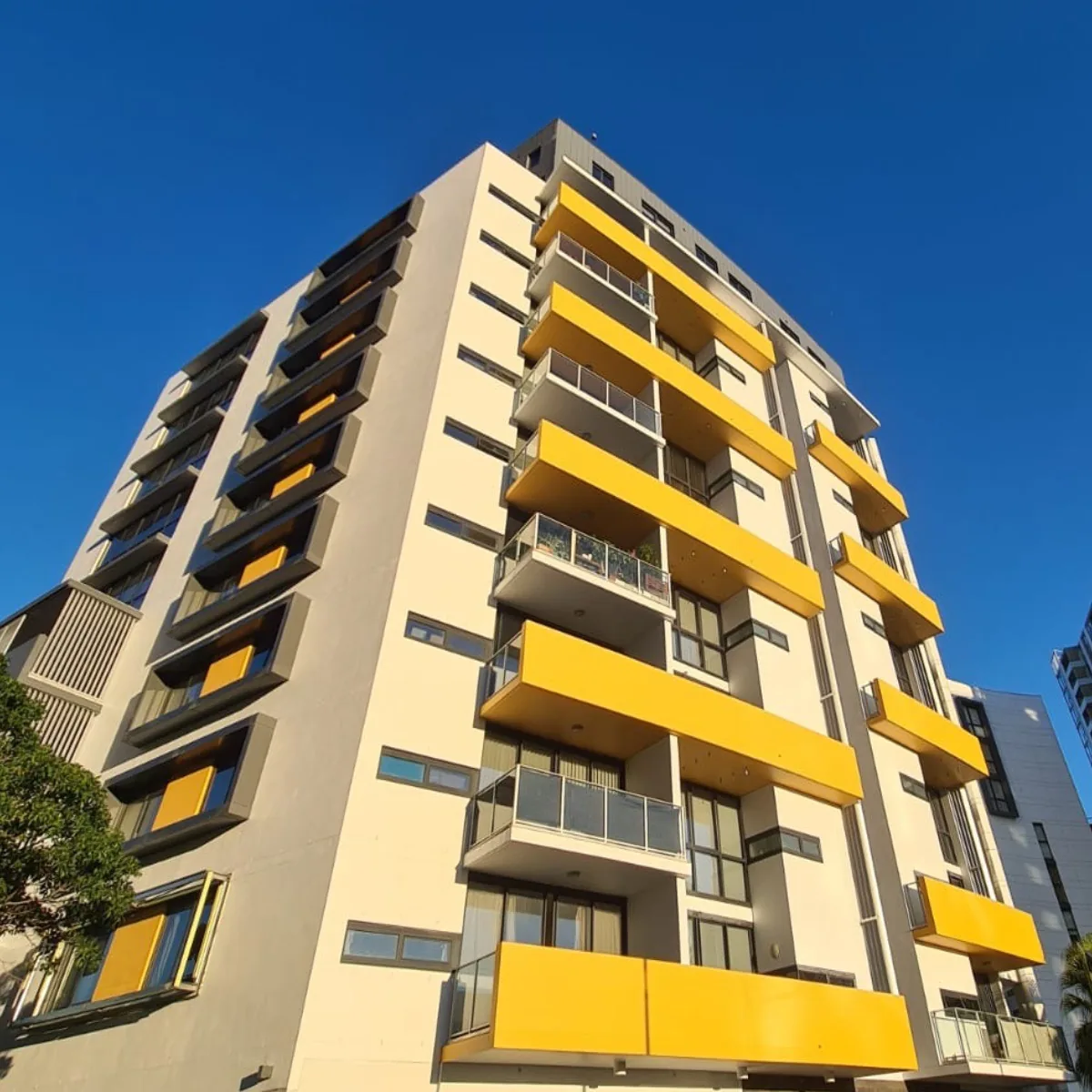
Apartment tower facade repainted cream with yellow balconies after rope-access painting, Sydney
Spalled window lintel exposing corroded steel reinforcement before remedial repair
Orange circle with white left and right arrows pointing away from each other in the center.
Window lintel re-rendered over treated reinforcement after concrete repair
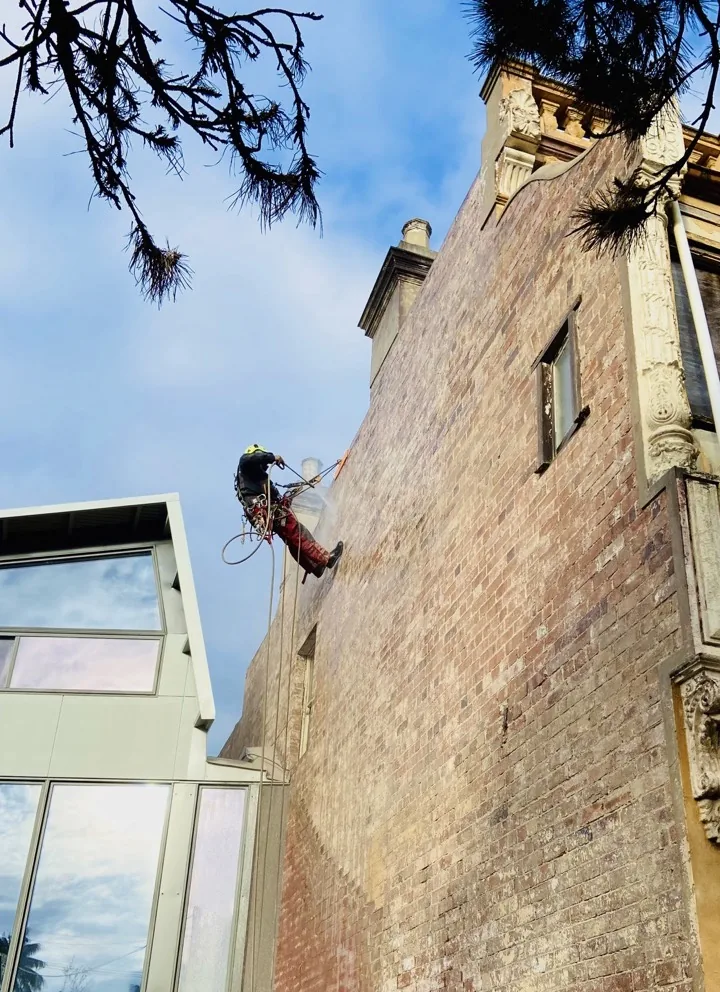
Rope-access technician soft-washing a heritage sandstone-trimmed brick facade in preparation for painting, Sydney
Orange circle with white left and right arrows pointing away from each other in the center.
Rope-access technician painting a heritage brick facade white, Sydney
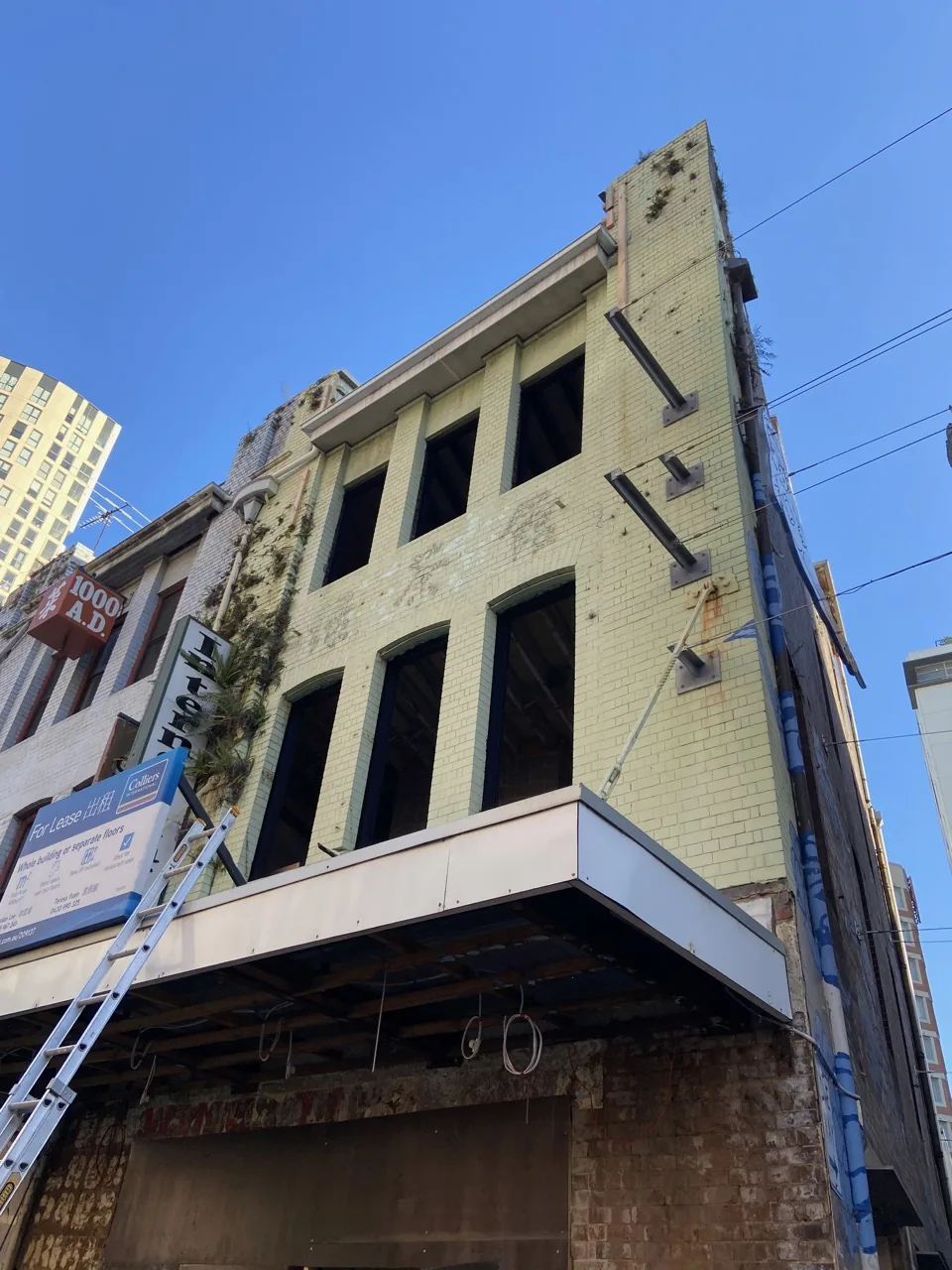
Weathered heritage CBD facade with organic growth before facade restoration, Sydney
Orange circle with white left and right arrows pointing away from each other in the center.
Heritage CBD commercial facade part-painted cream during remedial works, Sydney
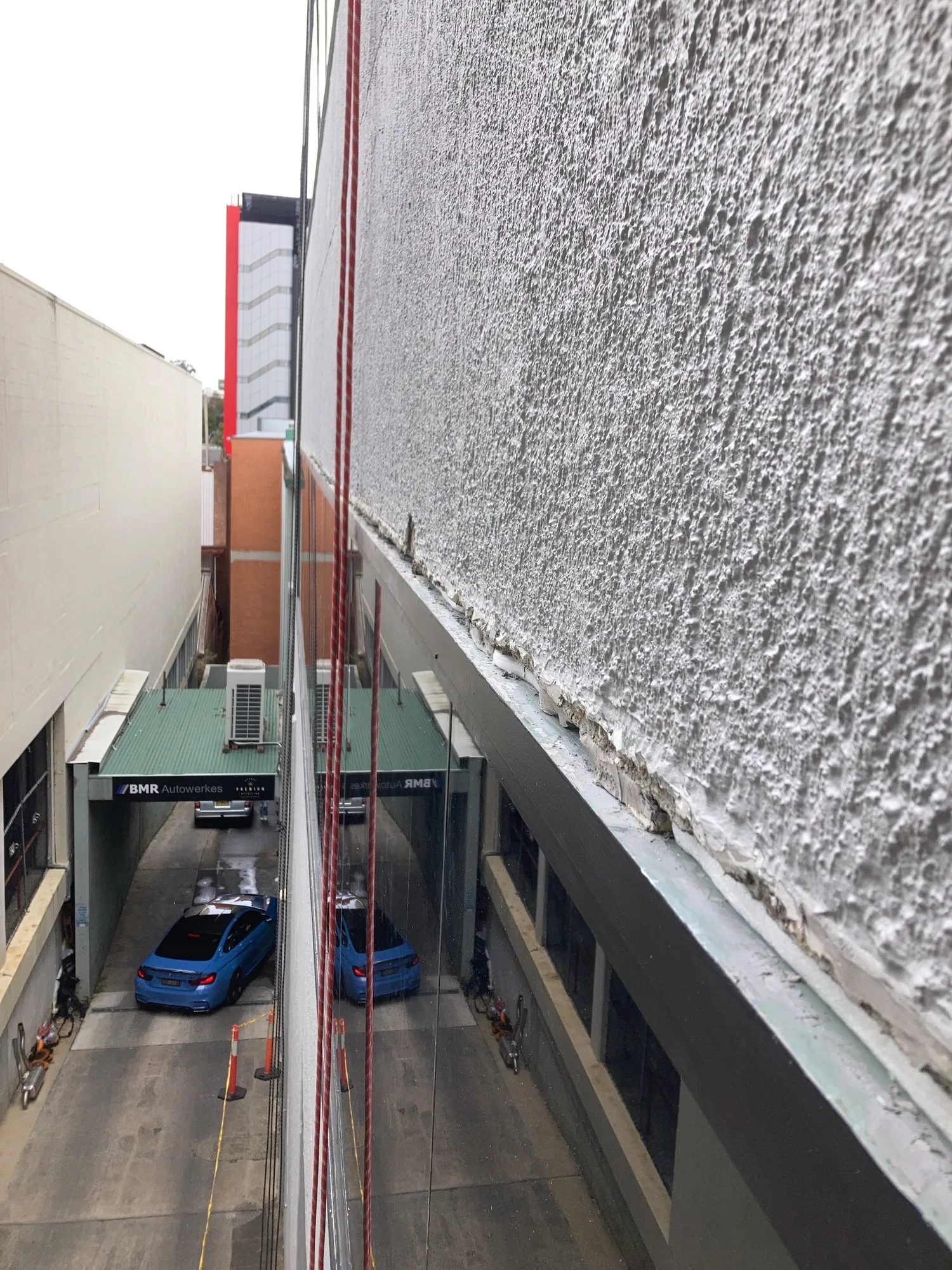
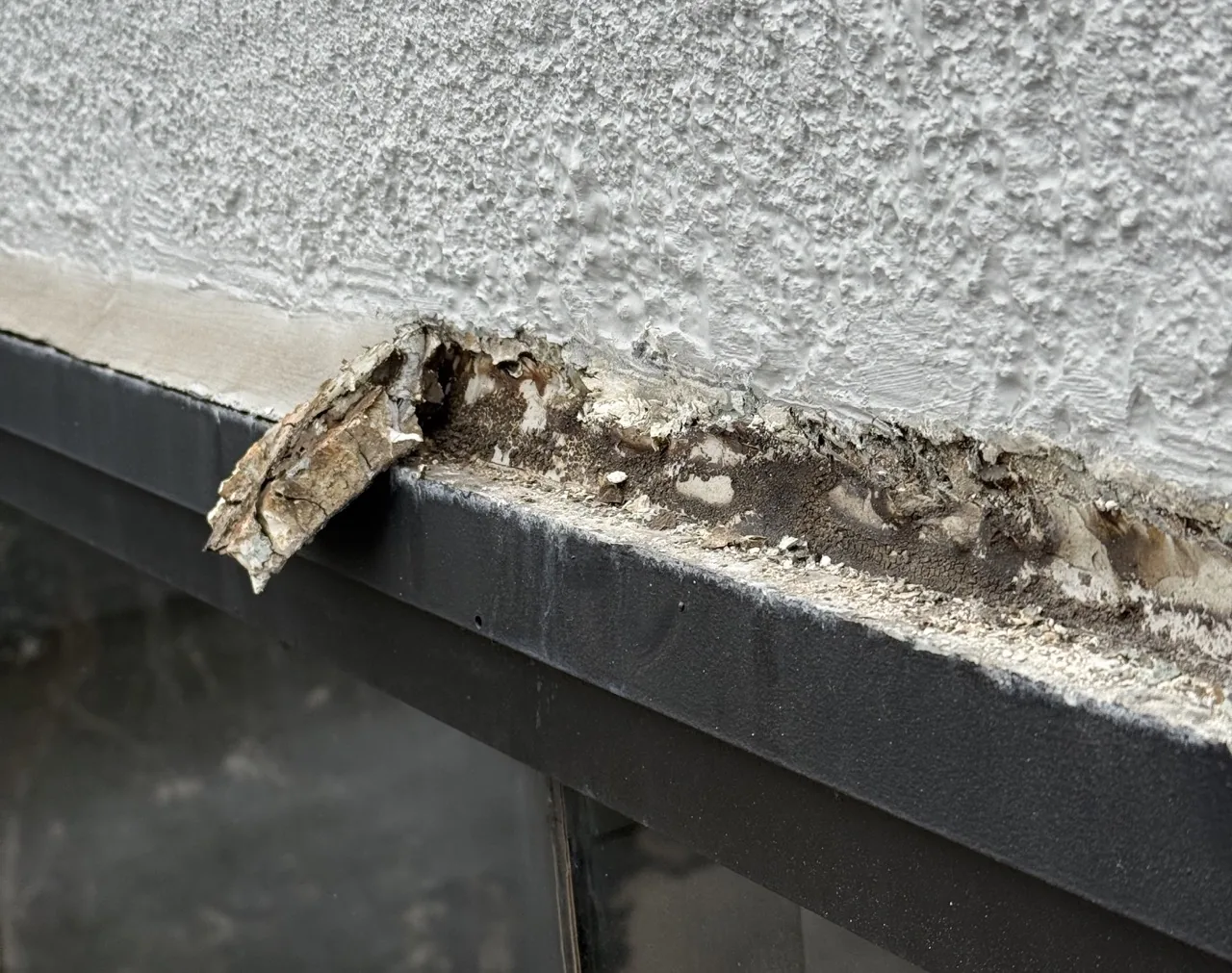
Failed sealant above a window frame, showing mould behind it.
Orange circle with white left and right arrows pointing away from each other in the center.
Rendered parapet edge above glazing recoated white after expansion joint repair
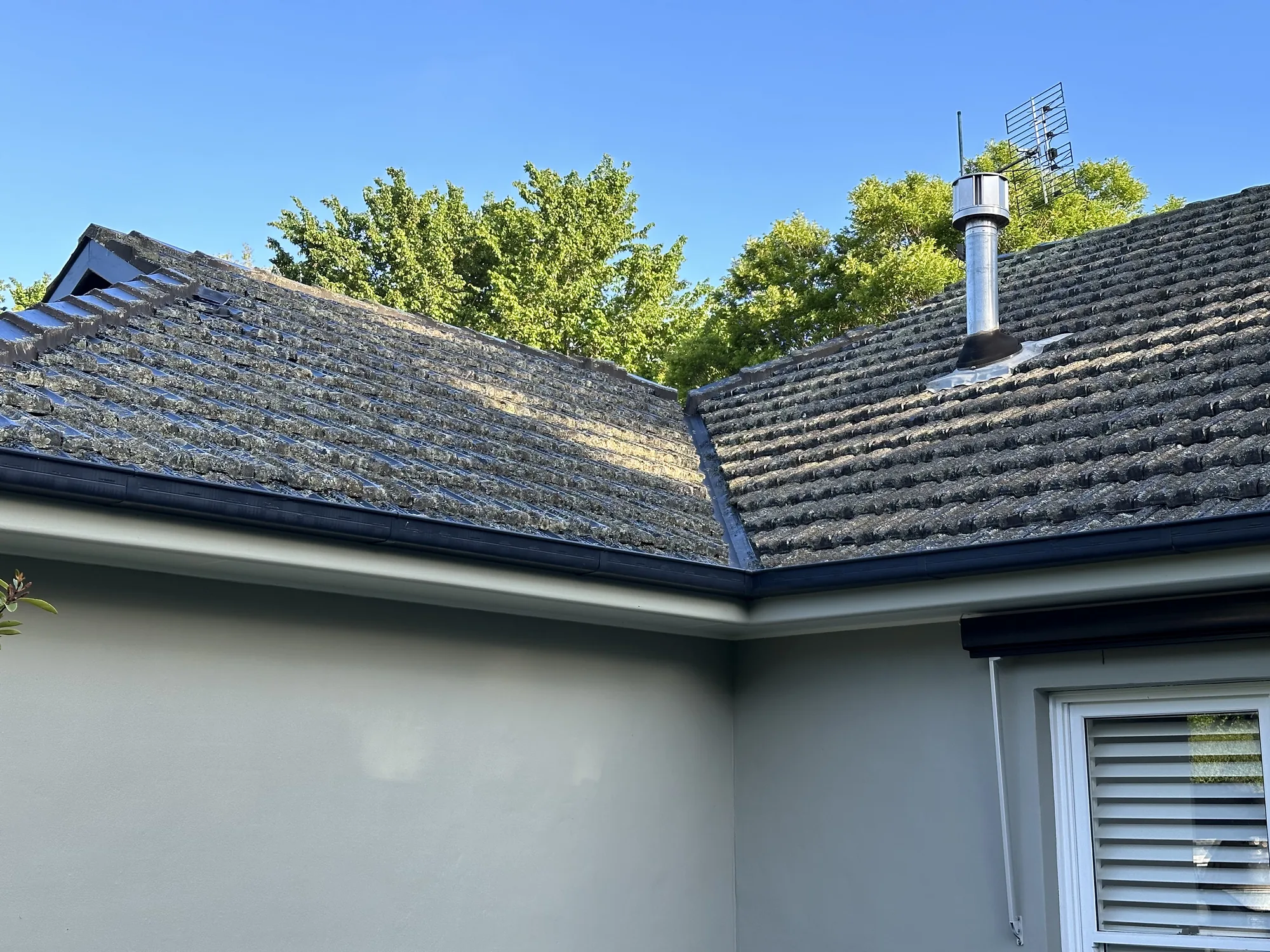
Glazed-tiled roof heavily colonised by lichen and moss before pressure washing
Orange circle with white left and right arrows pointing away from each other in the center.
Glazed terracotta roof looking like new after a pressure washing.
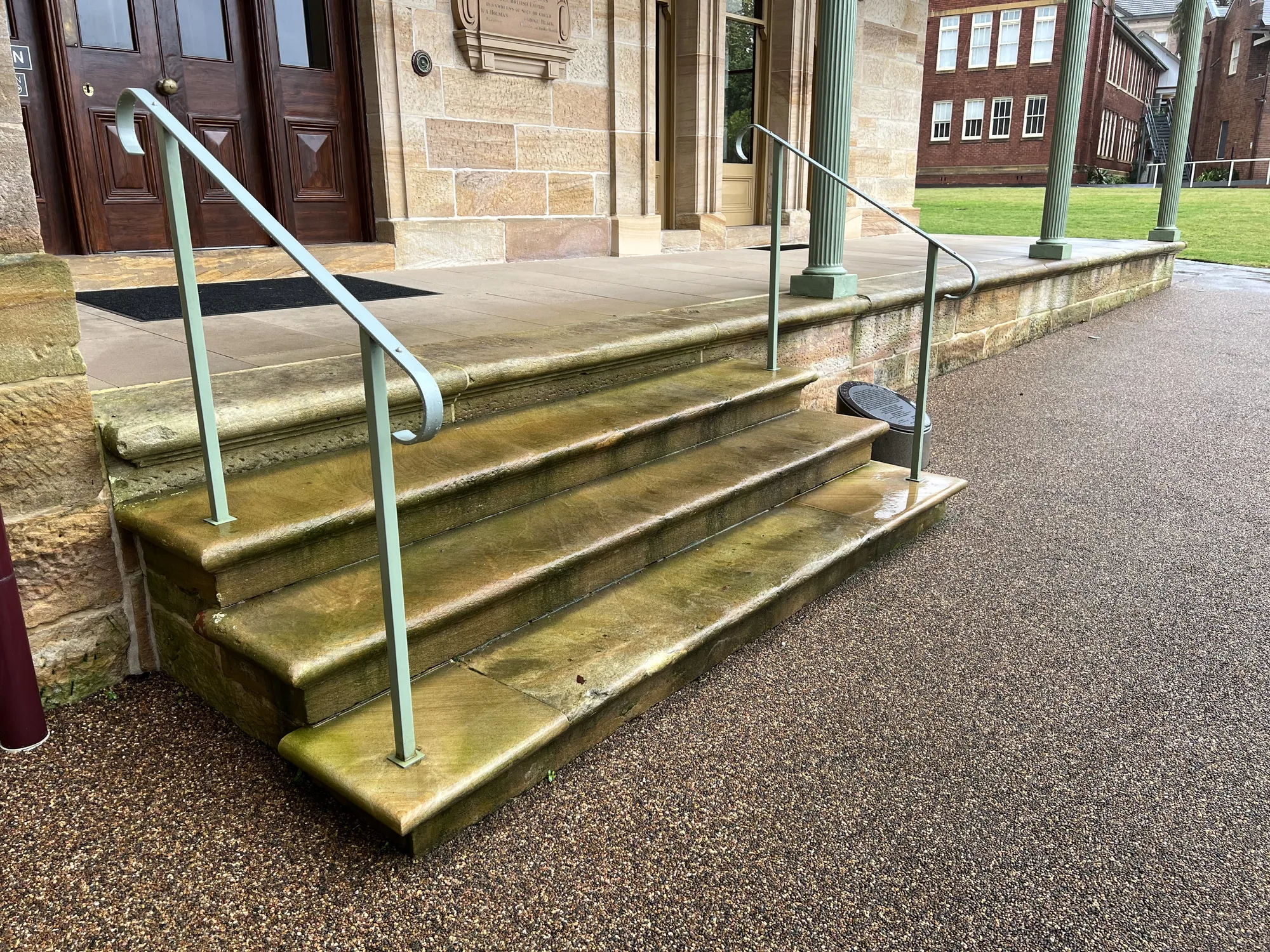
Heritage sandstone steps stained green with algae before soft-wash cleaning, Sydney
Orange circle with white left and right arrows pointing away from each other in the center.
Heritage sandstone entry steps cleaned to bare stone after restoration, Sydney
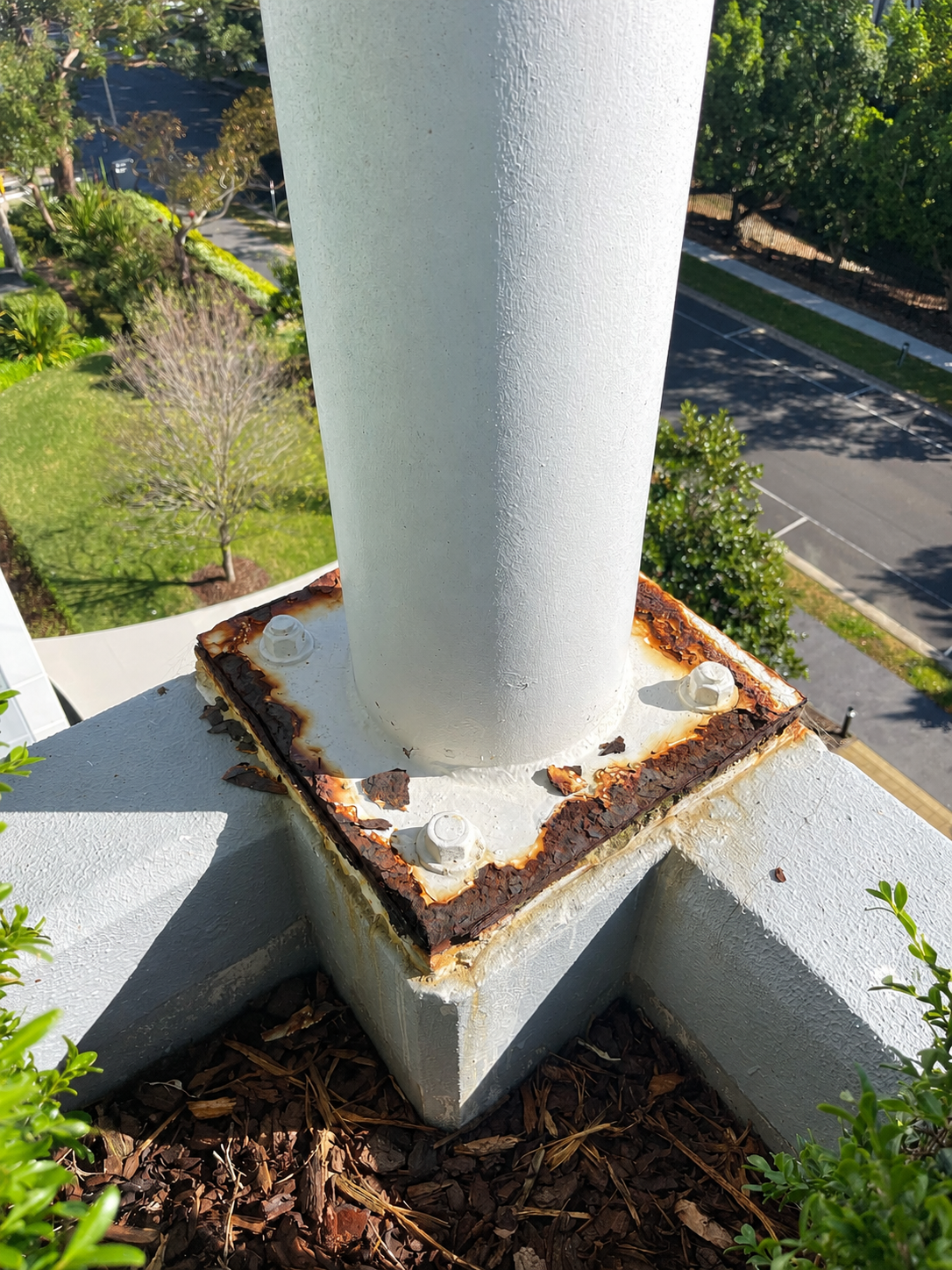
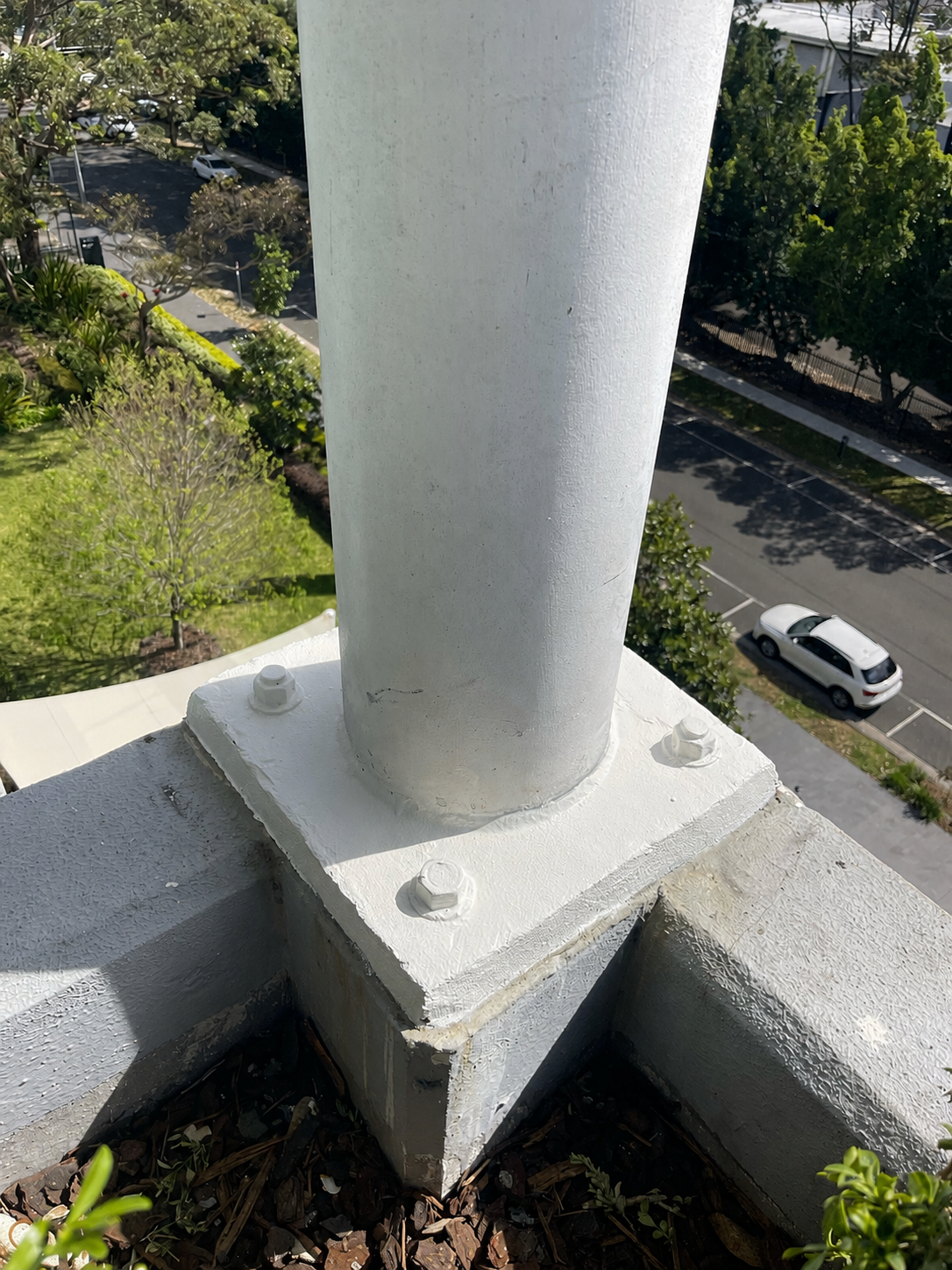
Steel column baseplate with rust bleeding through paint before remedial coating, Sydney
Orange circle with white left and right arrows pointing away from each other in the center.
Steel column baseplate primed and painted white after rope-access remedial coating, Sydney
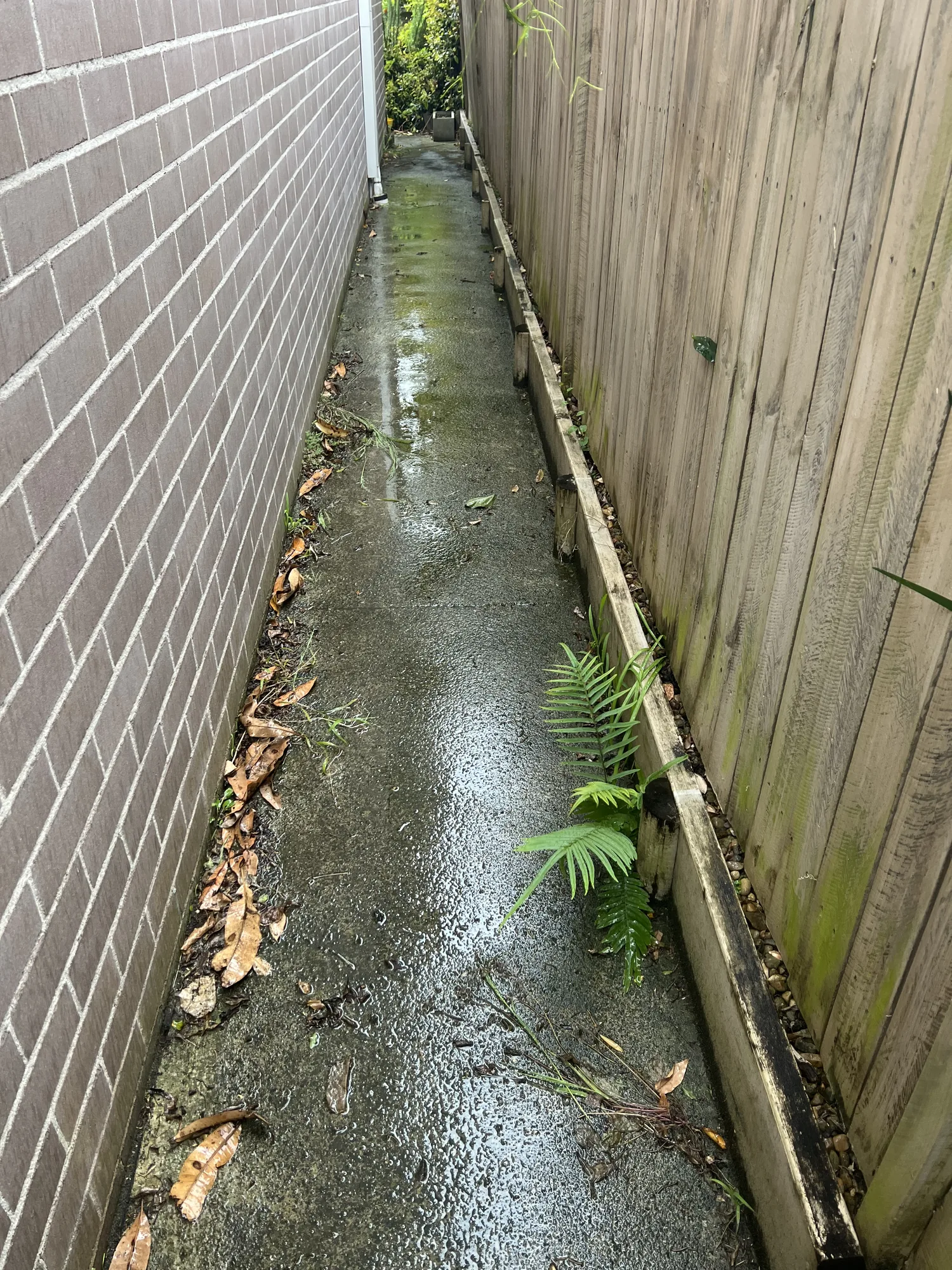
Narrow concrete side path with algae and leaf debris before pressure washing, Sydney
Orange circle with white left and right arrows pointing away from each other in the center.
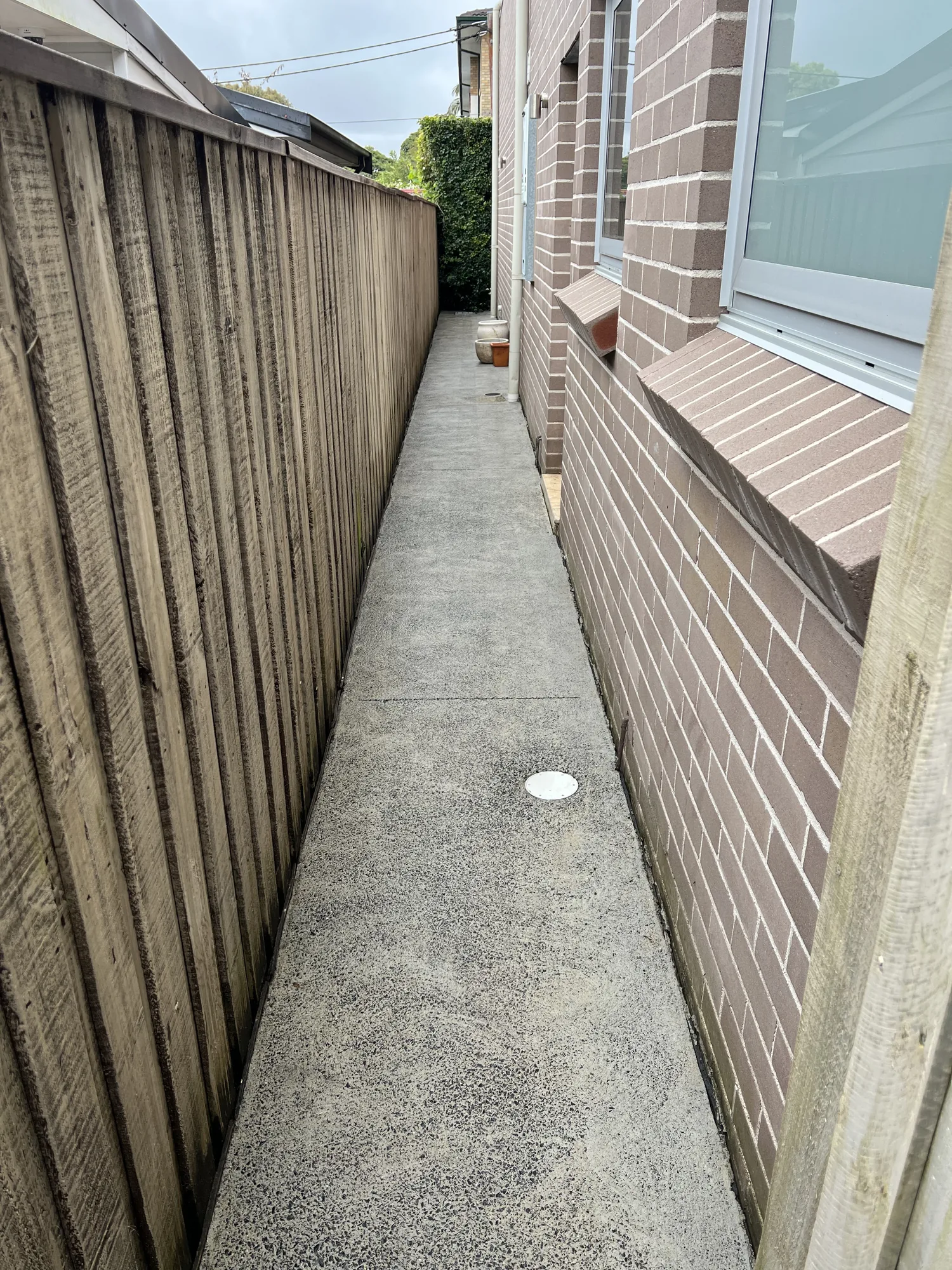
Concrete side path cleaned of algae and debris after pressure washing, Sydney
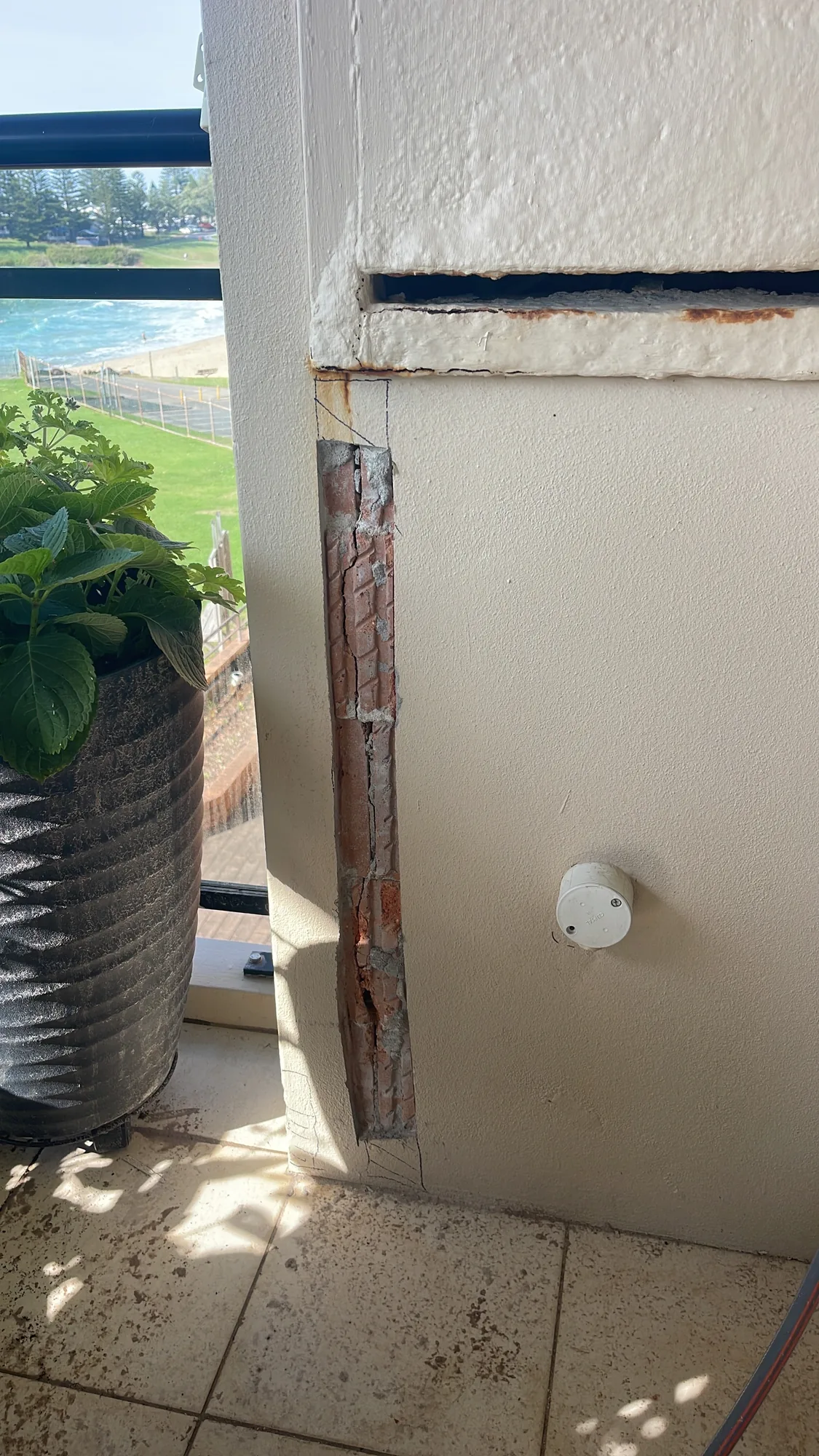
Cracked brickwork at a coastal balcony window reveal from water ingress before repair
Orange circle with white left and right arrows pointing away from each other in the center.
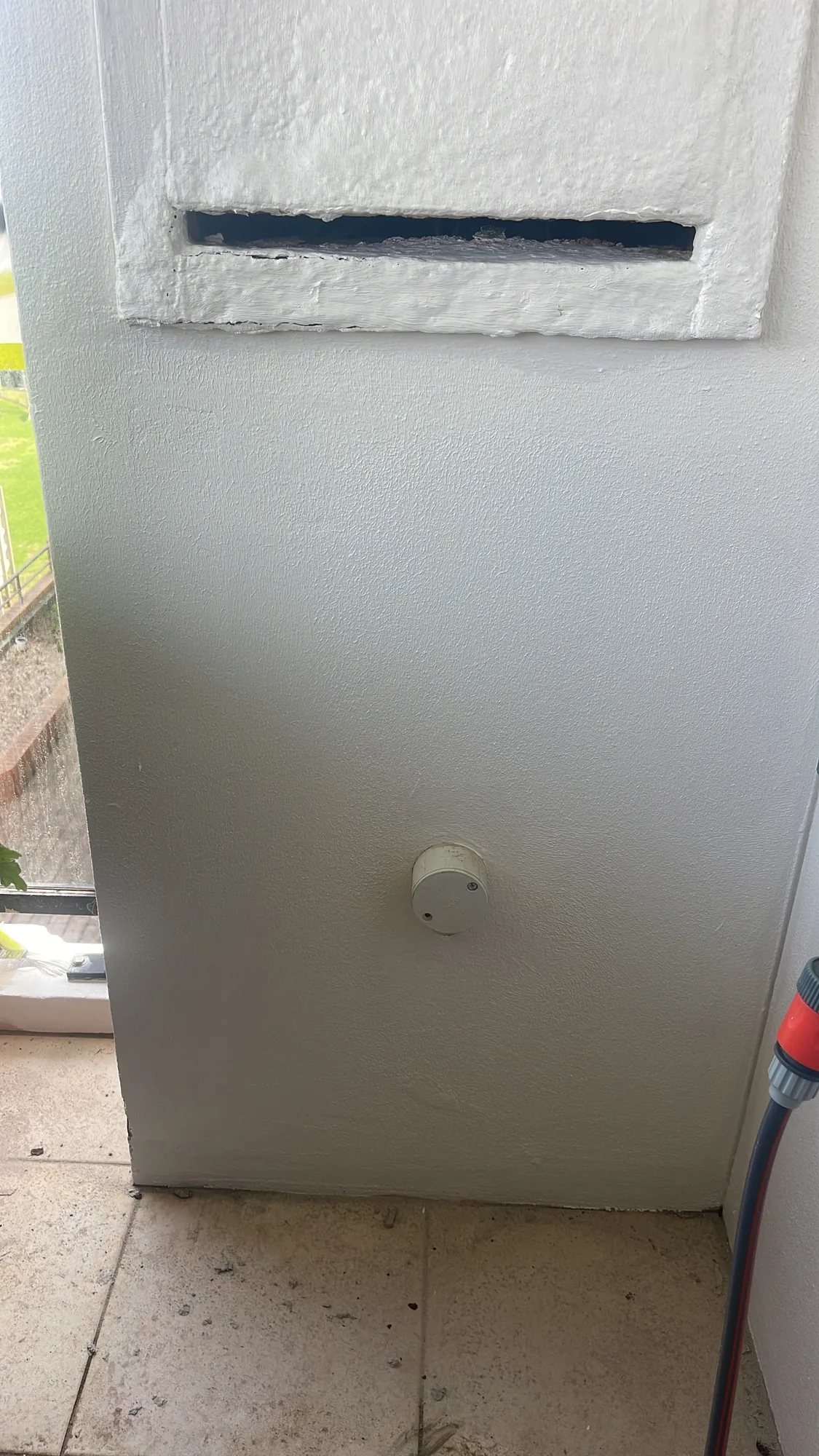
Balcony wall re-rendered and repainted after remedial repair, with vent reveal made good

SPECIALIST SERVICES

UPKEEP provides rope access painting, facade maintenance, concrete repairs, remedial works, sealant replacement, soft washing, window cleaning, roof cleaning, anchor testing and building inspections throughout Sydney.

THE RIGHT ACCESS
FOR EVERY PROJECT

Whether a project requires rope access, EWP access, ladders or ground-based access, we use the safest and most efficient method to complete painting, remedial and maintenance works.

ACCESS METHODS

ROPES

EWP

LADDERS

GROUND

PROPERTIES WE SERVICE

RESIDENTIAL

COMMERCIAL

STRATA

"Very impressed and grateful for Nick and team, from quote to finished product. We had an awkward area to reach on a busy street. Excellent communication, punctual and great workmanship. Highly recommend."
Carly C
"The team at Upkeep did a great job on a tough site in the middle of Coogee. Nick and the teams management of public safety was outstanding. I would definitely recommend them and will get then back on out next project."
John Currenti
"Highly recommend Upkeep's Painters!! Nick, Jesmond and team were very professional, kept us up to date on where our job was at with weeks of terrible weather and did a fantastic job repointing our roof and colour! House looks incredible and we couldn’t be happier! We recommend Upkeep for anyone looking for roof services!"
Bel K
"Nicholas and the Upkeep team were absolutely fantastic on our job in Turramurra. There was a reasonable level of complexity with a steep roof and gabled windows meaning they needed to rope up to get the painting done. All the lads were highhly professional and kept us informed throughout, we're a repeat customer and will use them again when needed. With appreciation."
Andrew Beer
"Jesmond is super honest, reliable and takes pride in his work. Excellent service and attention to detail. Our job was made tricky due to a slate roof and Upkeep took great care setting up access. Paint job was great with excellent attention to detail and a perfect colour match. Highly recommend."
Julian Charters

SERVICING SYDNEY & SURROUNDING AREAS

Northern Beaches

North Sydney

Eastern Suburbs

Sydney CBD

Inner West

Parramatta

Western Sydney

Sutherland Shire

REQUEST FREE QUOTE

FREQUENTLY ASKED
QUESTIONS

What is a roof anchor system?

A roof anchor system is a permanently installed height safety system that provides certified tie-off points for anyone working at height on a building. It allows workers to connect safety lines that arrest a fall before it becomes fatal.

What standards govern anchor systems in NSW?

AS/NZS 4488 — Industrial Rope Access Systems, and AS/NZS 1891 — Industrial Fall Arrest Equipment and Devices. These standards govern design, installation, inspection, testing and certification requirements.

Can you install anchors on any roof type?

We can install on concrete, steel and most structural substrates. The substrate must be assessed to confirm it can hold the required load. We will advise if a roof is not suitable for anchor installation before any work is committed.

Do you provide compliance certification?

Yes. Every anchor we install is load-tested to its rated capacity and issued with written certification. Every inspection and test produces a formal report. Full documentation is provided at handover.

Can you audit an existing system we inherited?

Yes. We regularly audit anchor systems for new building owners, incoming strata managers and property managers taking over buildings with existing installations. We assess every anchor, test to rated load, and provide a full compliance report and certification.

How often do anchors need to be inspected?

Annual visual inspection is required by law under AS/NZS 4488. Full load testing is required every 5 years. Any anchor involved in a fall arrest event or impact must be immediately taken out of service and assessed before reuse.

What happens if an anchor fails a load test?

It is immediately taken out of service. Depending on the nature of the failure we will either replace the anchor in place or specify a new installation. A failed anchor cannot be used and the area it was intended to protect cannot be accessed until a compliant replacement is in place.

Who is responsible for maintaining anchor systems?

The building owner or the owners corporation in the case of strata property. Responsibility for ensuring anchors are inspected, tested and certified rests with the building owner — not the contractors who use them.
What is the difference between a temporary and permanent anchor?

A permanent anchor is fixed into the structure and remains in place — it is inspected and recertified on an ongoing cycle. A temporary anchor is rigged for a specific job and removed afterwards. We install permanent systems and provide temporary rigging solutions where required.

What certifications do you hold?

Our team holds a broad range of certifications and licences across the business including IRATA and SPRAT rope access qualifications, public liability and workers compensation insurance, First Aid, Police Checks, Working with Children, Height Safety System Installation and Testing, EWP over 11m, Asbestos Awareness, Confined Spaces, and Painting and Decorating trade qualifications. Every job is staffed with the right people for the scope of work.