
Specialist remedial concrete repairs for residential, strata and commercial buildings across Sydney — stopping deterioration before it becomes a structural failure.

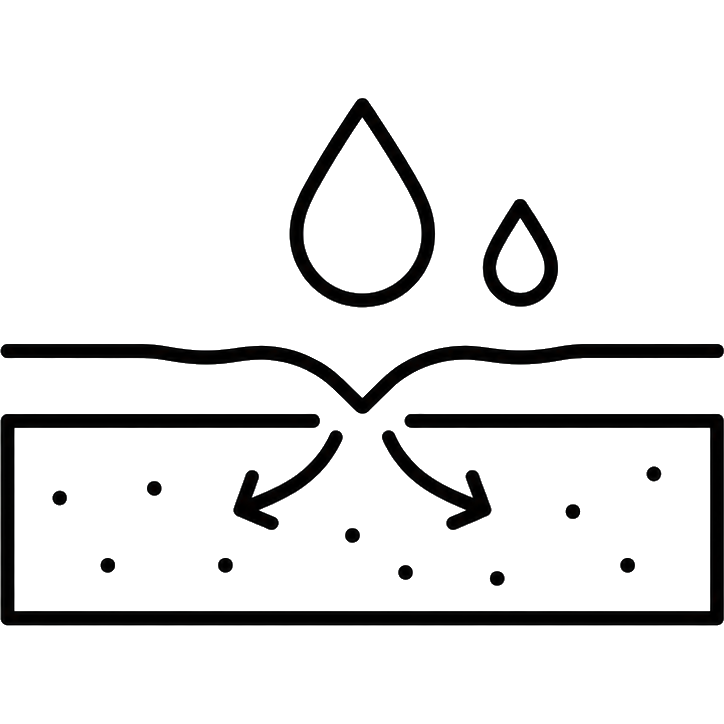
Failed or absent waterproofing membranes on balconies, roofs and wet areas allow water to saturate the concrete slab continuously, accelerating deterioration from the inside out.
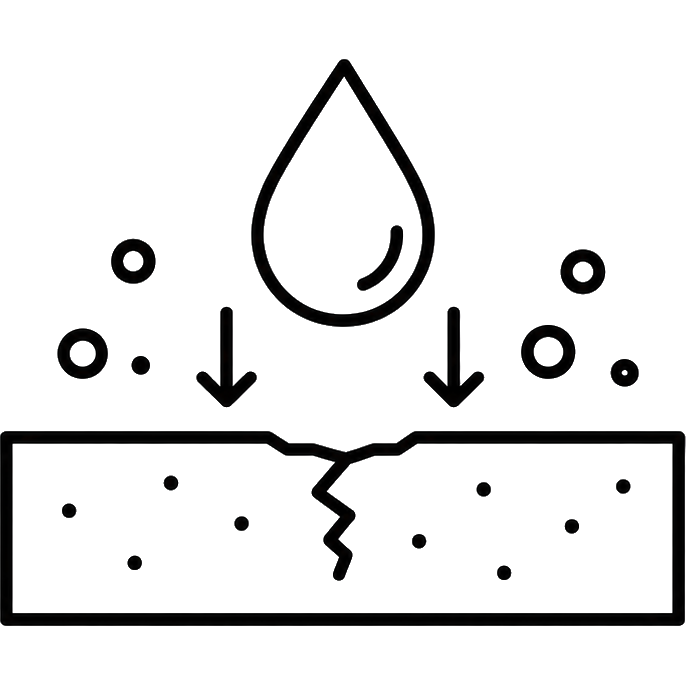





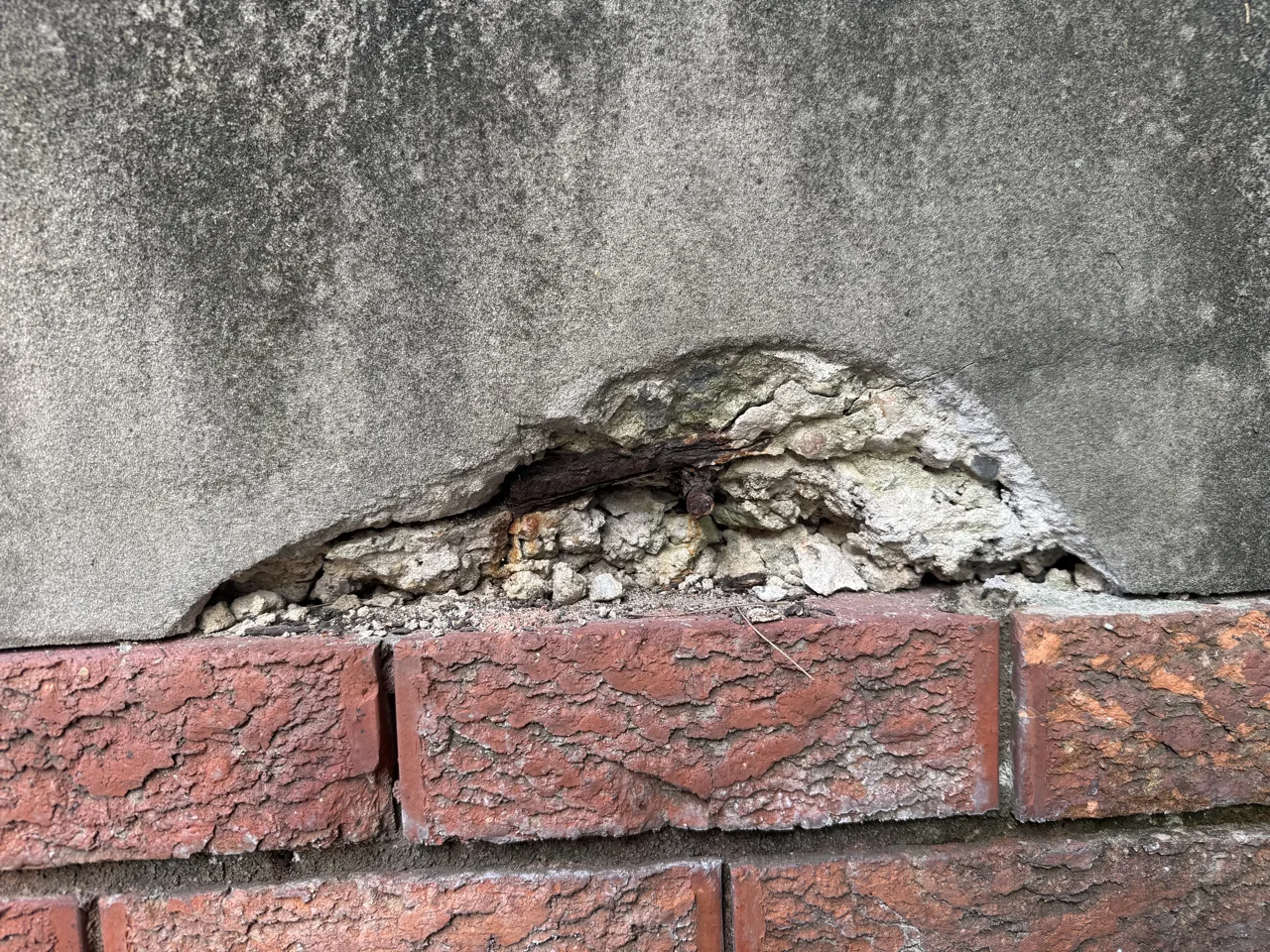
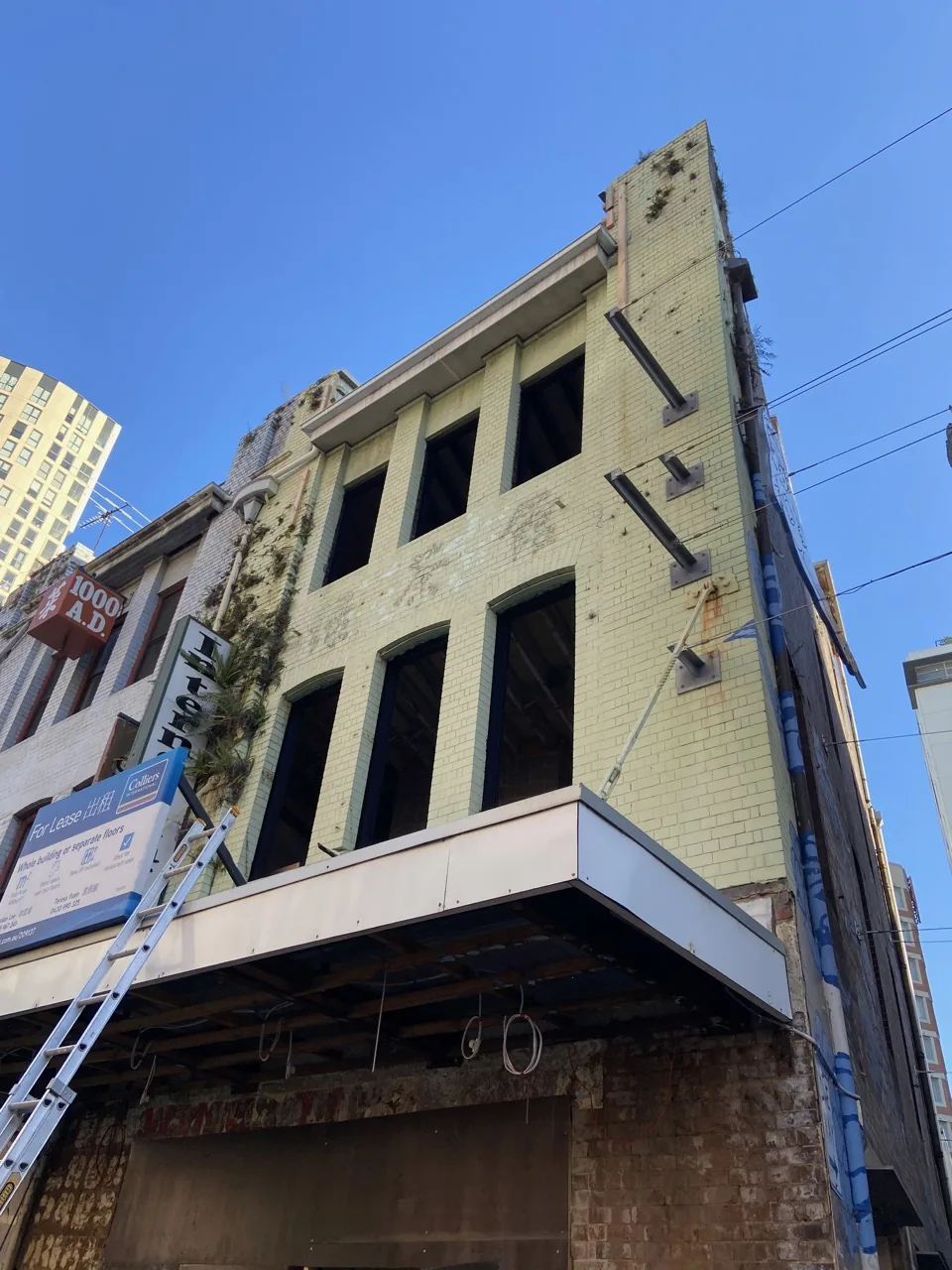
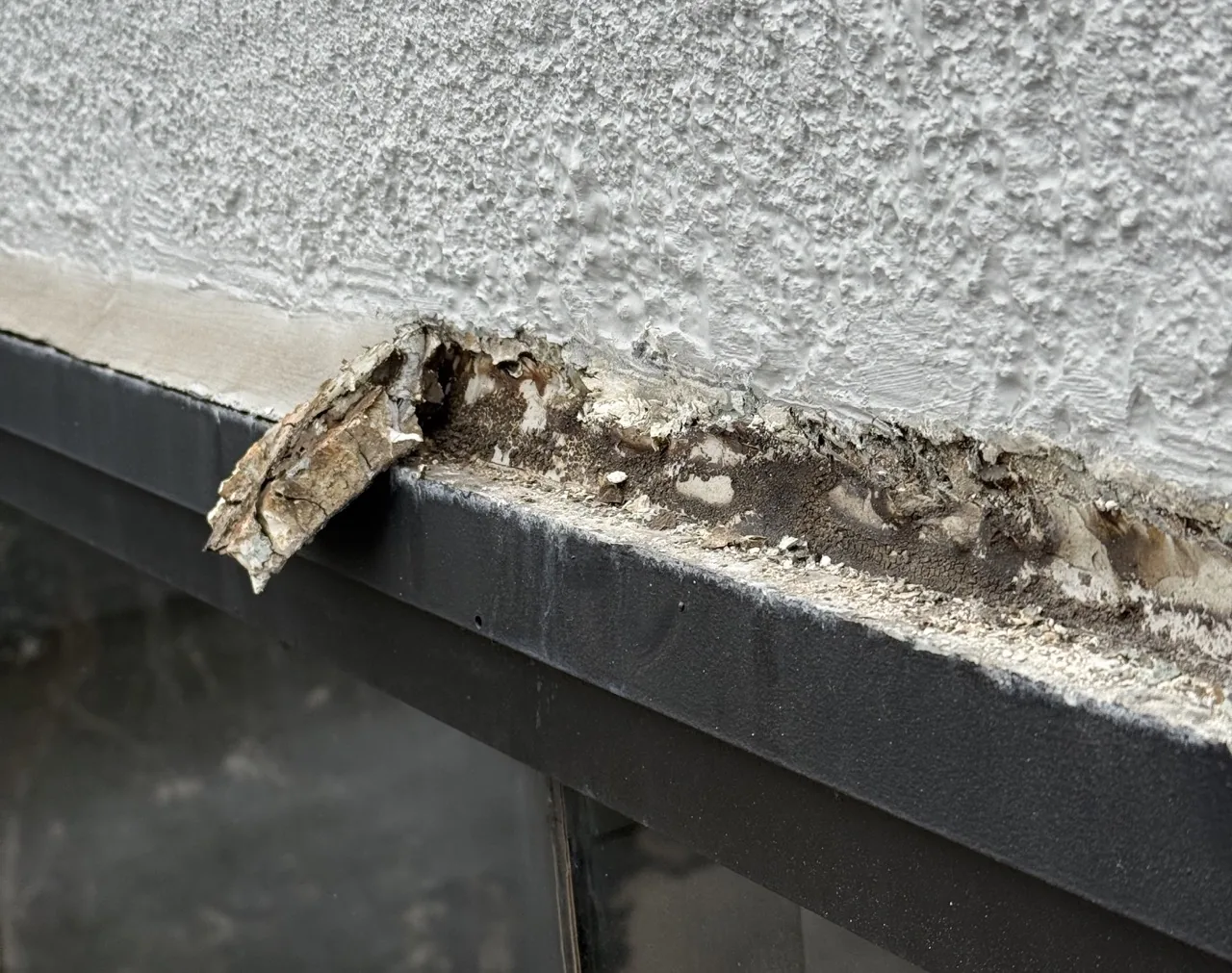
Concrete fracturing and falling away from the structure — a visible sign that rebar corrosion has reached critical stage.
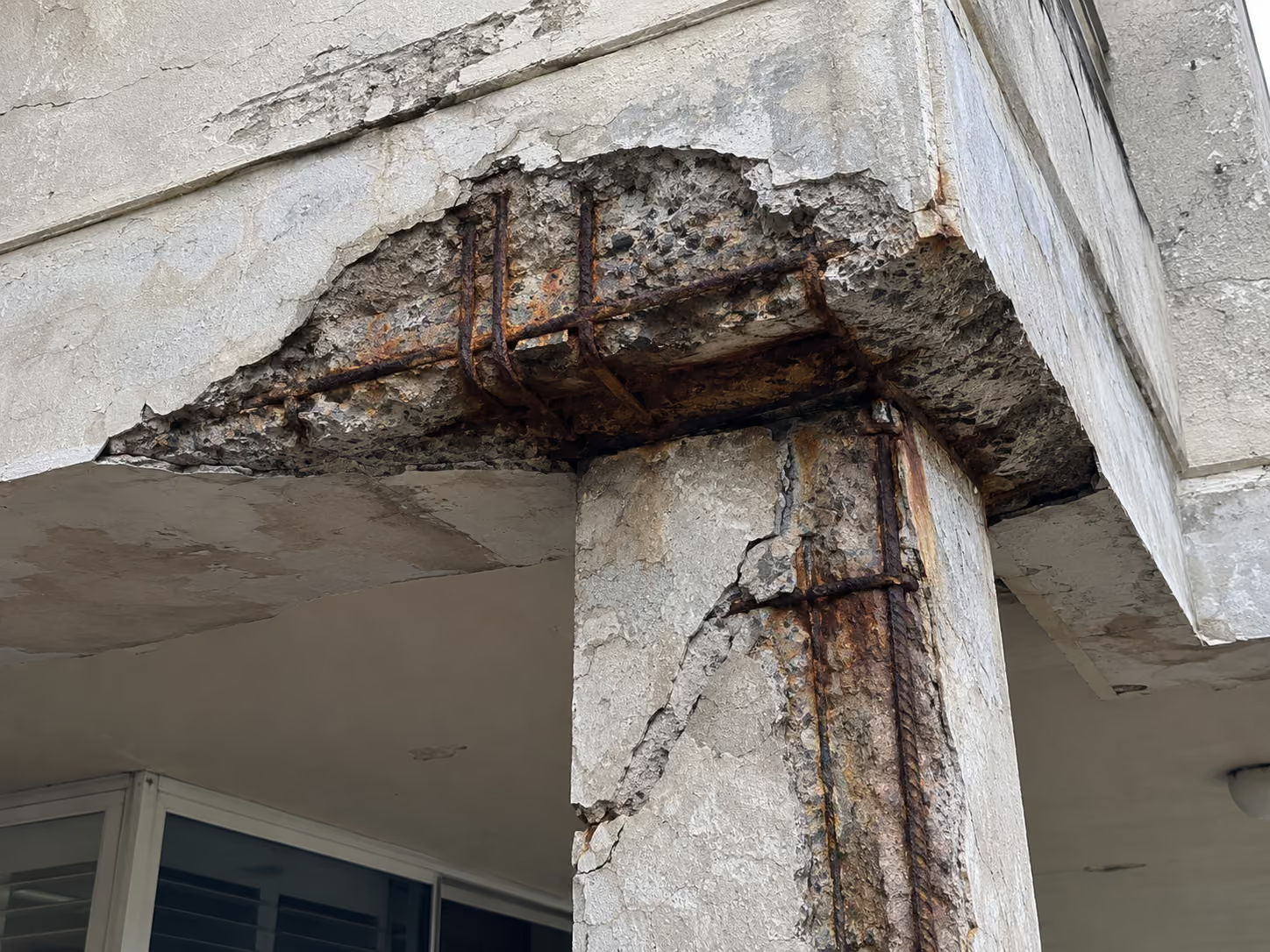
Exposed rebar is actively corroding and expanding — accelerating further concrete breakdown with every rainfall.

Surface rust staining signals active corrosion beneath — the rebar is wet and deteriorating inside the concrete.
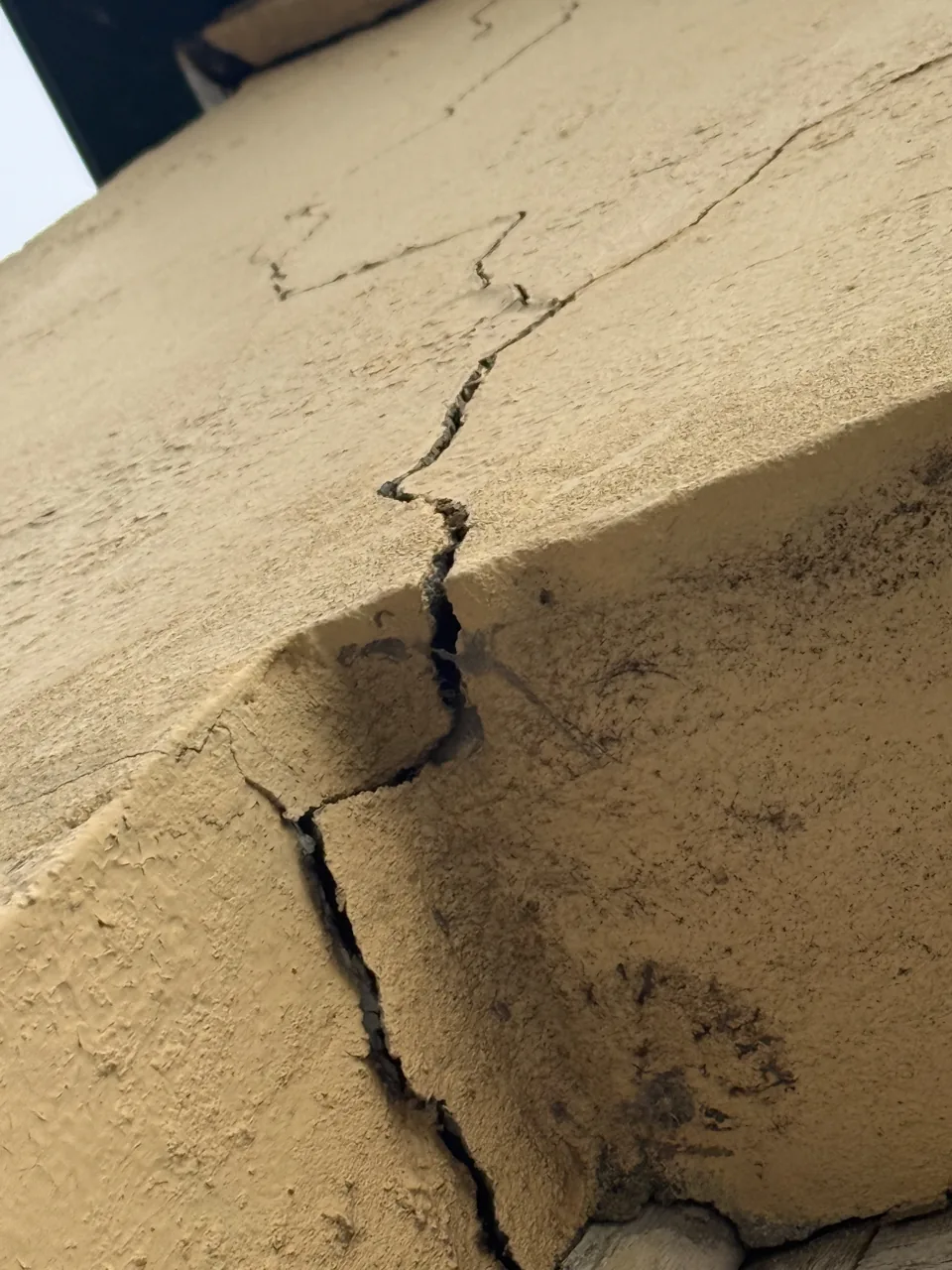
Crack patterns on concrete elements indicate internal stress from corrosion expansion or structural movement.
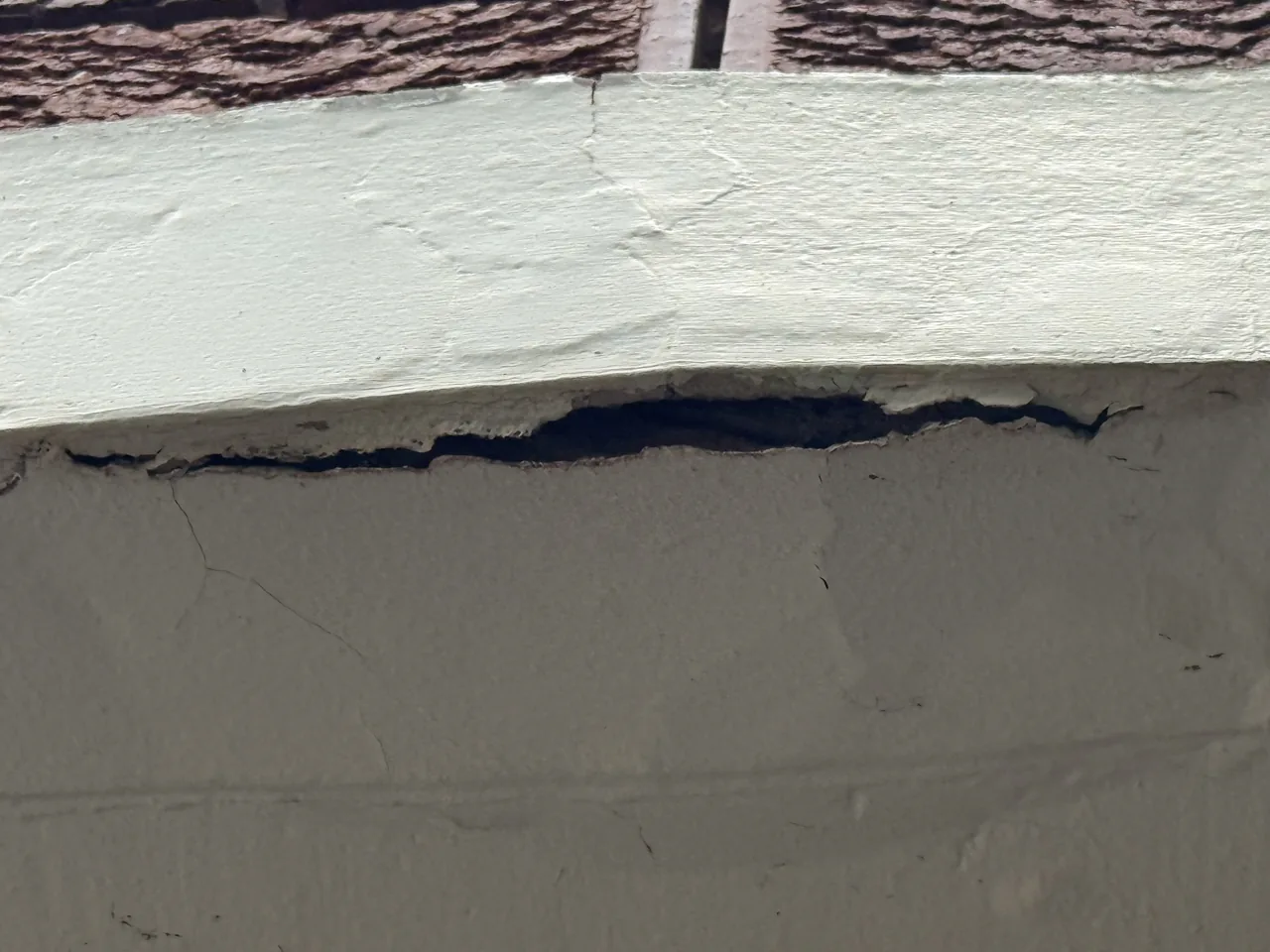
Delaminating concrete is a falling hazard and indicates complete adhesion failure between the repair layer and substrate.






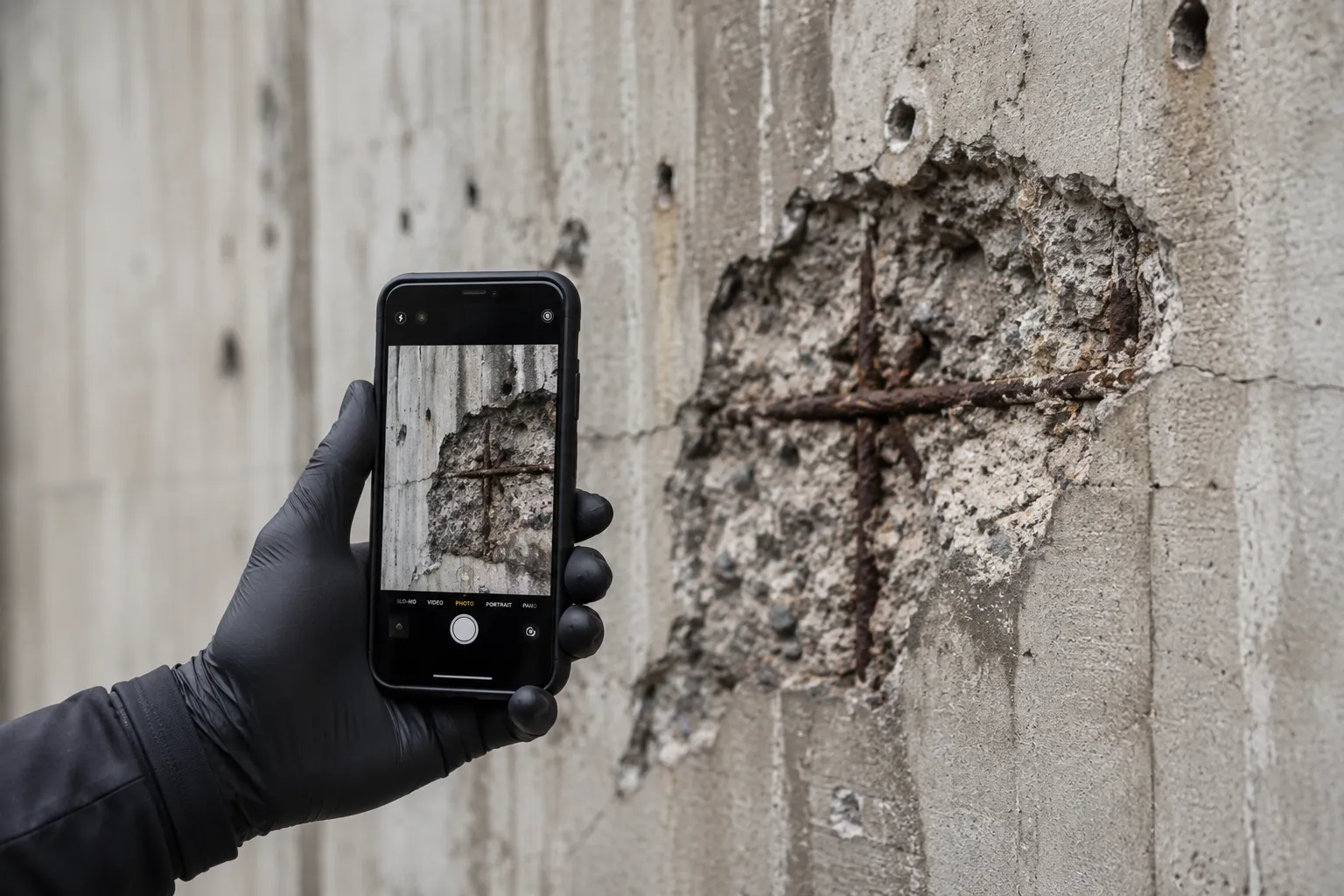
Through building inspections, condition assessments, defect reporting and maintenance recommendations.
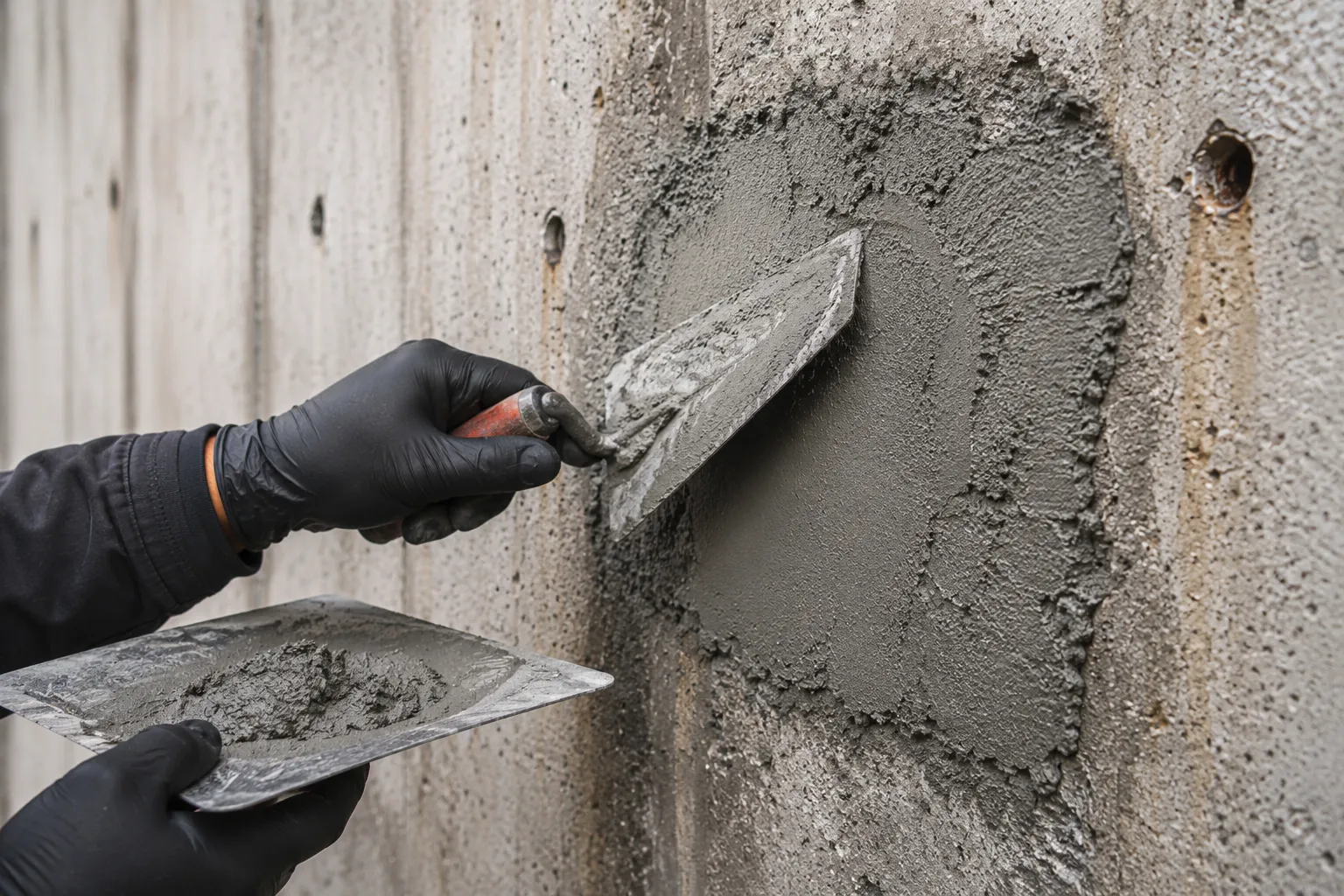
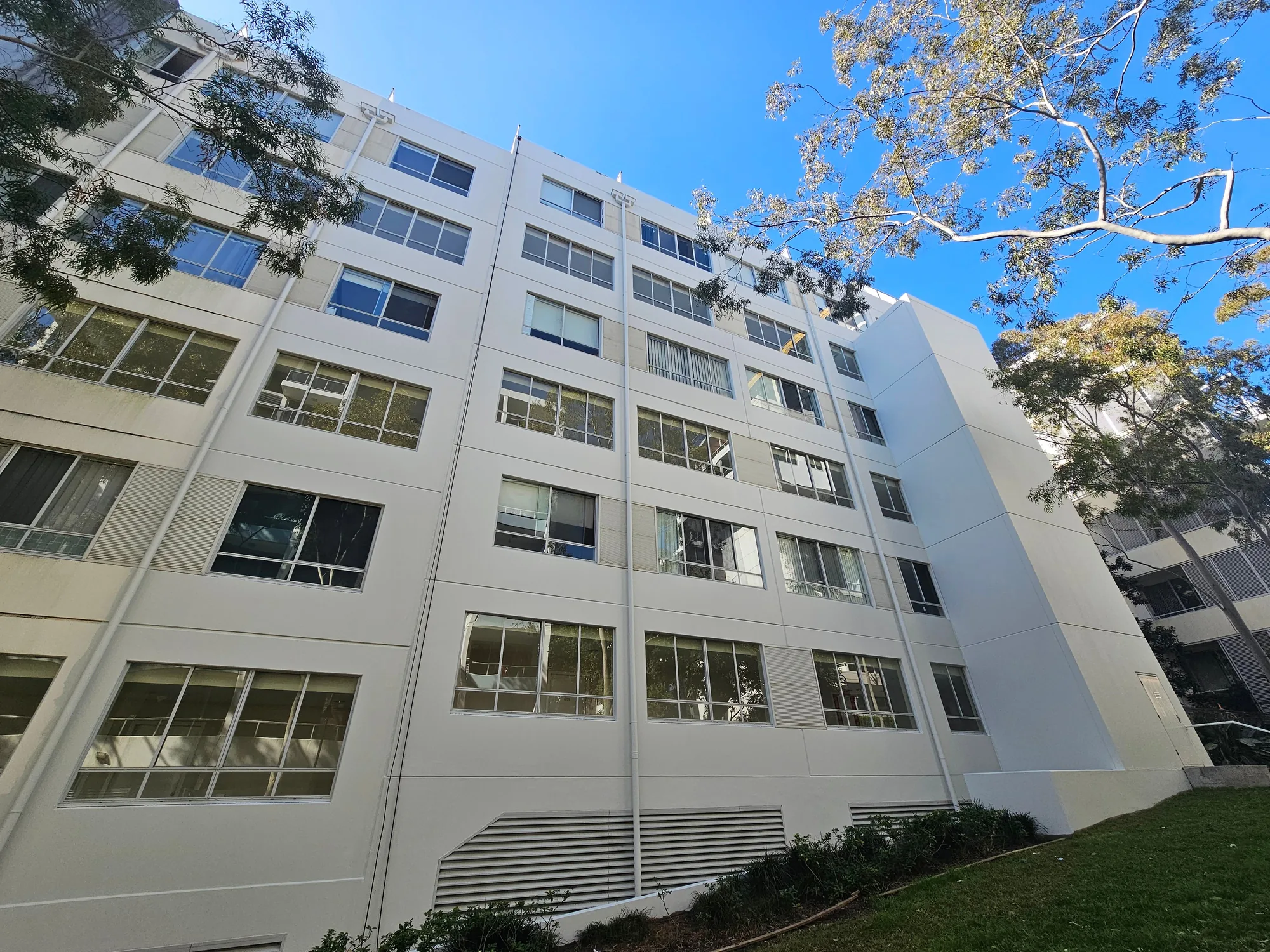
Concrete repairs, remedial works, sealant replacement, crack repairs and façade restoration.

Painting, protective coatings and waterproofing systems to preserve and extend your asset life.
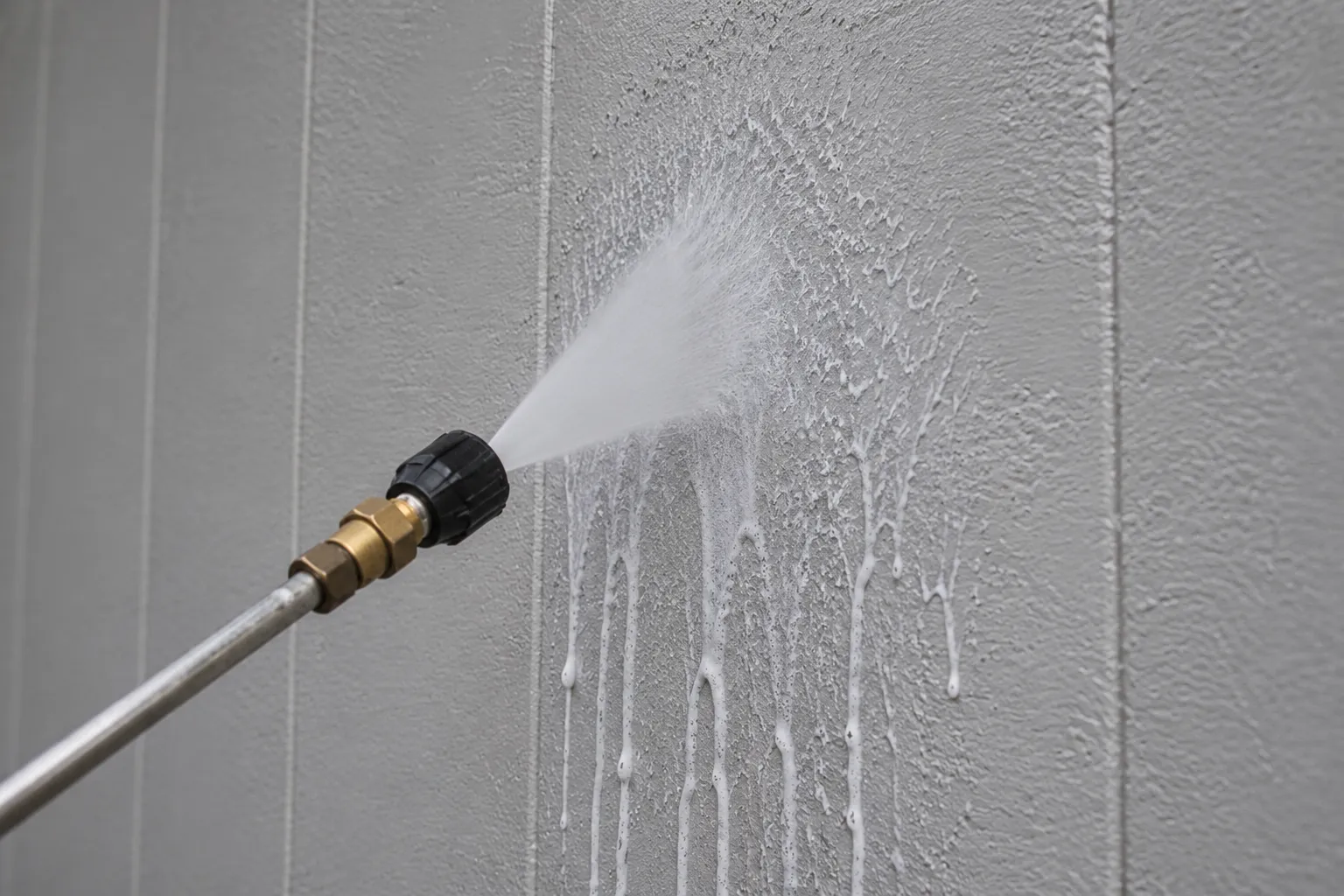
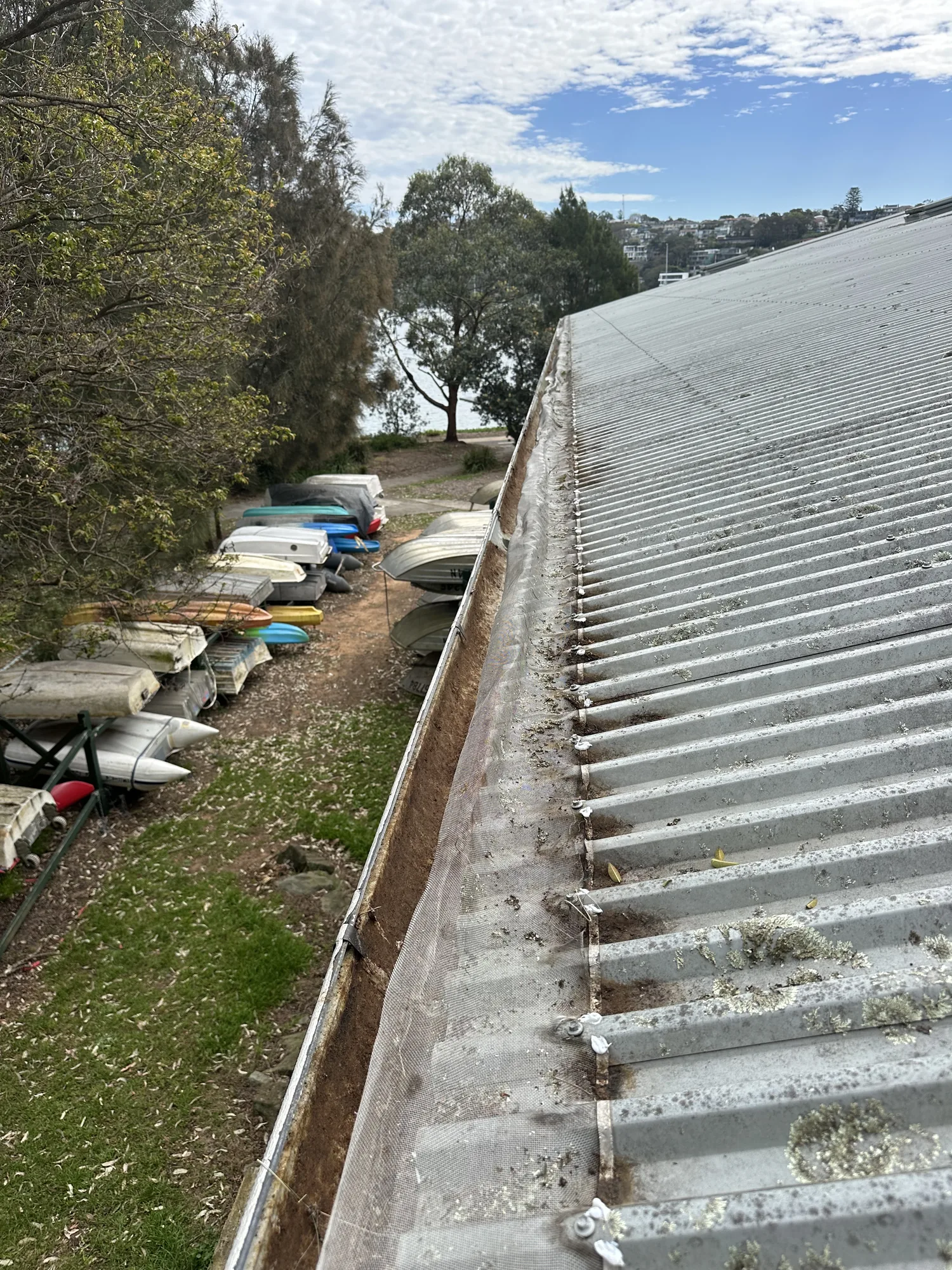
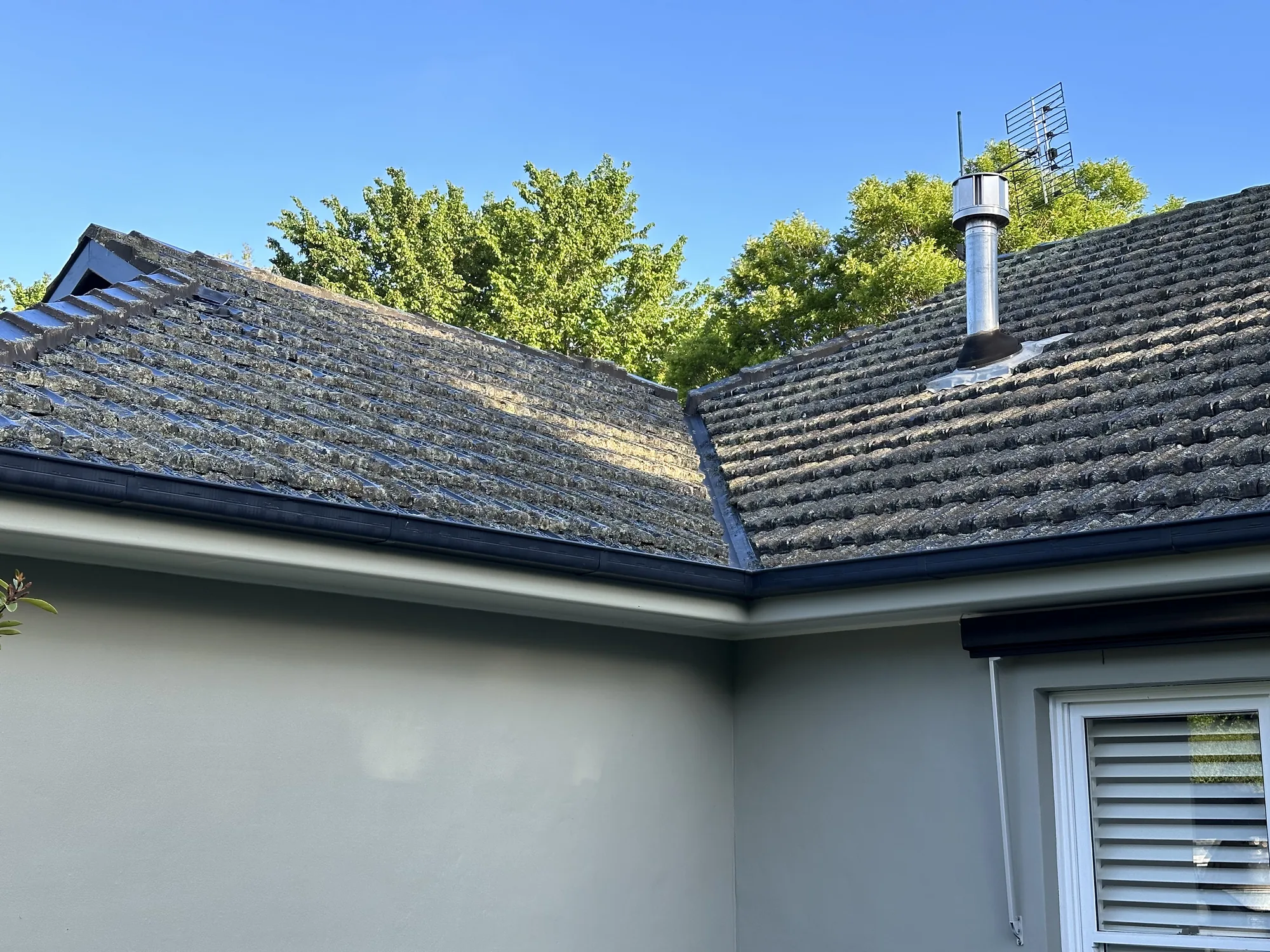
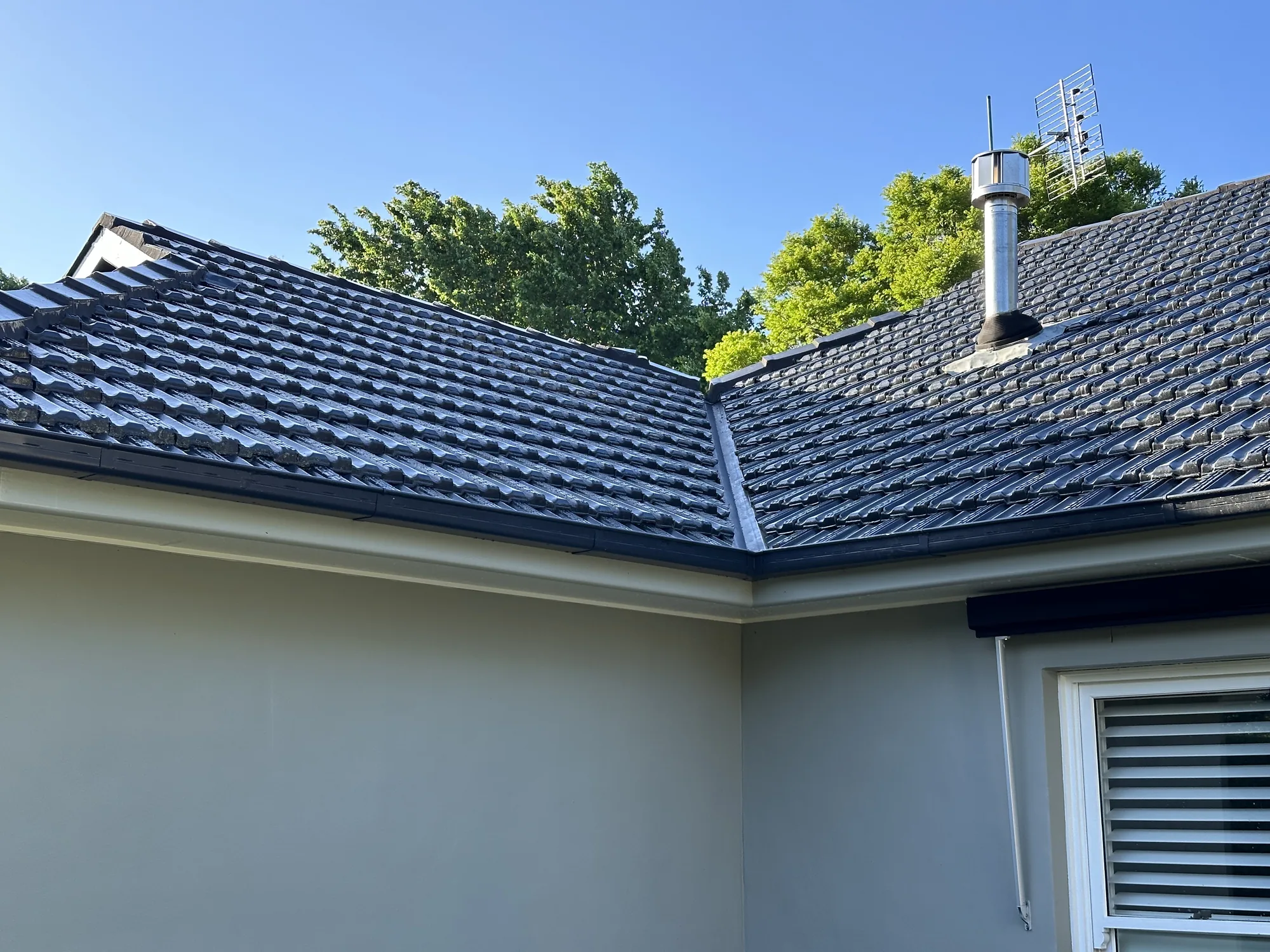
Planned building washing, window cleaning, anchor testing, preventative maintenance and ongoing care.


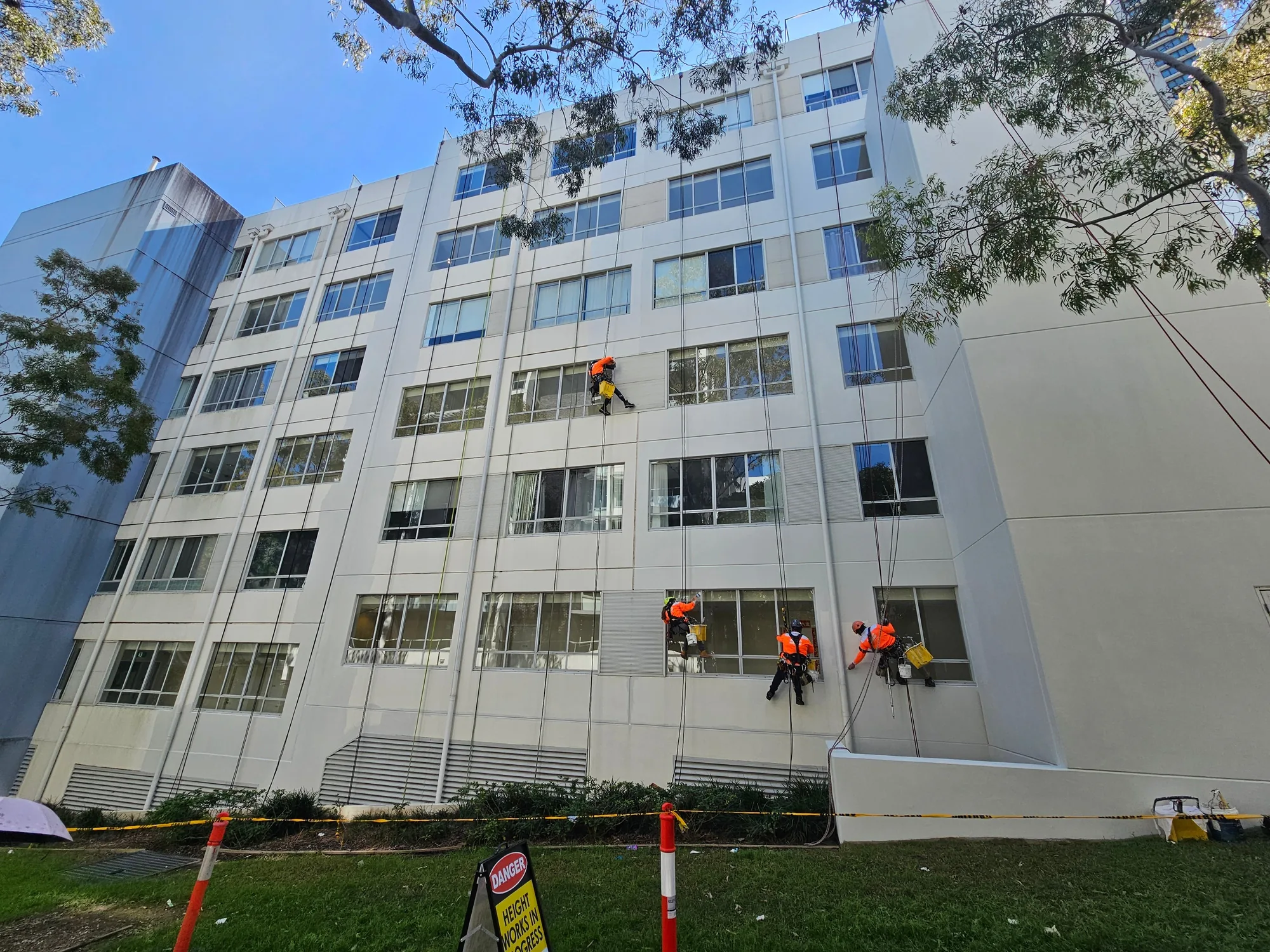
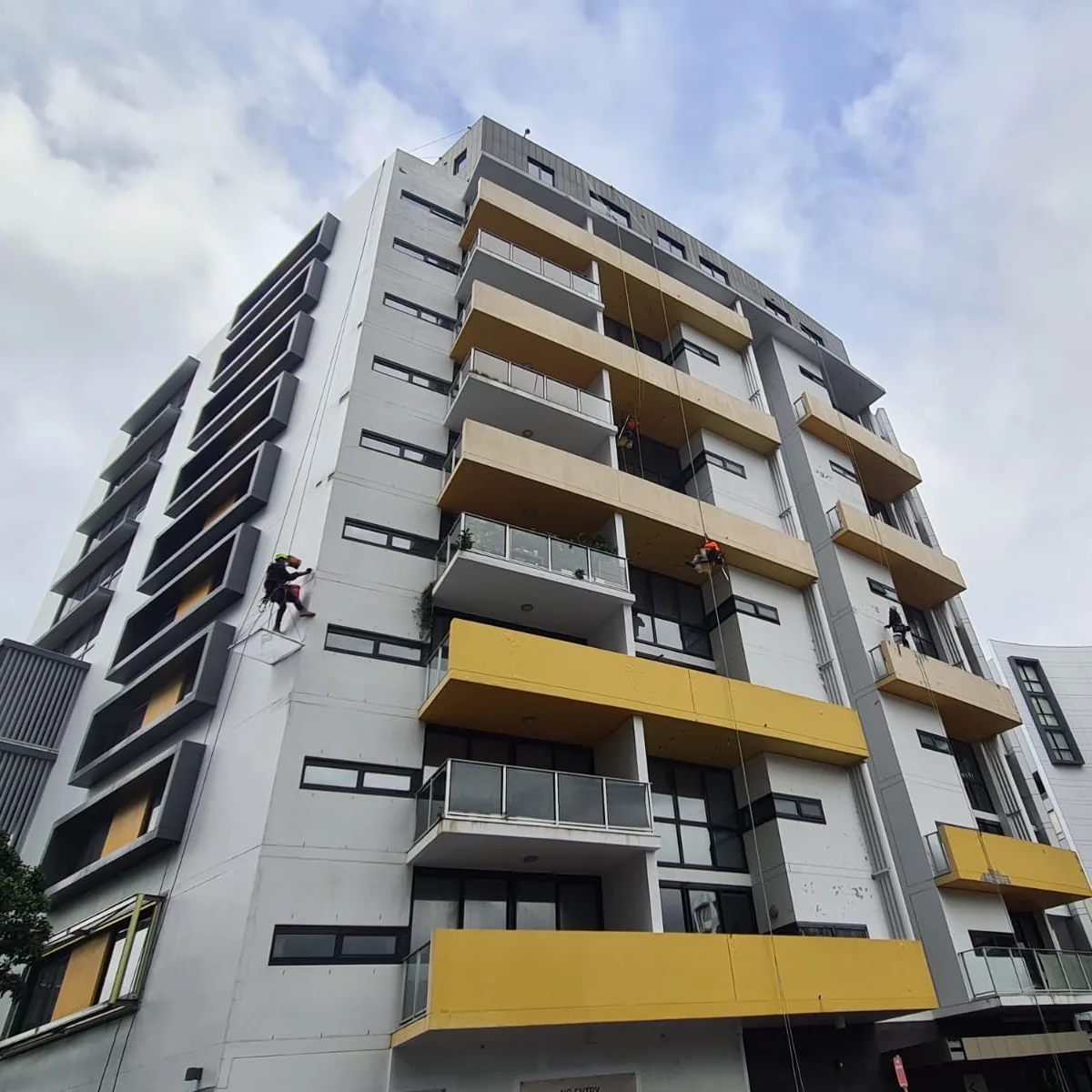
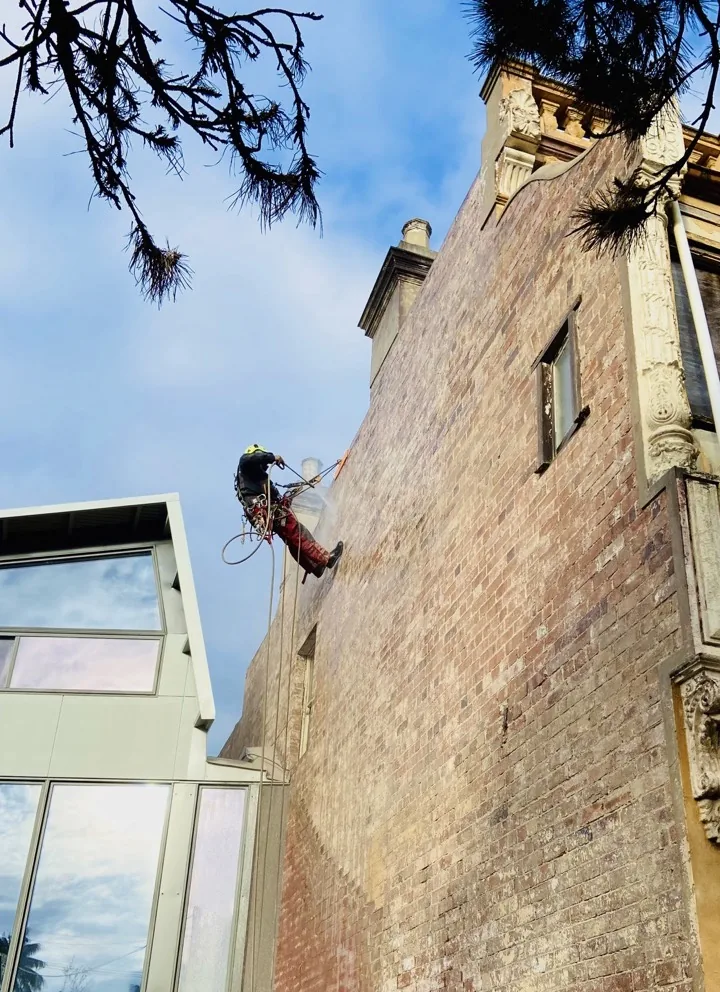
Whether a project requires rope access, EWP access, ladders or ground-based access, we use the safest and most efficient method to complete painting, remedial and maintenance works.
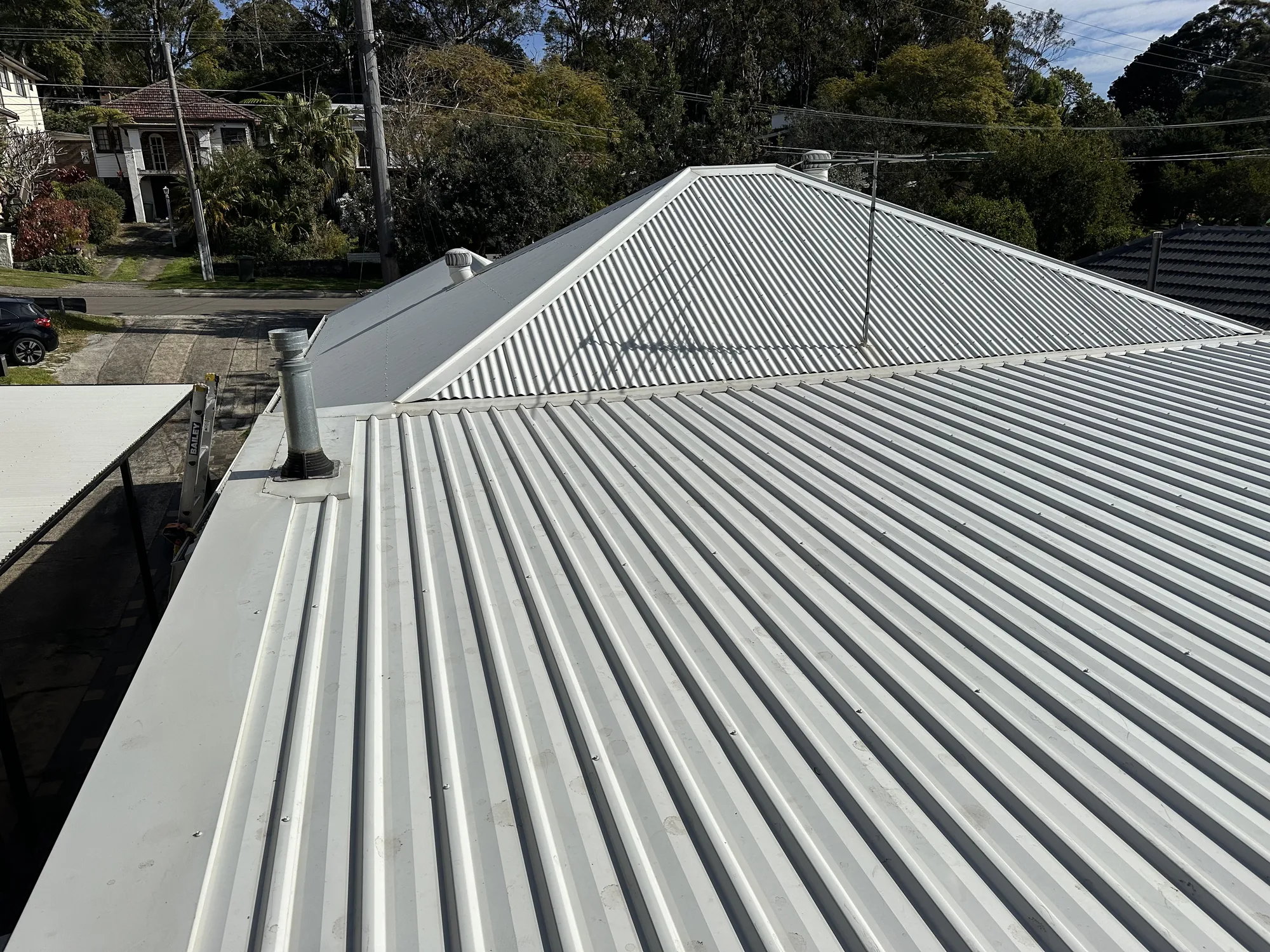
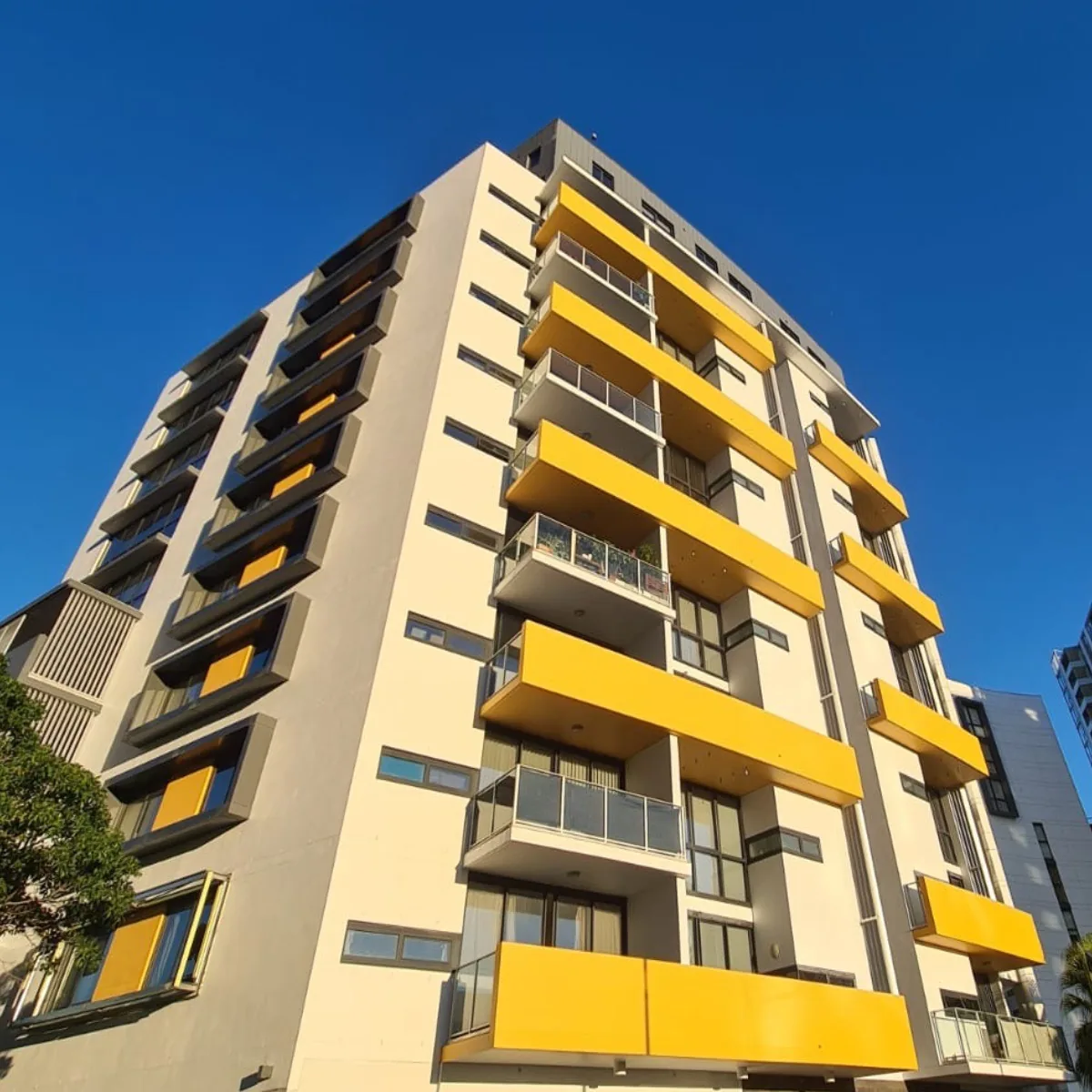
UPKEEP provides rope access painting, facade maintenance, concrete repairs, remedial works, sealant replacement, soft washing, window cleaning, roof cleaning, anchor testing and building inspections throughout Sydney.
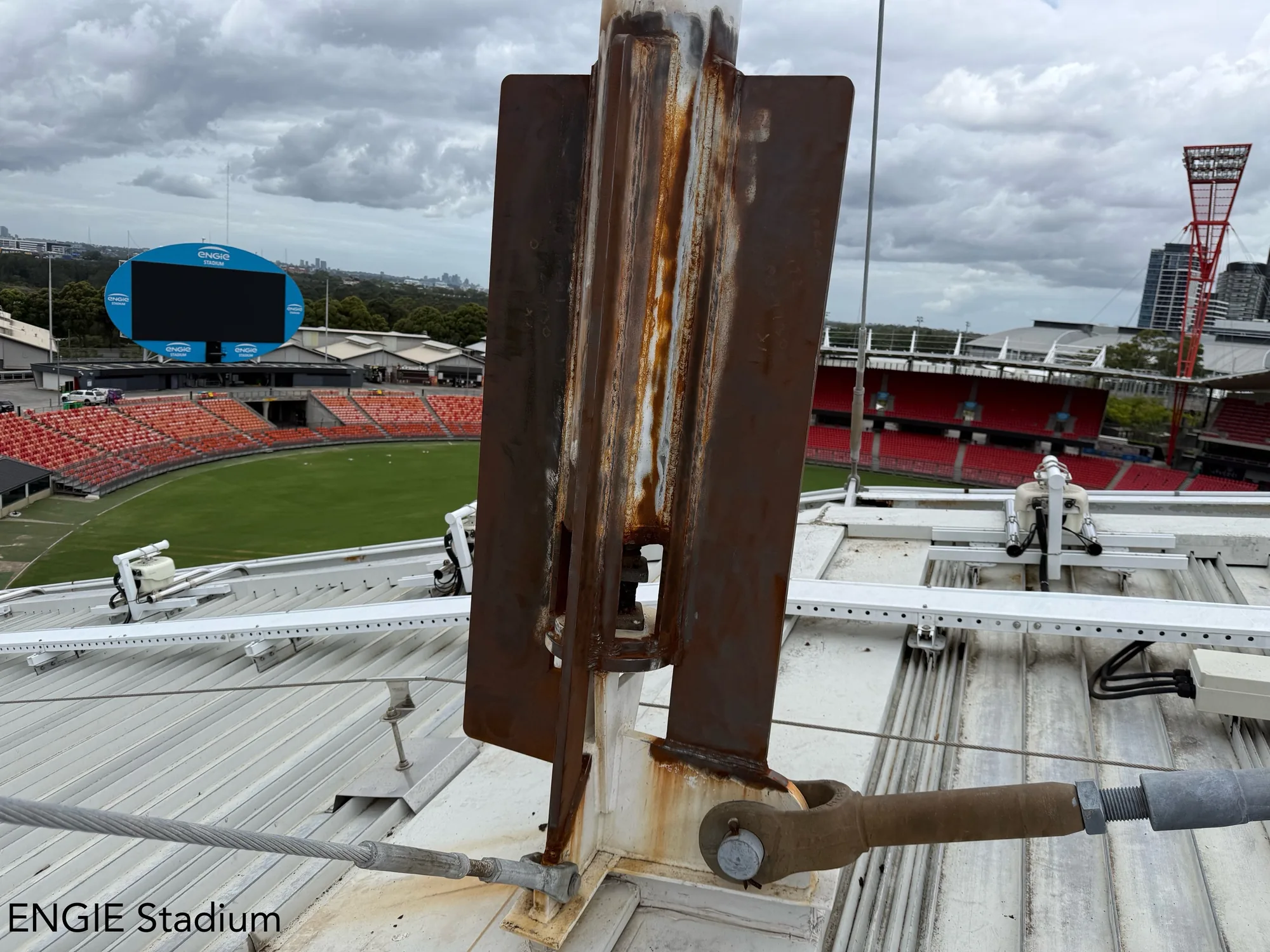

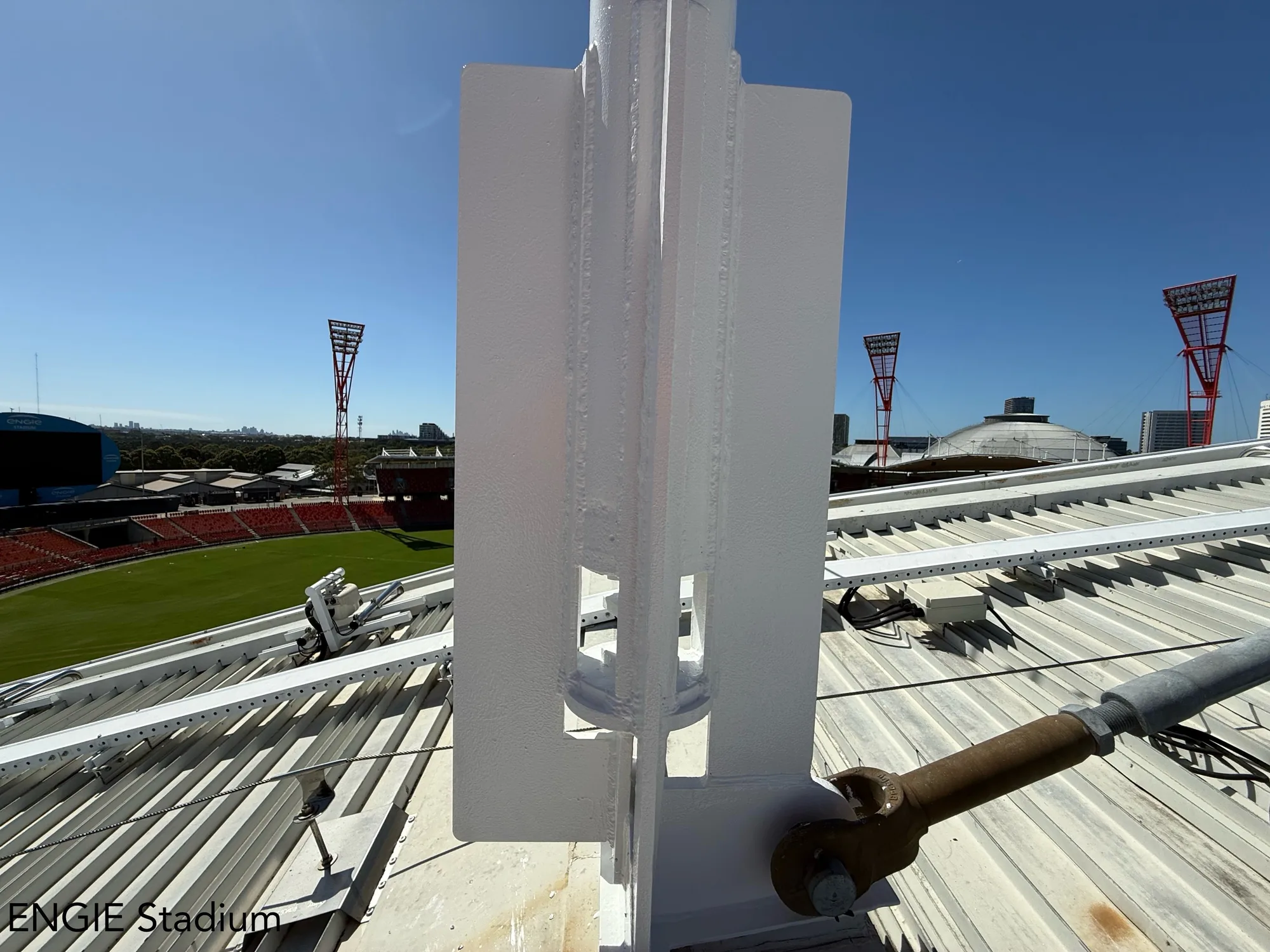

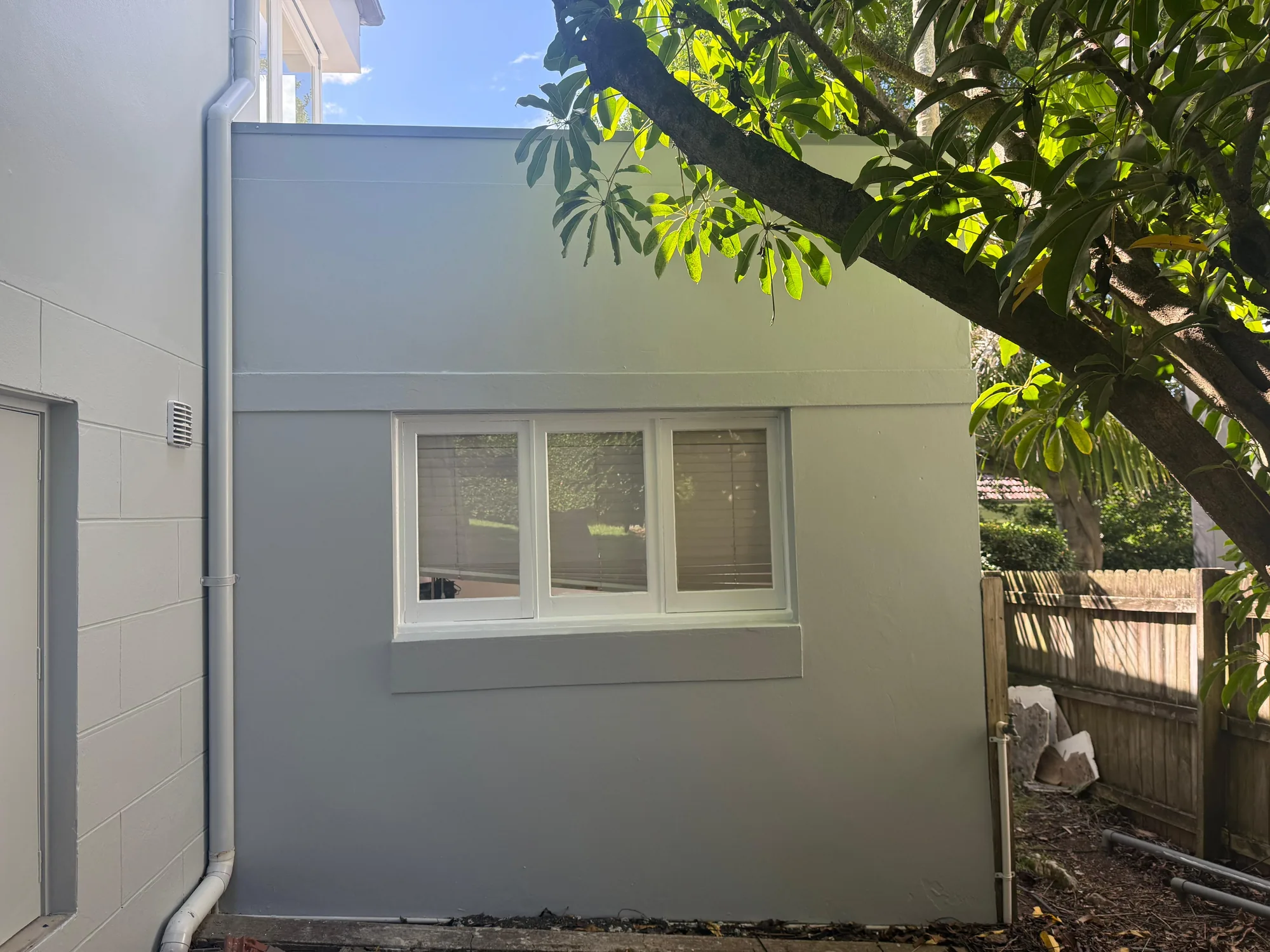
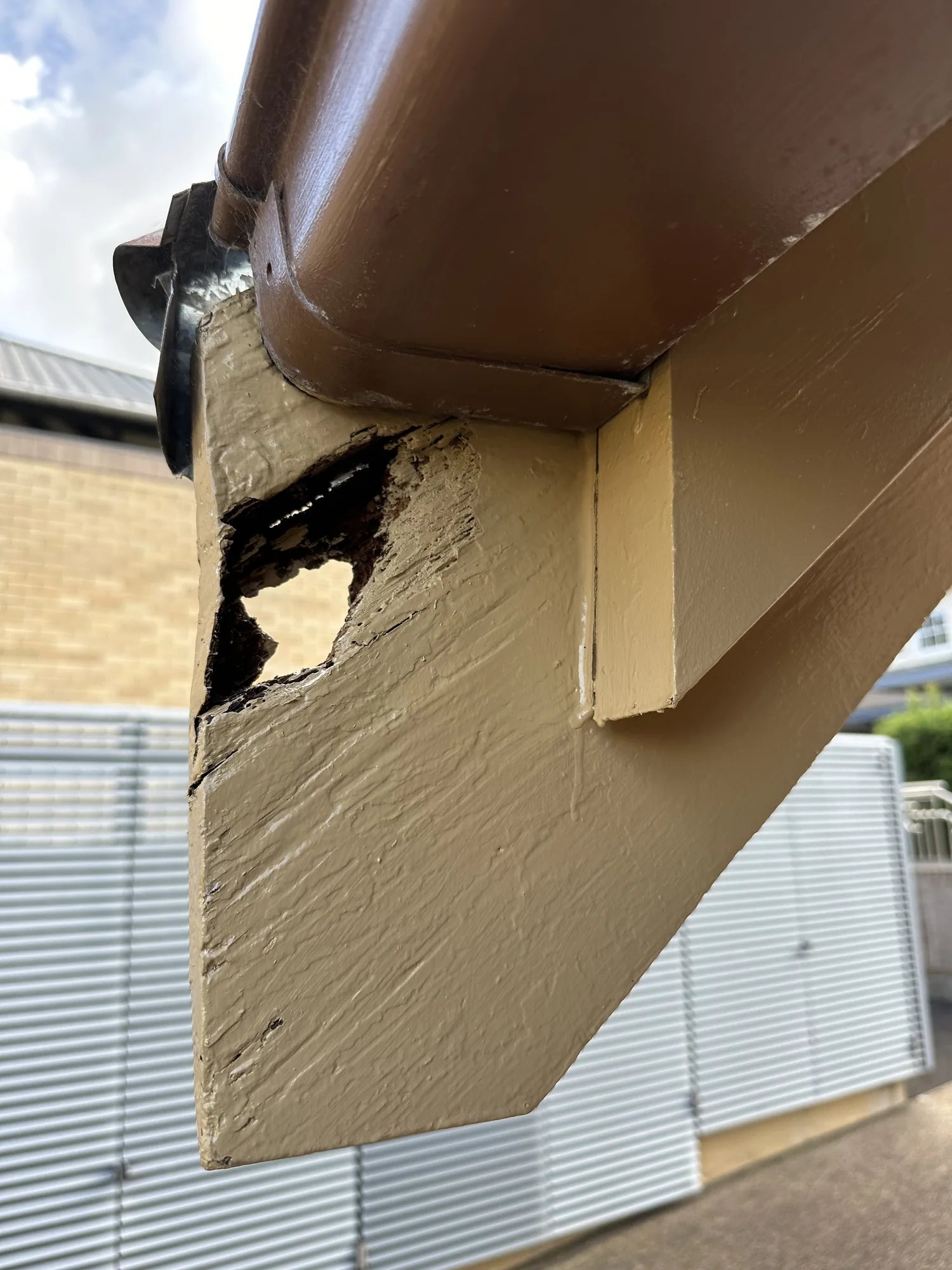
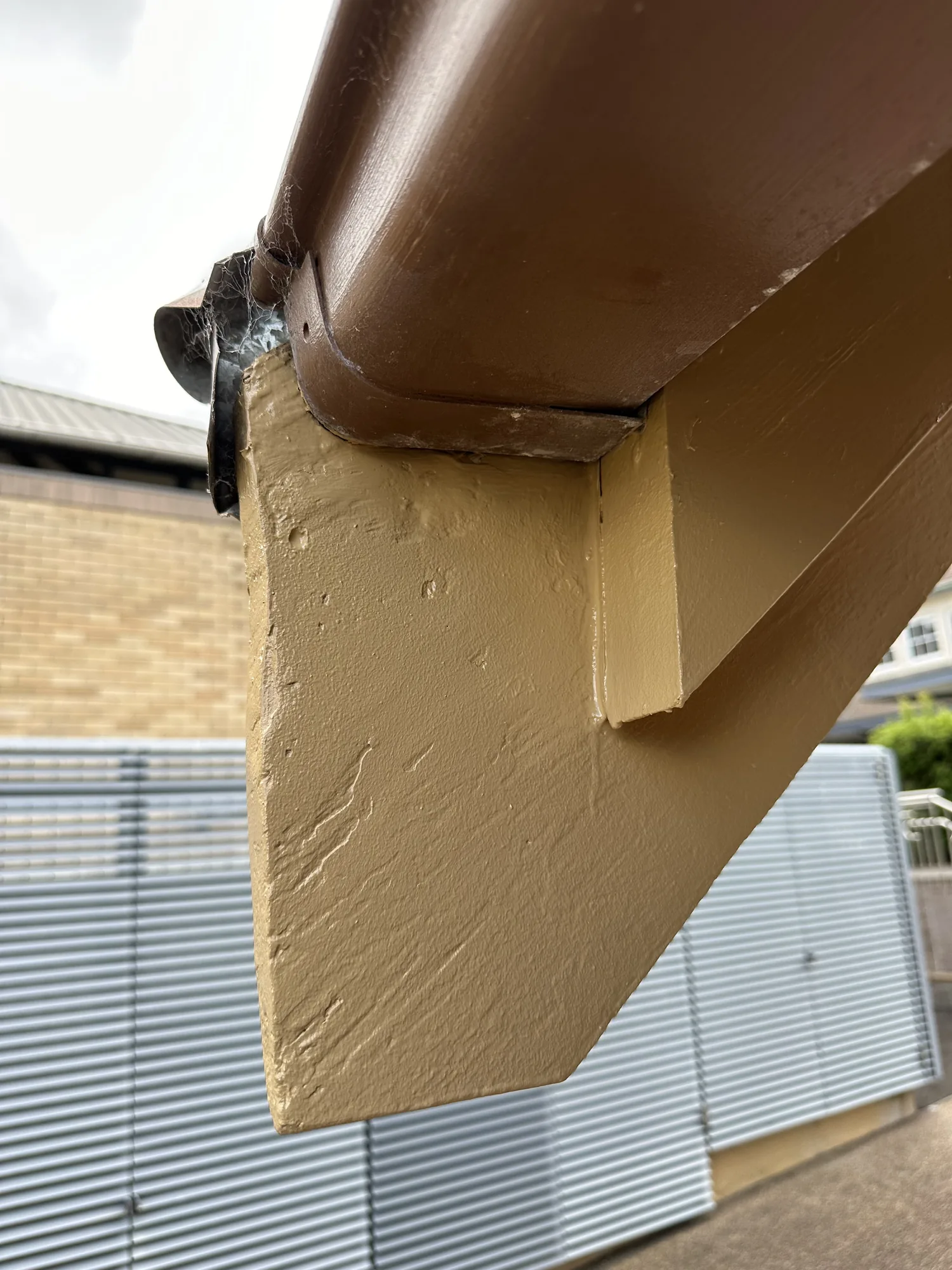
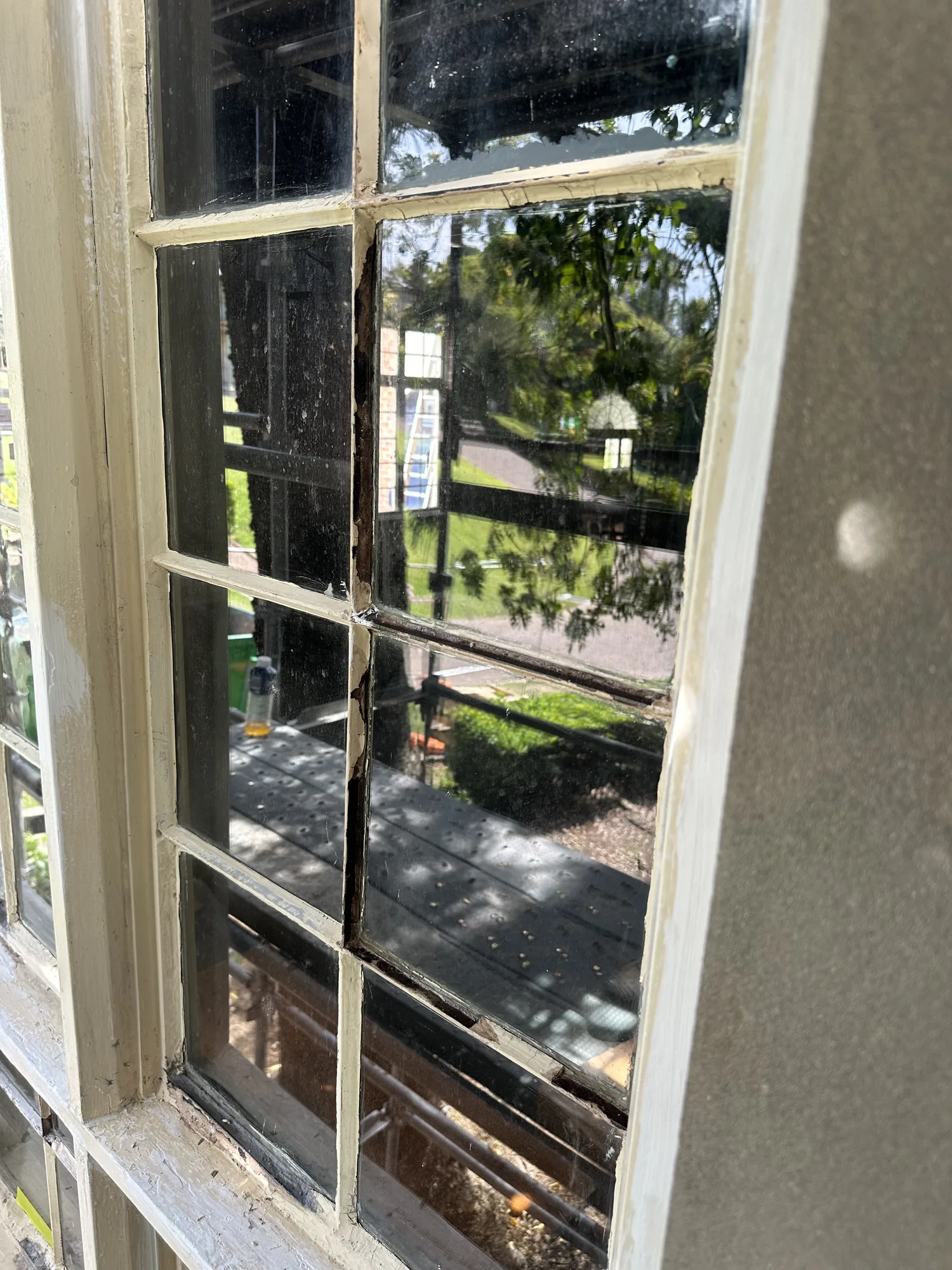
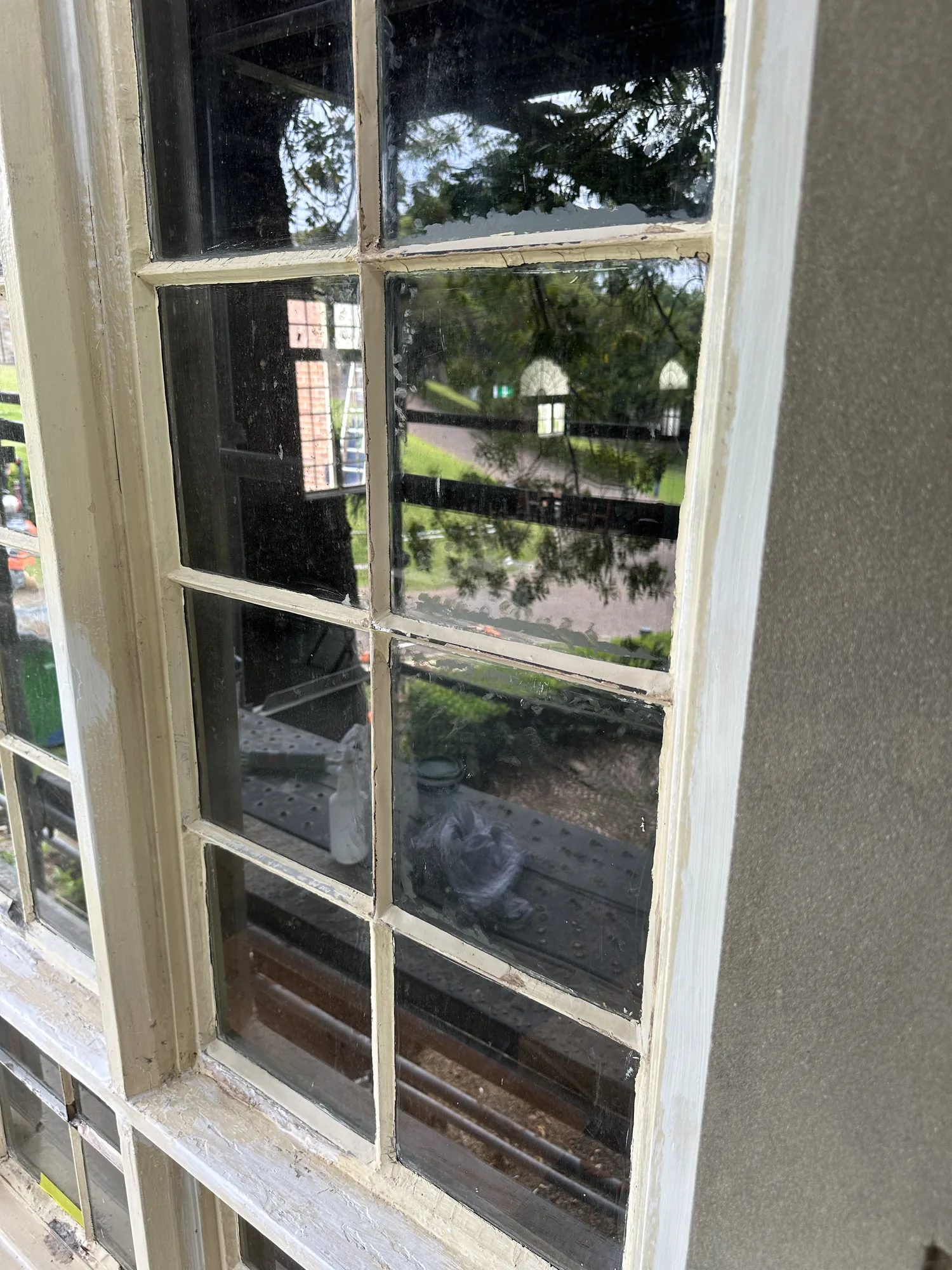
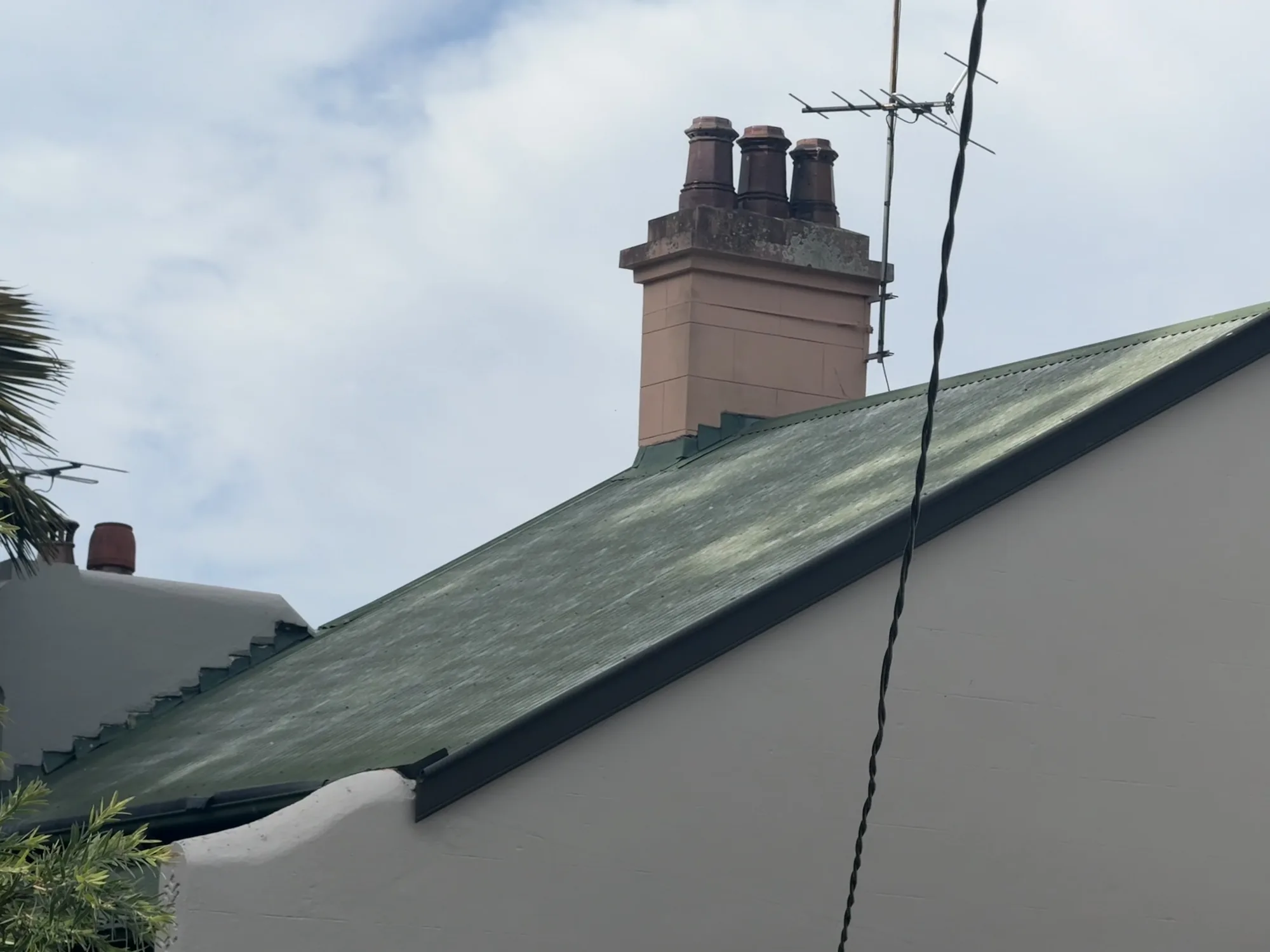




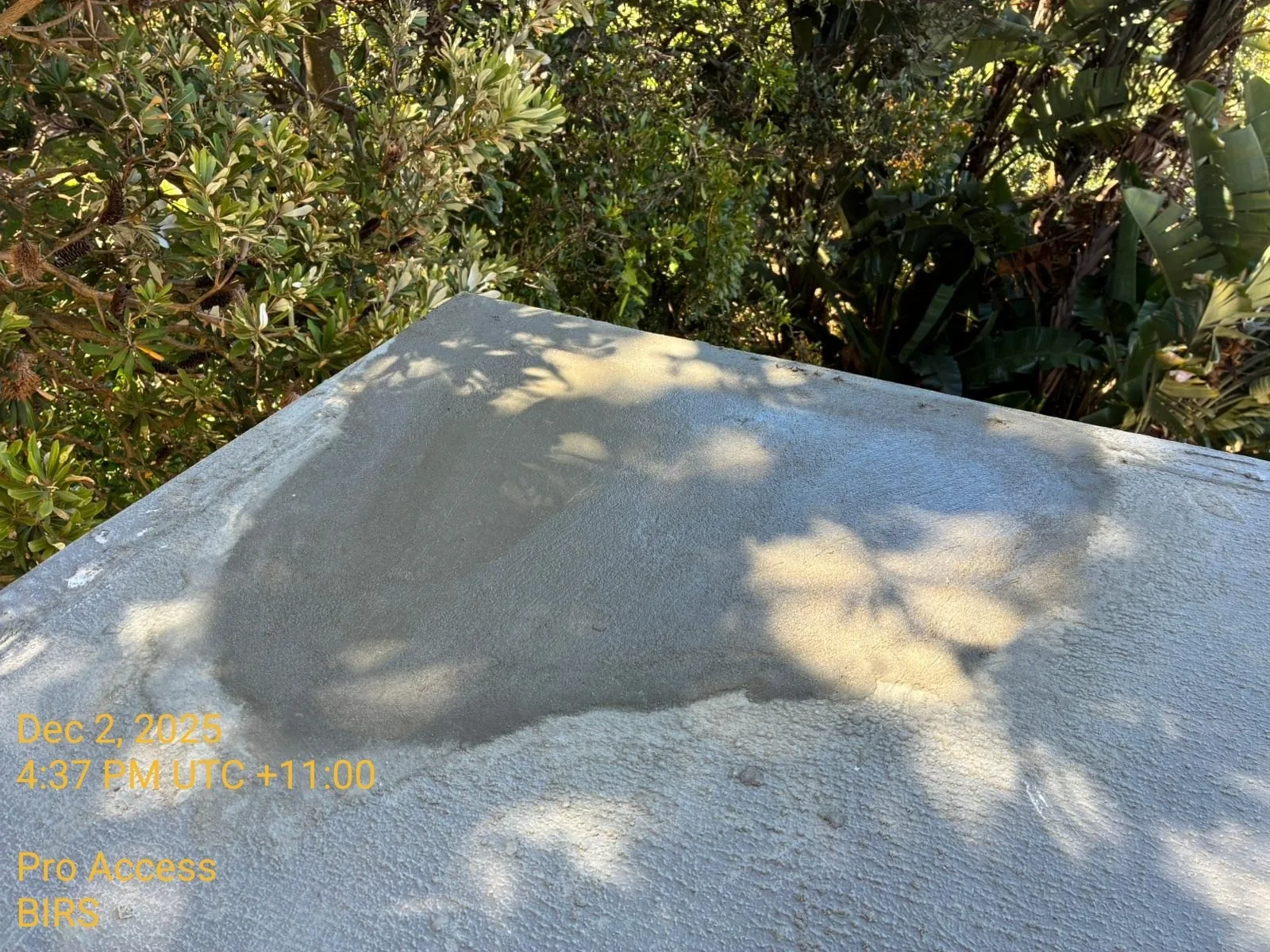





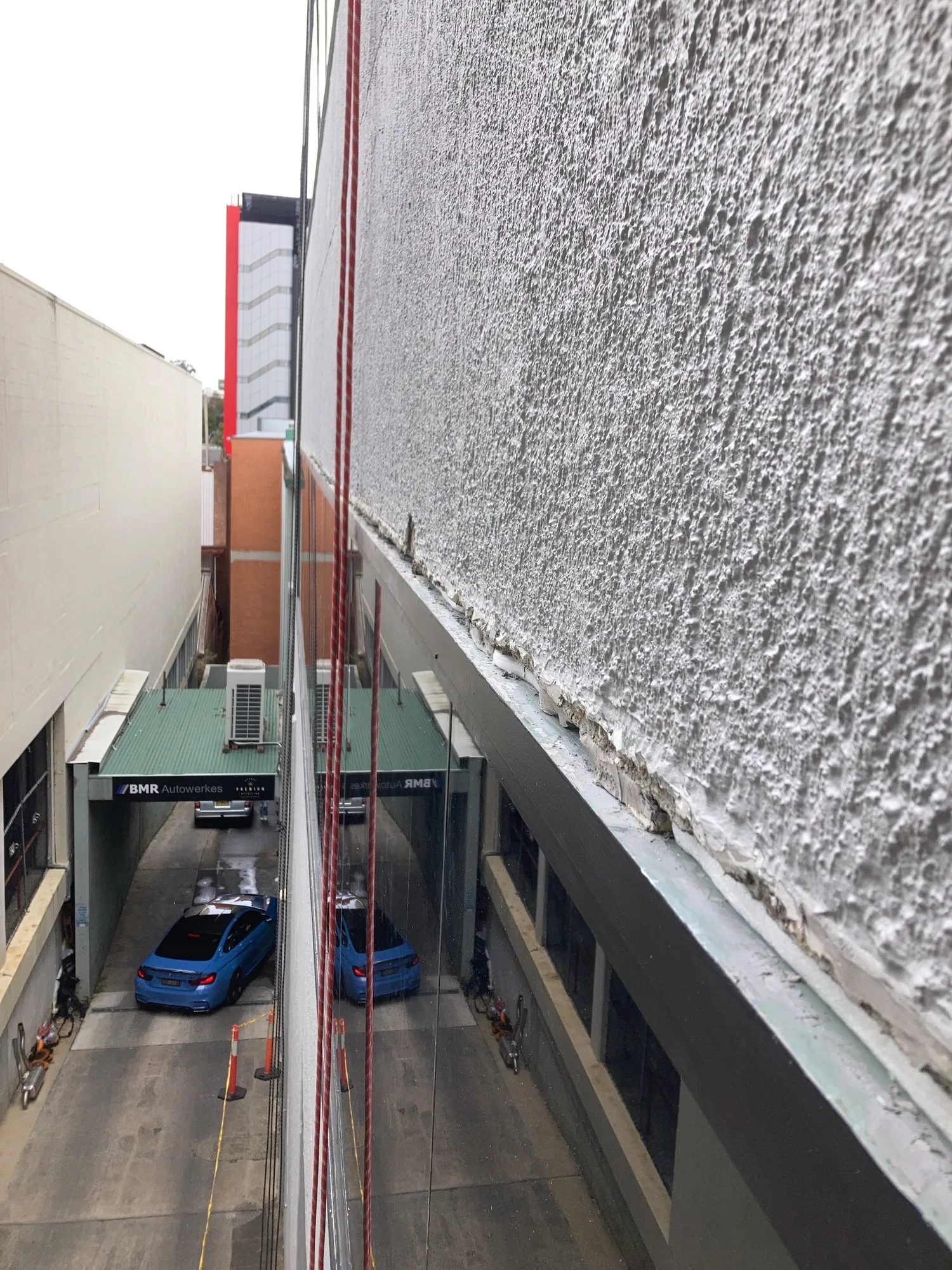

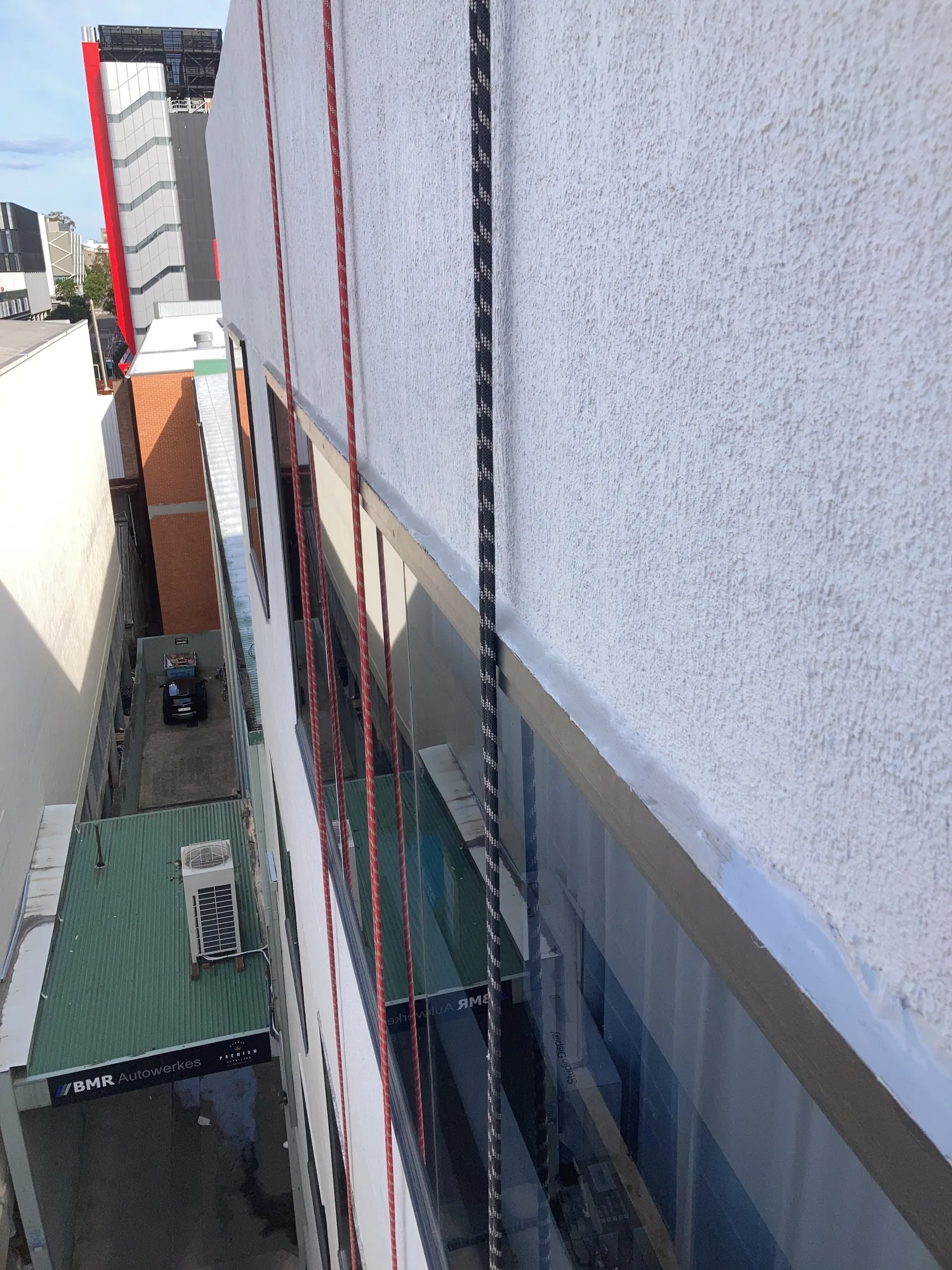

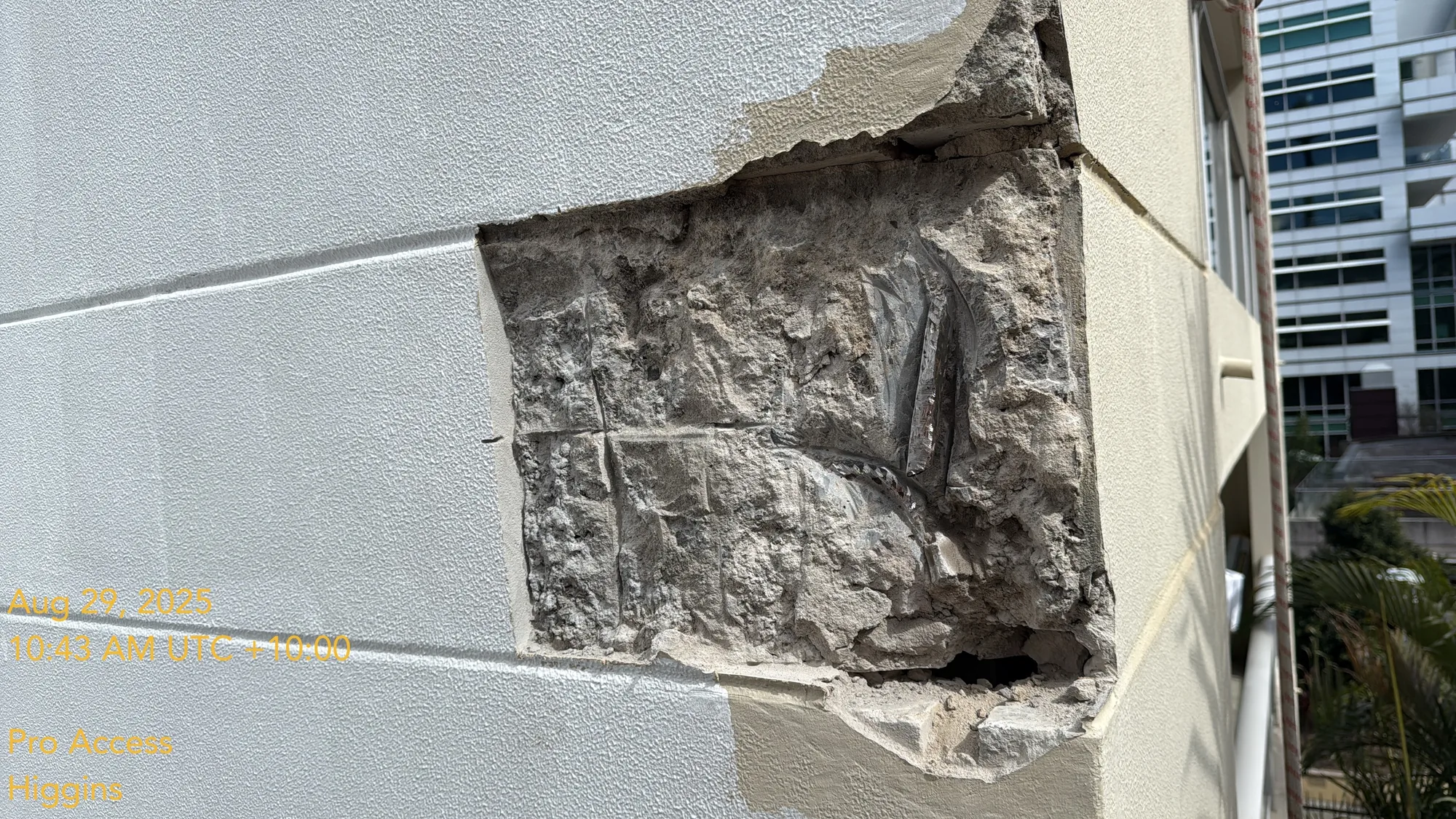

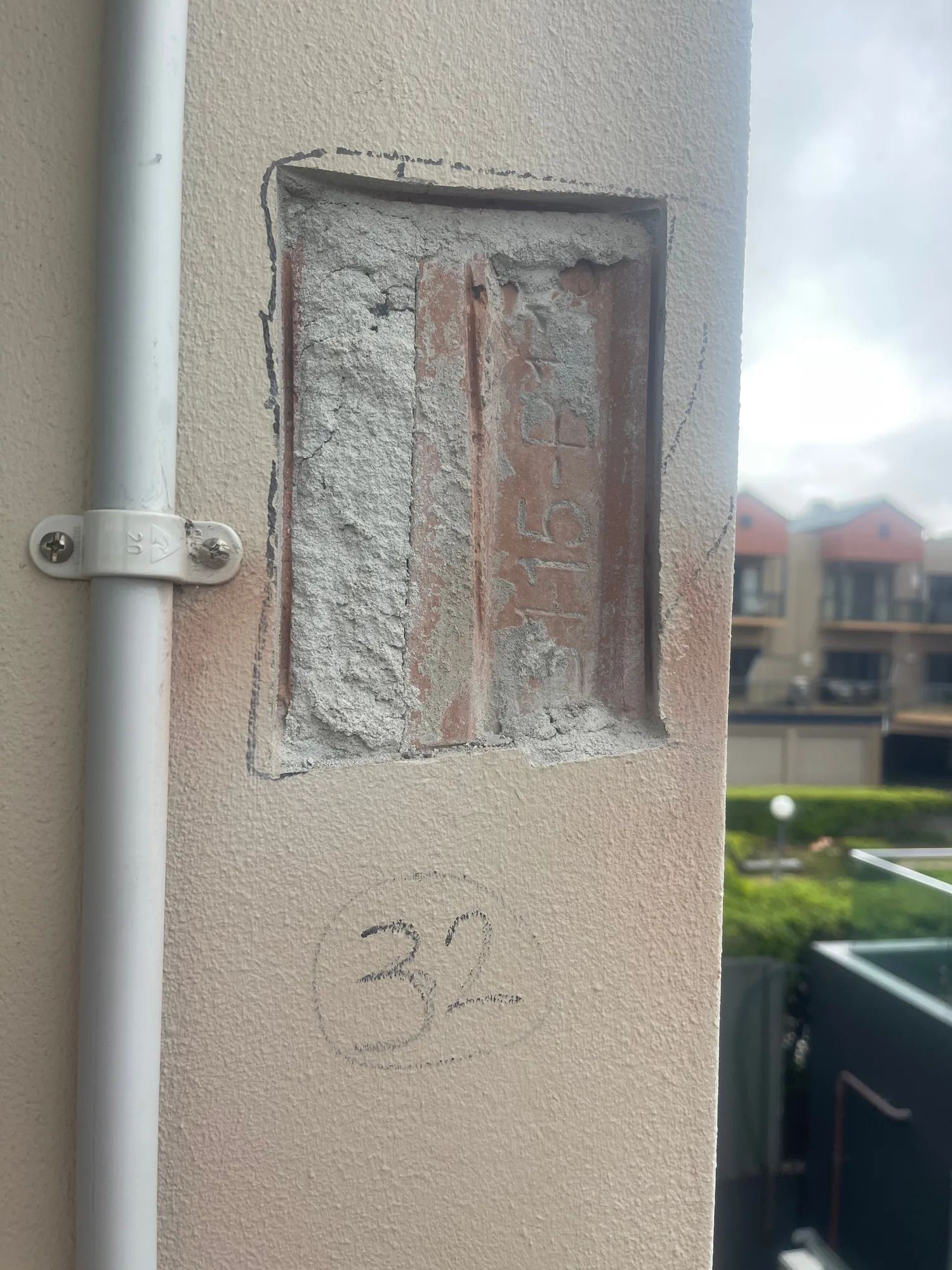
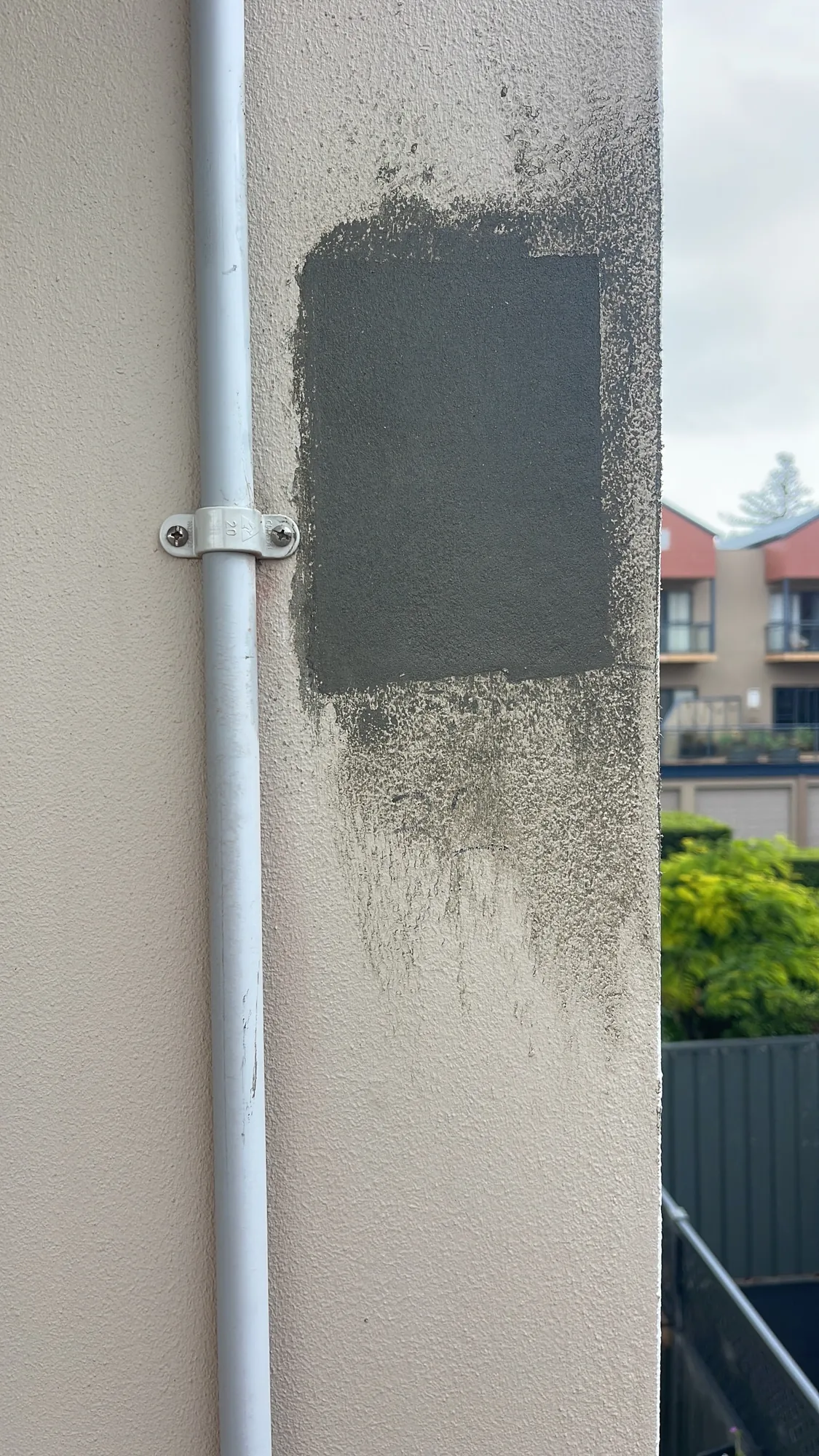





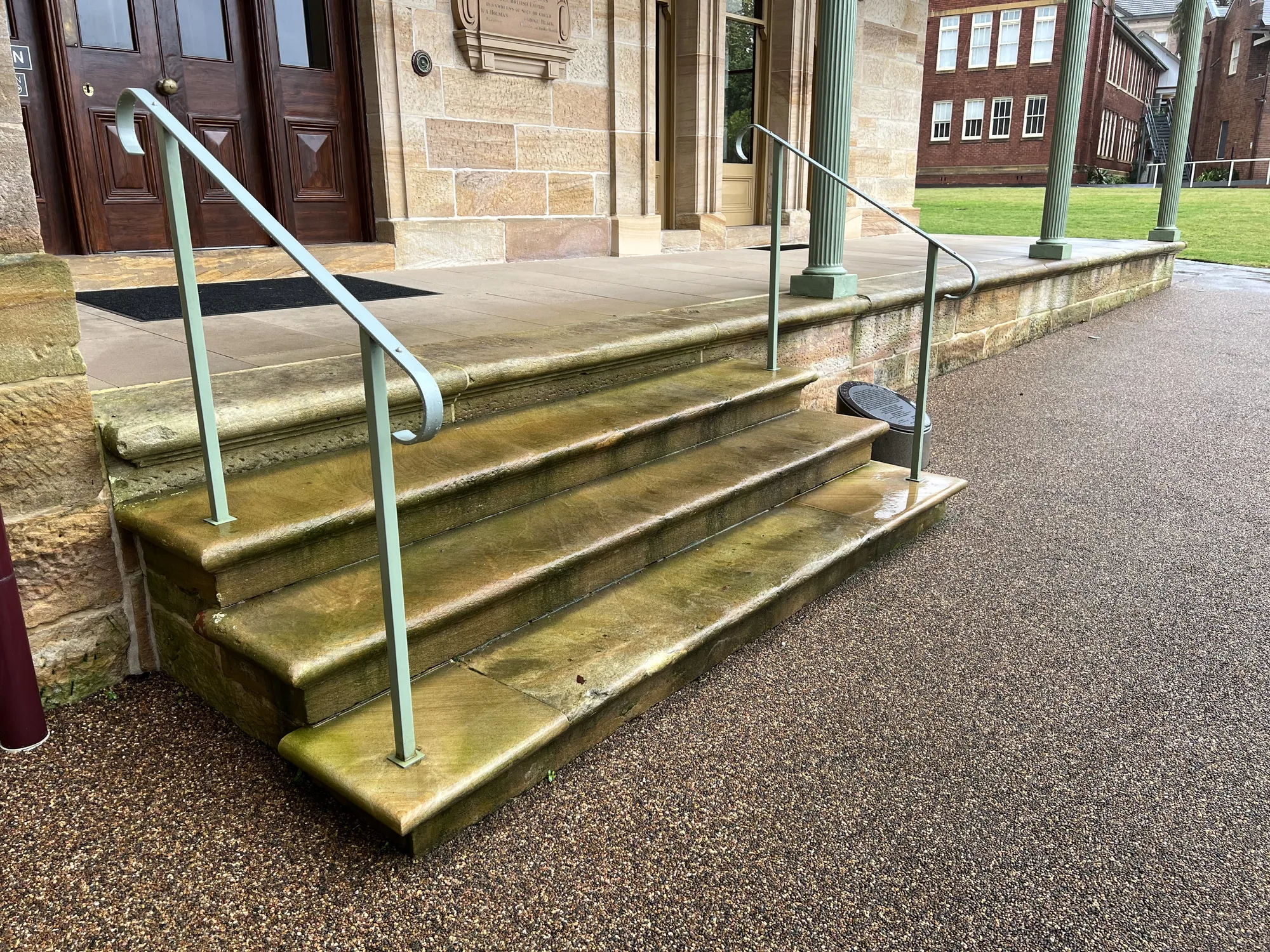

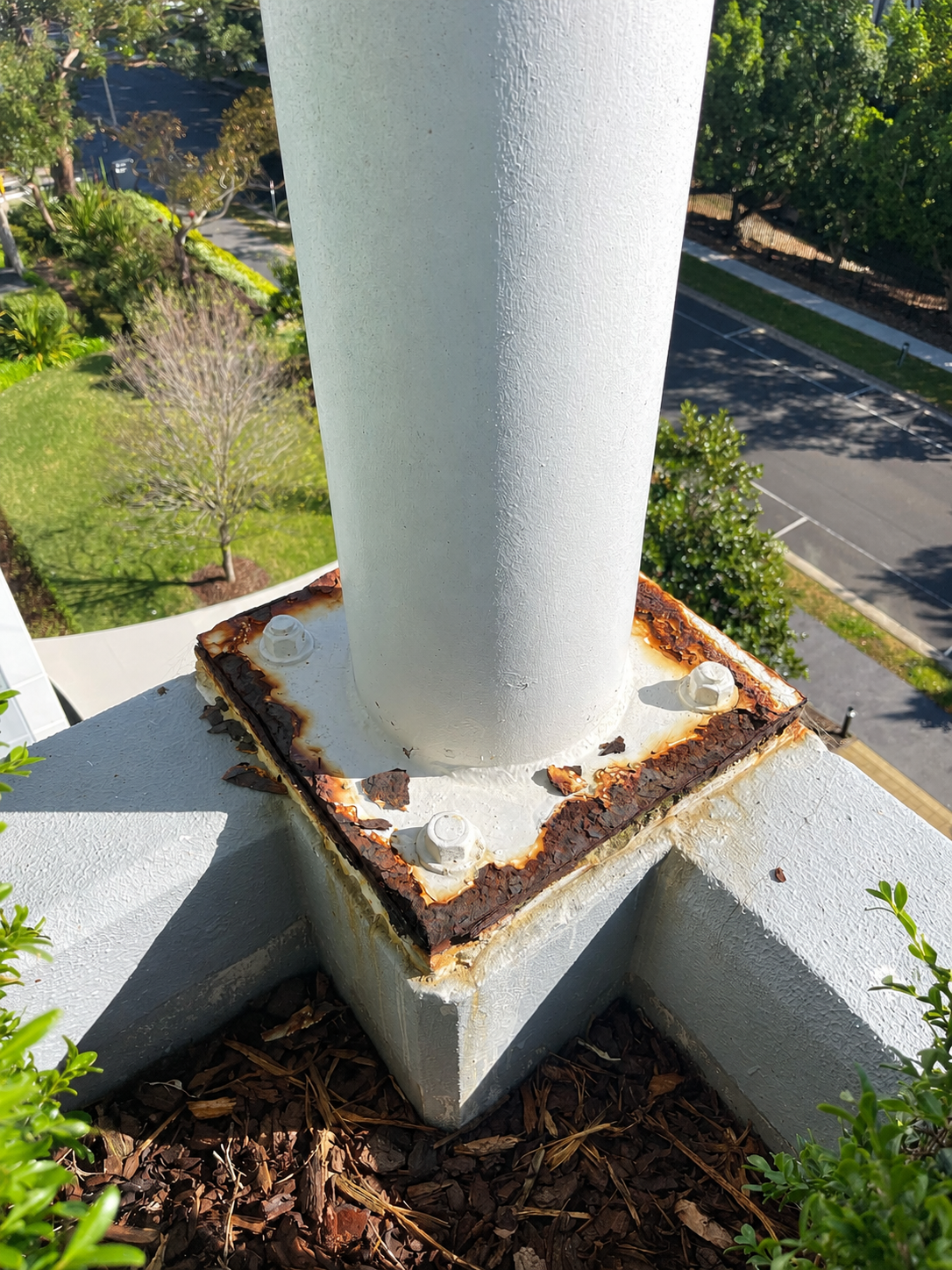
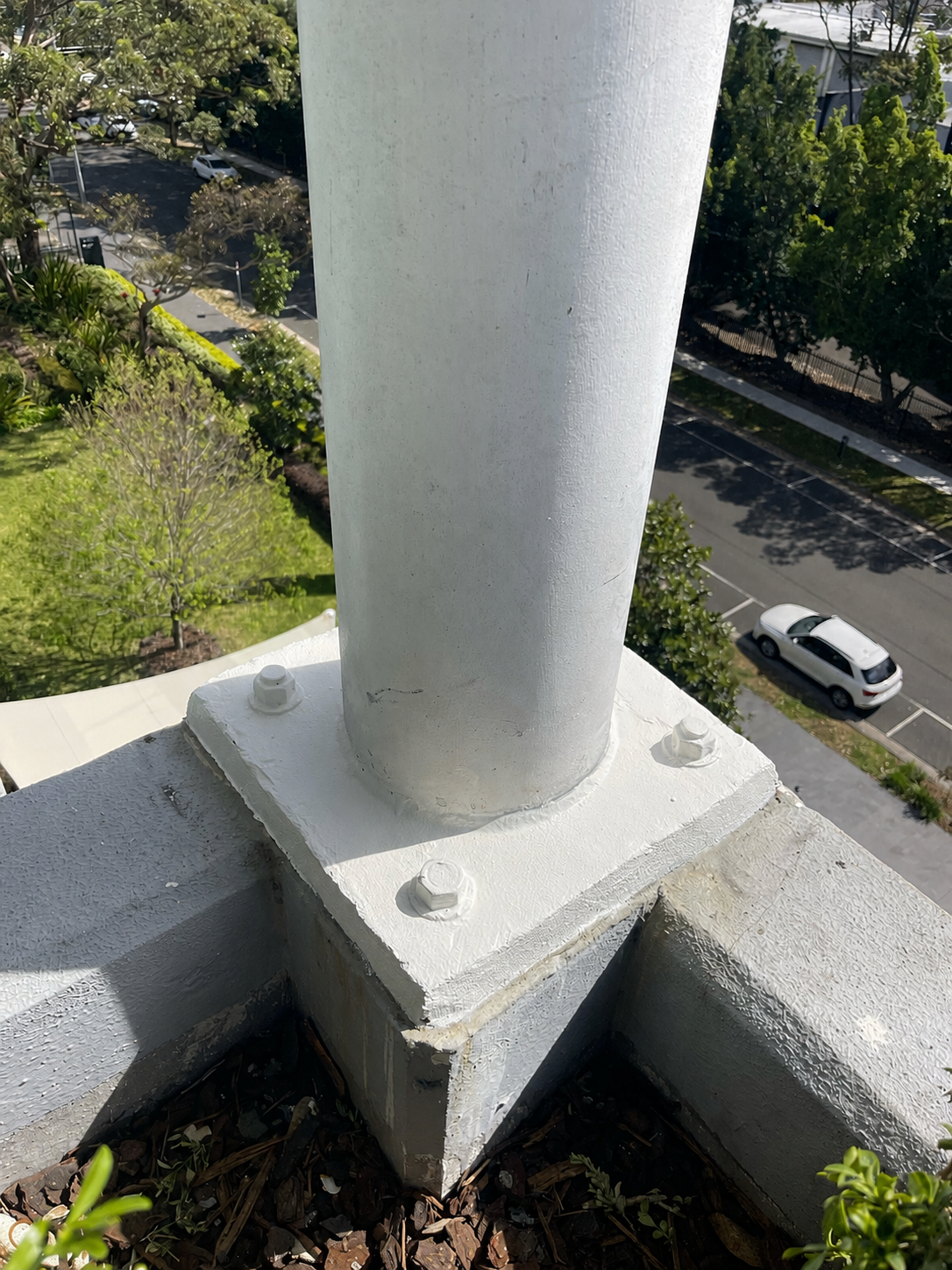
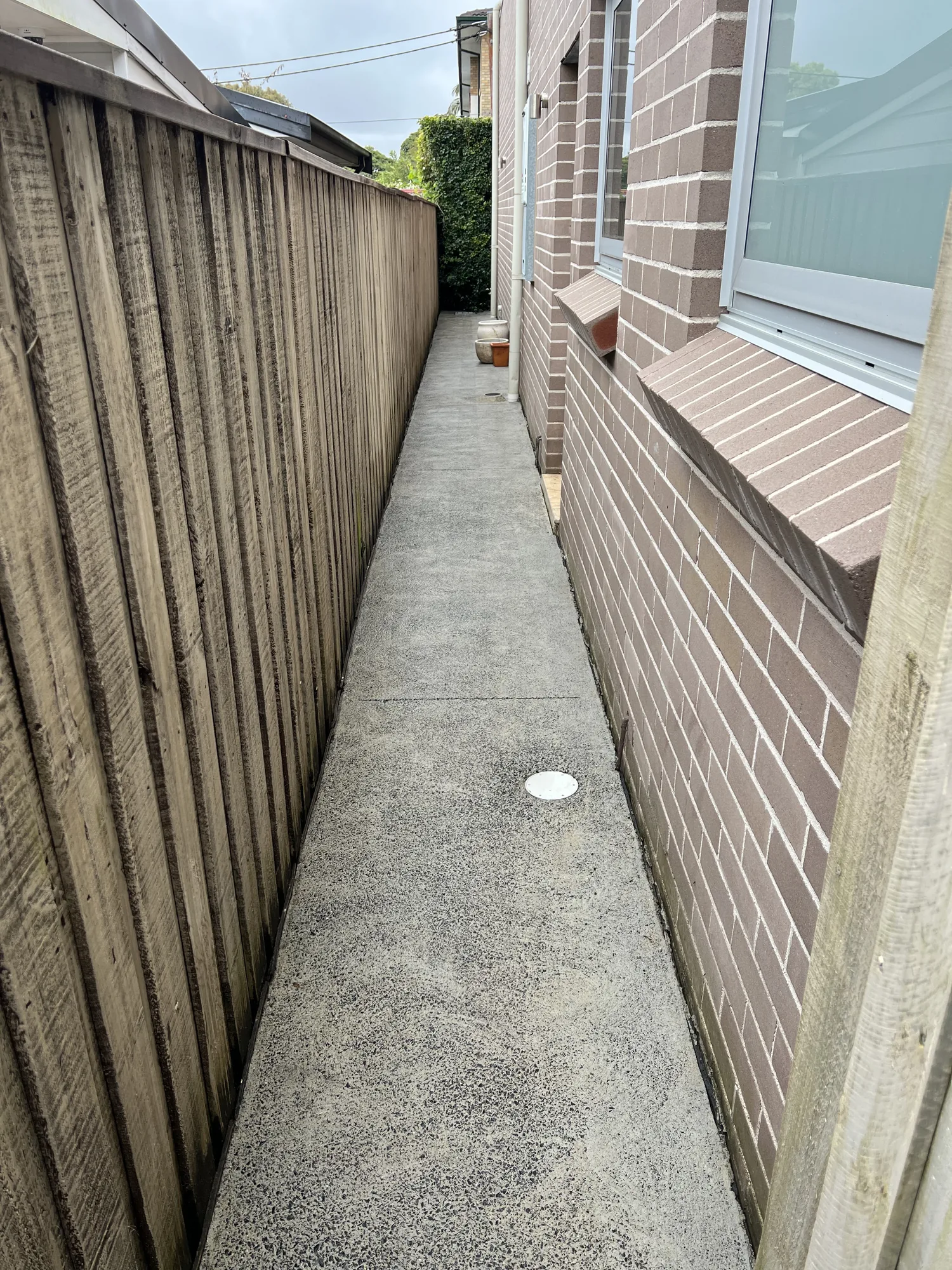
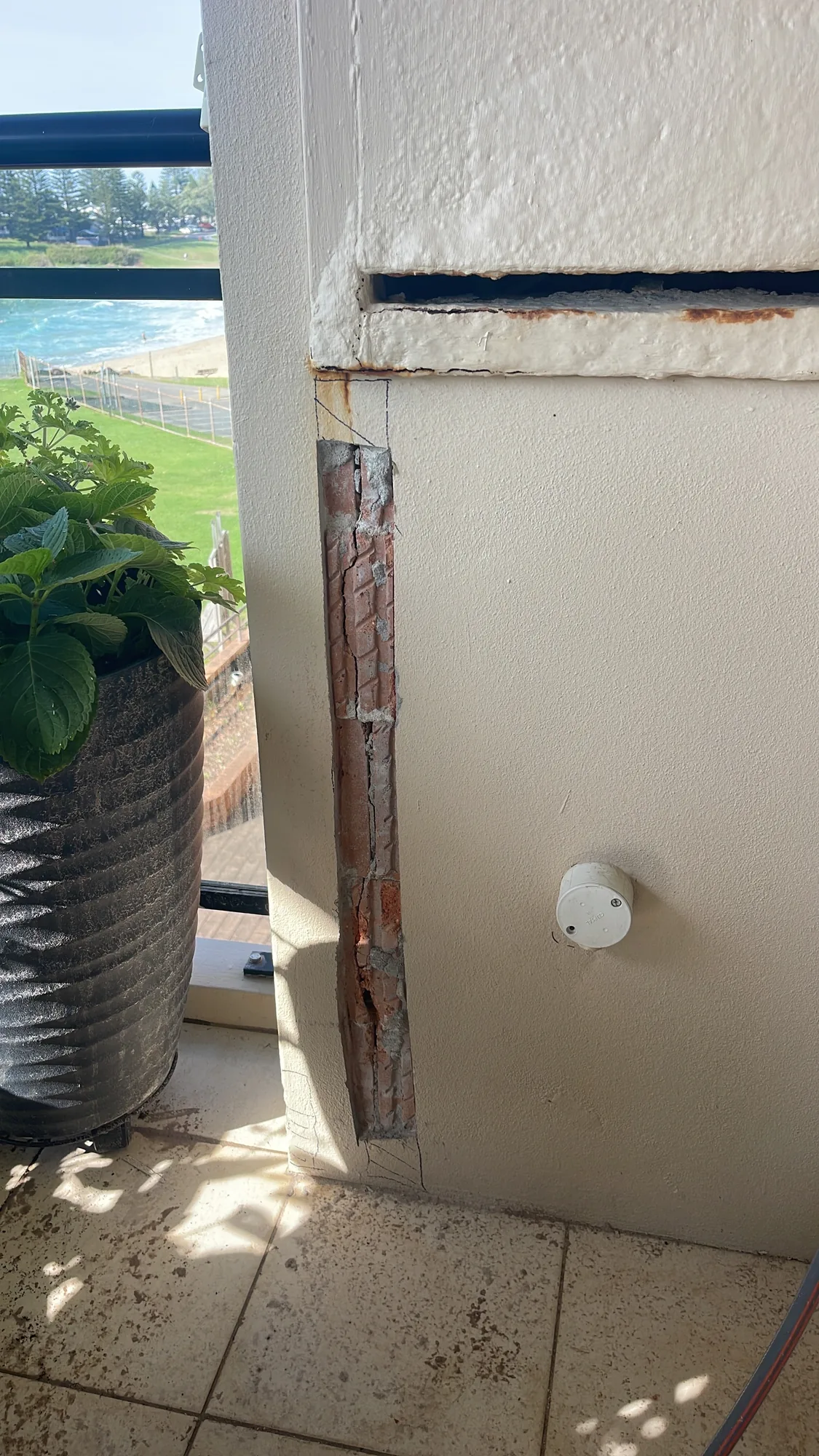
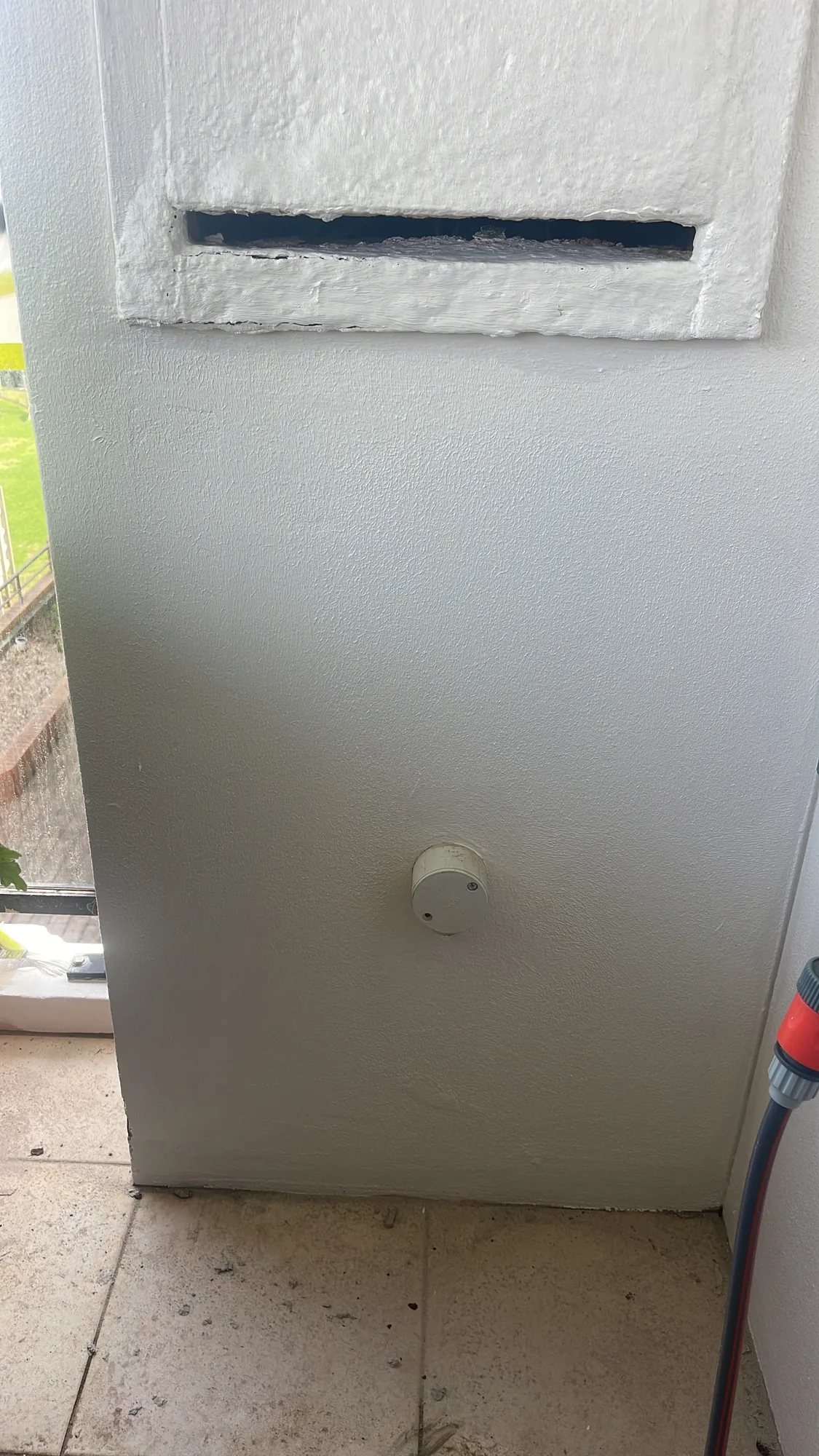













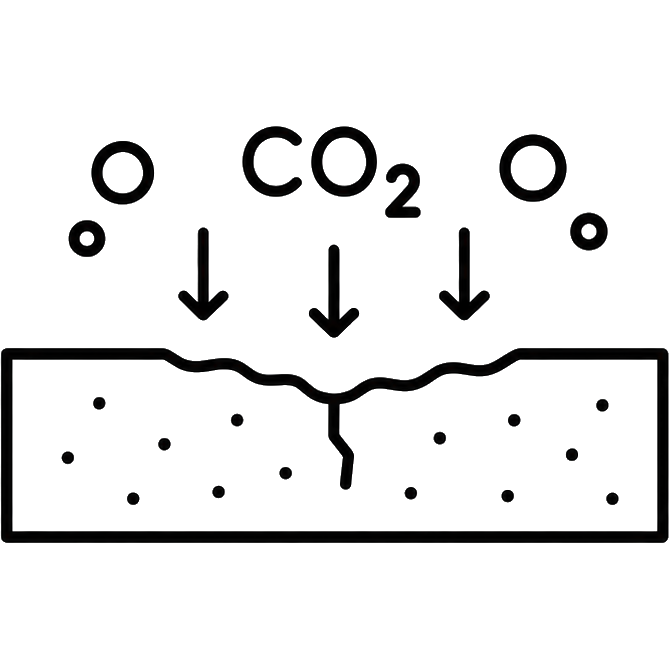
Concrete cancer occurs when moisture and CO₂ penetrate the concrete and reach the steel reinforcement. The steel corrodes, expands and fractures the concrete from within. It is most common in buildings over 25 years old, particularly in coastal environments where chlorides accelerate the process.
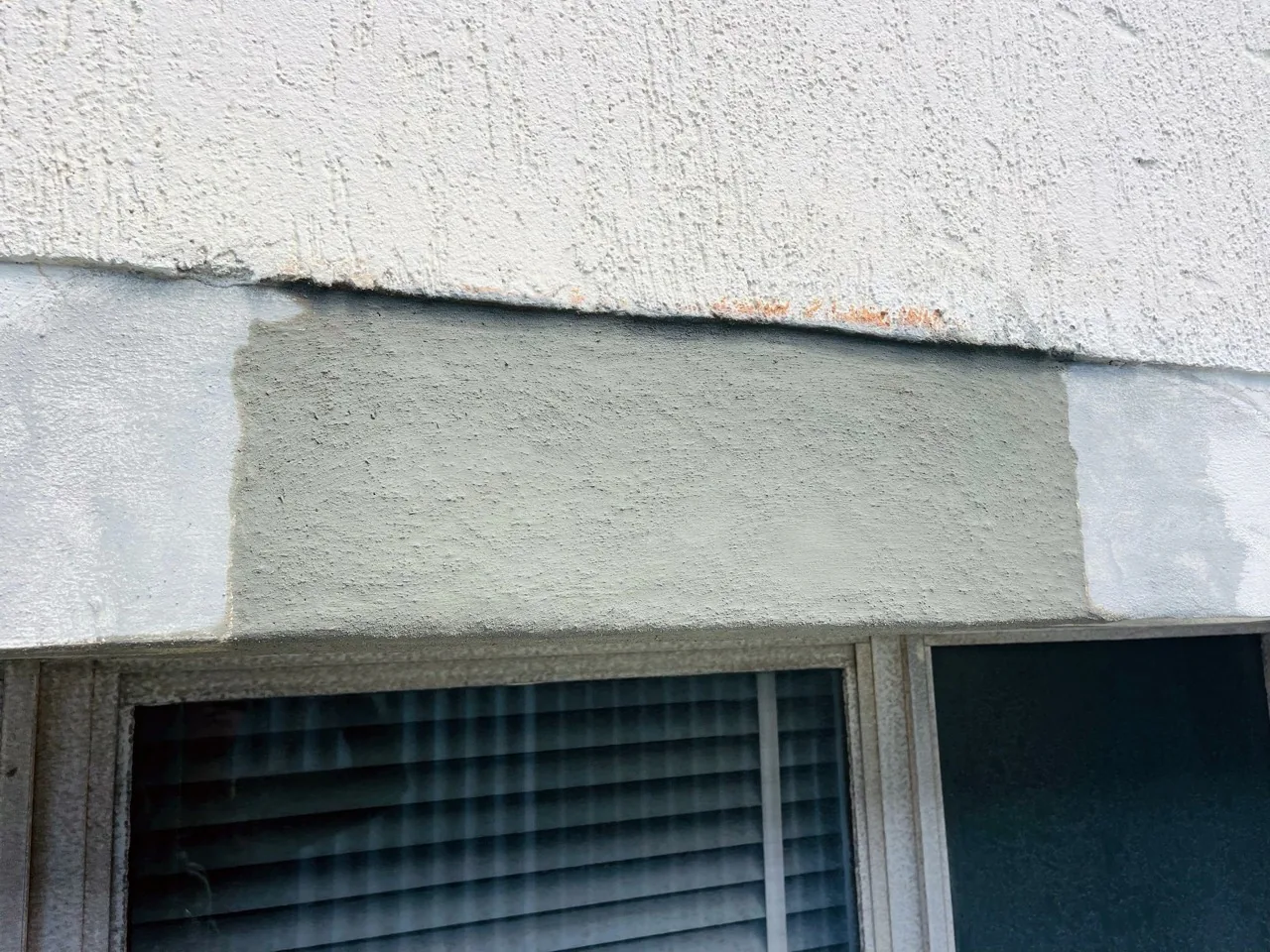
When done correctly — with proper break-out, rebar treatment, correct mortar and a protective coating — remedial repairs are designed to last the life of the building. Shortcuts at any stage shorten that lifespan significantly.
We work alongside structural engineers where required and can coordinate engineer inspection and sign-off as part of the project scope. For strata buildings requiring formal certification, we can advise on the appropriate process.
Yes. Building owners and strata committees have a duty of care to maintain the structural integrity of common property. Deferred repairs that result in injury or further damage can create significant legal liability.
We use polymer-modified cementitious repair mortars and anti-carbonation protective coatings from leading manufacturers. Products are selected to match the substrate condition, exposure level and engineering requirements of each specific repair.
The most visible signs are rust staining on external surfaces, cracking or spalling concrete, and pieces of concrete falling from soffits, balconies or beams. In early stages it is invisible — which is why regular inspection is important. An assessment will tell you exactly what's present and how serious it is.
Yes. We plan all works around building occupancy and take safety precautions to protect residents below any active repair areas. Falling hazards are contained and managed throughout.
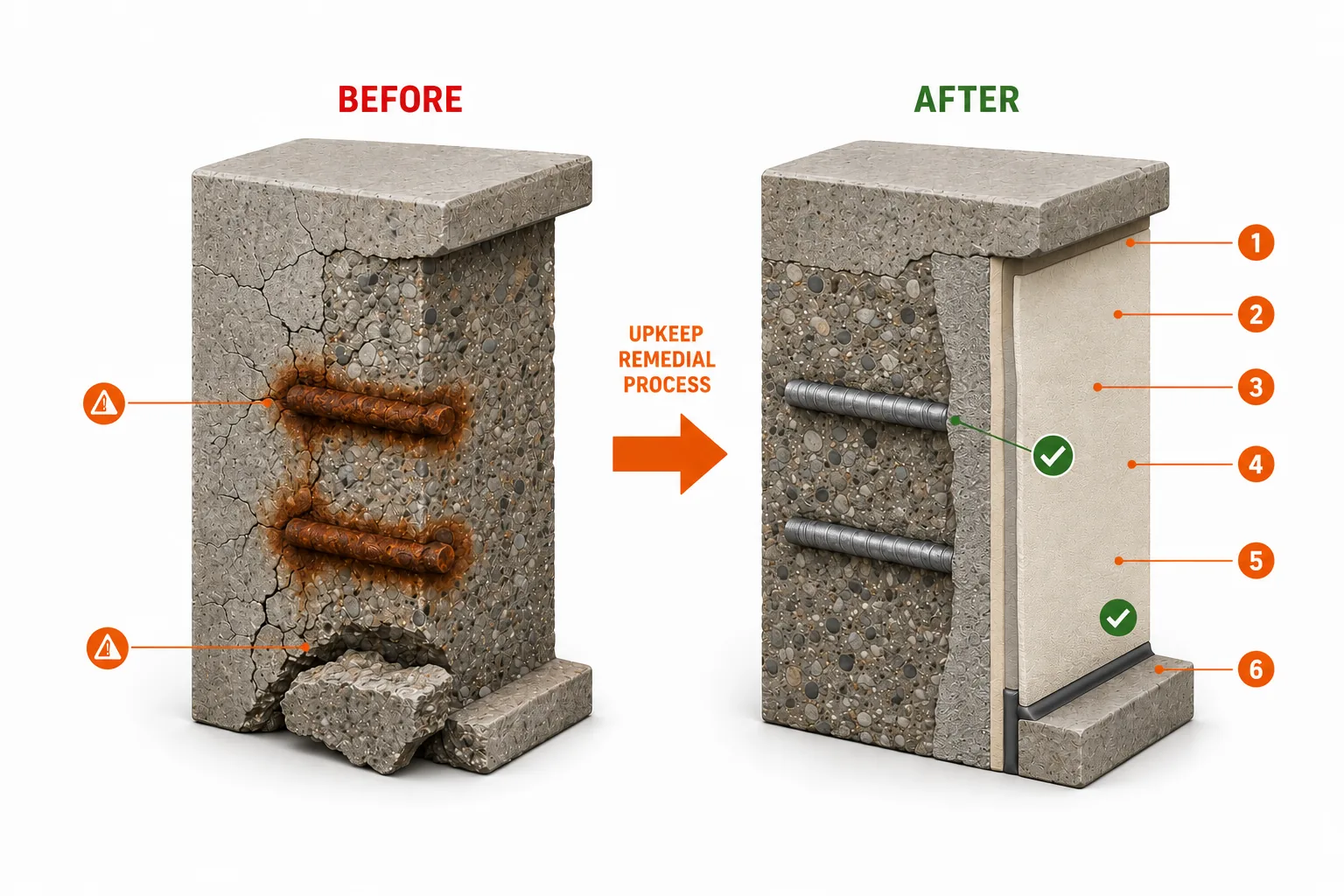
Patching without addressing the underlying corrosion is a temporary fix — the problem continues beneath the patch. Full remedial treatment removes all compromised material, treats the rebar, and applies the correct repair system and protective coating. This is the only approach that actually stops the problem.
The key is the protective coating applied over the repair. An anti-carbonation barrier prevents CO₂ and chlorides from re-penetrating the concrete and reaching the steel. Combined with regular inspection, this gives the building long-term protection.
Our team holds IRATA and SPRAT rope access qualifications, public liability and workers compensation insurance, First Aid, Police Checks, Working with Children, Height Safety System Installation and Testing, EWP over 11m, Asbestos Awareness, Confined Spaces, and Painting and Decorating trade qualifications. Every job is staffed with the right people for the scope of work.